Myth Busting
Why You Should Stop 'Seasoning' Your Cutting Board With Mineral Oil
Many home cooks believe mineral oil protects wooden cutting boards, but food science reveals it's ineffective and potentially unsafe. Learn why traditional 'seasoning' methods fail and discover better alternatives that actually preserve your board while keeping your food safe.
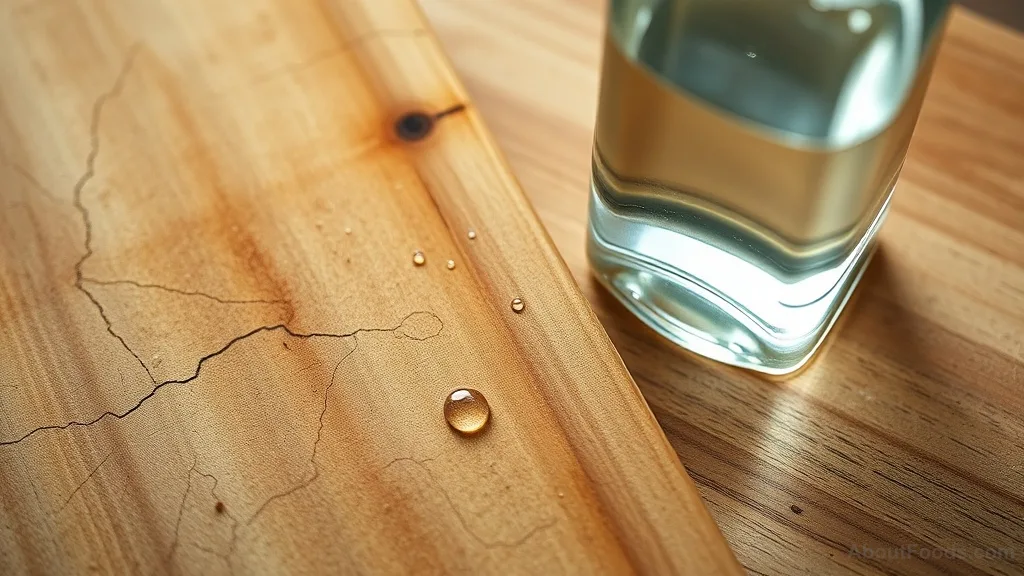
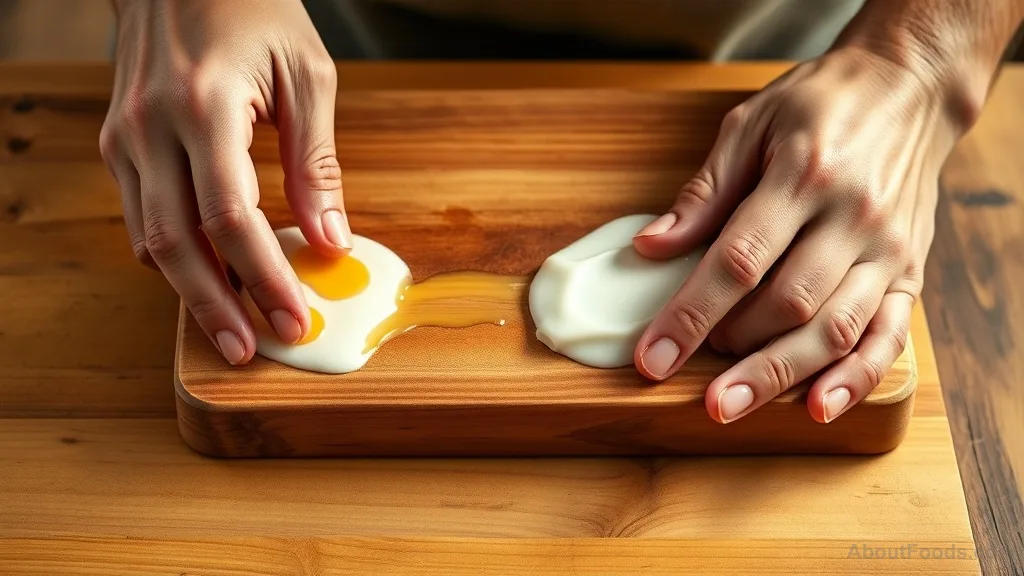
The Comforting Myth of Mineral Oil
In my grandmother's kitchen in Hanoi, the wooden cutting board was more than a tool—it was a family member. Every month, she would lovingly rub it with whatever oil she had on hand, sometimes coconut, sometimes peanut, her hands moving in slow, circular motions that smelled of patience and care. Today, many home cooks have adopted a similar ritual with mineral oil, believing they're protecting their boards as my grandmother protected hers. But here's the gentle truth: mineral oil doesn't work the way we think it does. It's like trying to quench thirst with a mirage—it looks promising but leaves you parched.
What Mineral Oil Actually Does (And Doesn't Do)
Mineral oil is a petroleum byproduct that's been refined to be food-safe, but 'food-safe' doesn't mean 'board-effective.' When you apply mineral oil to wood, it creates a temporary surface sheen that makes the board look nourished. However, wood fibers are like tiny straws—they need to drink up moisture to stay flexible and strong. Mineral oil molecules are too large to penetrate these microscopic pores effectively. Instead, they sit on the surface, creating a barrier that can actually prevent proper moisture exchange.
- Surface-level protection only: Mineral oil doesn't penetrate deep wood fibers
- Temporary effect: Evaporates or washes away quickly with cleaning
- No nutritional value: Wood needs nourishing oils
- not inert barriers
- Can trap moisture: Creates a seal that prevents proper drying
The Science of Wood Protection
Wood is a living material even after it's been cut and shaped. Its cellular structure contains microscopic tubes called lumens that transport water when the tree is alive. In your cutting board, these same structures need to maintain some moisture to prevent cracking and warping. Effective board oils work through capillary action—they're thin enough to travel through these tiny channels and coat the interior surfaces. Mineral oil, with its large hydrocarbon chains, simply can't make this journey effectively.
| Oil Type | Molecular Size | Penetration Depth | Protection Duration |
|---|---|---|---|
| Mineral Oil | Large | Surface only | 1-2 weeks |
| Walnut Oil | Medium | Moderate | 3-4 weeks |
| Coconut Oil | Small | Deep | 4-6 weeks |
| Beeswax Blend | Variable | Deep + Surface | 6-8 weeks |
Safety Concerns You Might Not Have Considered
Beyond being ineffective, mineral oil presents subtle safety issues. Because it sits on the surface, it can create a slightly slippery film that increases the risk of knife slips. More importantly, that surface layer can trap food particles and moisture against the wood, creating ideal conditions for bacterial growth. Proper board maintenance should create an environment where the wood itself is protected from within, not just coated on the outside.
Better Alternatives That Actually Work
The good news is that nature provides perfect solutions. Just as my grandmother reached for coconut oil in her kitchen, you can use food-grade oils that nourish wood from the inside out. These oils contain fatty acids that bond with wood fibers, creating flexible, water-resistant protection that lasts. When combined with natural waxes, they create a durable finish that protects both the surface and the interior structure.
How to Properly Treat Your Cutting Board
Treating a cutting board properly is a simple ritual that takes less time than you might think. The key is consistency and using the right materials. Here's a method that would make my grandmother nod in approval:.
- Clean thoroughly with mild soap and warm water
- Dry completely—overnight is ideal
- Apply your chosen oil/wax blend generously
- Let it soak for 15-20 minutes
- Wipe off excess with a clean cloth
- Let cure for 24 hours before use
This process should be repeated monthly for heavily used boards, or whenever the wood looks dry and thirsty. You'll know it's working when the wood develops a warm, healthy glow rather than just a surface shine.
Common Mistakes and How to Avoid Them
Even with the right materials, it's easy to make small errors that reduce effectiveness. The most common mistake is applying treatment to a damp board—this traps moisture inside and can lead to mold. Another is using too much product, thinking more is better. In reality, wood can only absorb so much at once; excess just sits on the surface and becomes gummy.
FAQs: Your Cutting Board Questions Answered
Isn't mineral oil recommended by many woodworking experts?
Some woodworkers recommend mineral oil for decorative pieces or utensils that won't see heavy use or cleaning. For cutting boards that get washed regularly and come into contact with food, food-grade plant oils with proper penetration are far superior.
How often should I really oil my cutting board?
With proper plant-based oils, once a month is sufficient for daily use. If your board starts looking dry or feels rough to the touch, it's time for treatment. A well-maintained board will have a smooth, slightly warm appearance.
Can I use the same oil I cook with?
Some cooking oils work well (like coconut or walnut), but avoid oils that go rancid quickly like olive or flaxseed oil. These can develop unpleasant odors and affect food taste.
What about commercial board creams and conditioners?
Look for products with simple, natural ingredients. Avoid anything with synthetic additives or preservatives. The best commercial products will list food-grade plant oils and natural waxes as primary ingredients.
How do I know if my board is beyond saving?
Deep cracks that collect food particles, warping that prevents stable cutting, or mold that won't clean out are signs it's time for replacement. With proper care, a good wooden board can last decades.
Rate this article
No ratings yet. Be the first to rate it.

Written by
Linh Tran
Specialises in Vietnamese cuisineLinh Tran makes ca kho (caramelized fish) in a clay pot that has been in her family for 60 years.
Describe yourself in three words: Nostalgic, gentle, caramel smell.