Myth Busting
Why 'Taste as You Go' Is the Only Unbreakable Rule in Cooking
Tasting throughout cooking isn't just about flavor—it's a scientific practice that prevents irreversible mistakes and builds intuitive seasoning skills. This article explores why this simple habit is backed by food science and cultural wisdom, helping home cooks achieve consistent results.
The Myth of Perfect Recipes
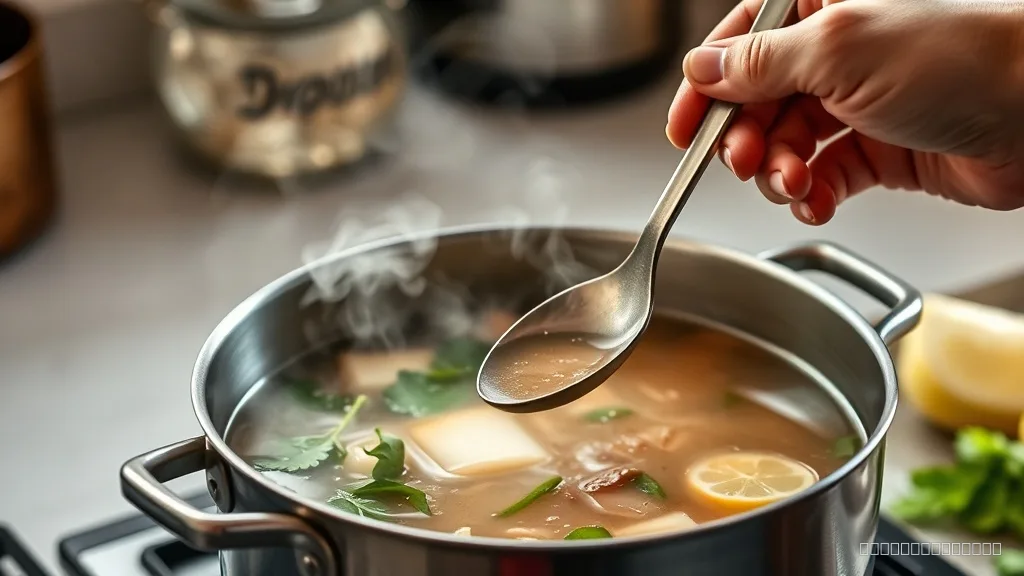
When I was a child in Hanoi, watching my grandmother cook, I never saw her measure anything. She would dip a spoon into simmering broths, her eyes closing slightly as she considered the flavor. 'Recipes are maps,' she would say, 'but your tongue is the compass.' Many home cooks believe that following recipes exactly will guarantee perfect results, but this is where the first myth begins. Ingredients vary—tomatoes differ in acidity, carrots in sweetness, even salt brands vary in intensity. Tasting as you go isn't just a suggestion; it's the scientific method applied to your kitchen.
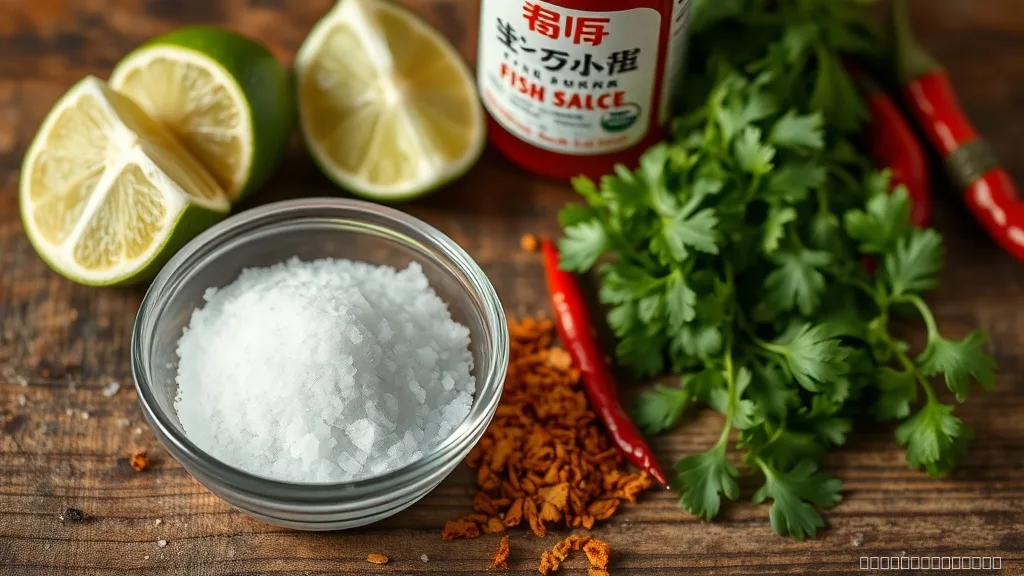
Food science shows us that flavor development happens in stages. When you add salt at the beginning of cooking, it penetrates ingredients differently than when added at the end. Acids like vinegar or lime juice can mellow with heat, while herbs lose their volatile oils if cooked too long. By tasting throughout, you're not just checking for salt—you're monitoring chemical transformations that affect texture, aroma, and taste. This practice turns cooking from a rigid procedure into a responsive dialogue with your food.
The Science of Irreversible Mistakes
Here's the unbreakable truth: some cooking errors can't be fixed. Once you've overseasoned a soup with salt, no amount of potatoes or extra liquid will truly balance it—you've altered the dish's osmotic balance permanently. When proteins overcook, their structure denatures irreversibly; no technique can restore their tenderness. Tasting as you go acts as an early warning system. It allows you to catch imbalances while they're still correctable.
- Salt absorption: Ingredients absorb salt at different rates. Leafy greens take it up quickly, while root vegetables need time. Tasting helps you add gradually.
- Acid evolution: Citrus juice brightens when fresh but cooks out. Vinegar mellows with heat. Regular tasting lets you adjust at the right moment.
- Umami development: Soy sauce, fish sauce, and tomatoes release glutamates over time. Tasting helps you build layers without overwhelming.
- Bitterness management: Some vegetables like eggplant become bitter if undercooked. Early tasting prevents serving unpleasant flavors.
Think of tasting as quality control in a food laboratory. In professional kitchens, chefs taste constantly because they understand that cooking is chemistry in motion. The same principle applies at home—your kitchen is your lab, and your palate is the most precise instrument you own.
Building Flavor Intuition
My grandmother never used the word 'umami,' but she understood it in her bones. She would add a splash of fish sauce to vegetable stir-fries, taste, then add a pinch of sugar. 'Balance,' she would murmur, as if speaking to the ingredients themselves. This is what tasting teaches: not just to follow, but to understand. When you taste repeatedly, you begin to recognize how flavors evolve. You learn that salt enhances sweetness, acid cuts through fat, and bitterness needs sweet or salty counterpoints.
This intuition becomes your most valuable kitchen skill. Instead of relying on measurements, you develop a sensory memory—you know how a properly seasoned broth should feel on your tongue, how a sauce should cling to a spoon. This is the gentle wisdom passed down through generations, now supported by our understanding of taste receptors and flavor chemistry.
Practical Tasting Techniques
Tasting effectively requires more than just sipping from a spoon. Here's how to make it a precise practice. First, use a clean spoon each time to avoid cross-contamination. Taste at different temperatures—some flavors are more pronounced when hot, others when cooled slightly. Pay attention to the sequence of tastes: sweetness hits first, then saltiness, sourness, bitterness, and umami. Notice the aftertaste, which reveals hidden imbalances.
| Cooking Stage | What to Check For | Common Adjustments |
|---|---|---|
| After sautéing aromatics | Foundation flavors, oil absorption | More salt if bland, adjust heat if burning |
| When liquids are added | Broth balance, seasoning distribution | Salt, acid, umami sources |
| Mid-simmer | Flavor development, reduction effects | Herbs, spices, sweetness if needed |
| Near completion | Final balance, texture integration | Last-minute acid, fresh herbs, finishing salt |
| After resting | Flavor settling, temperature effects | Usually minor tweaks only |
Remember to cleanse your palate between tastes with water or plain bread. And don't just taste the main component—if you're making a stew, taste the vegetables separately from the broth, as they may season differently. This systematic approach transforms tasting from a casual check into a diagnostic tool.
Common Mistakes and How to Avoid Them
Even experienced cooks can fall into tasting traps. The most common error is tasting only at the end, when it's too late to make meaningful adjustments. Another is overseasoning in response to a single taste—remember that flavors need time to marry. Adding too much salt because the broth tastes flat? Wait five minutes, taste again. The salt may have integrated, revealing the true balance.
- Palate fatigue: Tasting too frequently without cleansing can dull your senses. Space out tastings and use palate cleansers.
- Temperature deception: Very hot food can mask sweetness and enhance saltiness. Let it cool slightly for accurate assessment.
- Component isolation: Taste elements separately. That bland chicken might be perfect once paired with the seasoned sauce.
- Recipe blindness: Don't let measurements override your senses. If a recipe says '1 teaspoon salt' but your broth needs more, trust your tongue.
My grandmother had a saying: 'The recipe is the teacher, but the tongue is the master.' She understood that written instructions provide guidance, but sensory feedback provides truth. This is especially important with variable ingredients—today's tomatoes may be sweeter than yesterday's, requiring less sugar in your sauce.
The Cultural Wisdom Behind Tasting
In Vietnamese cooking, as in many culinary traditions, tasting is woven into the cultural fabric. We have a concept called 'nêm nếm'—the art of gradual seasoning. It's not just technique; it's philosophy. The cook engages in a conversation with the food, adjusting and responding rather than imposing. This approach respects ingredients' individuality and honors the cook's developing intuition.
Science explains why this works: our taste buds adapt to constant stimulation, so gradual seasoning allows for more precise perception. Adding all seasoning at once overwhelms the senses, making proper balance harder to achieve. By tasting and adjusting in stages, you work with your biology rather than against it. This is why professional chefs taste constantly—they're not being fussy; they're applying biochemical principles to create consistent excellence.
This gentle, responsive approach creates food that tastes alive. It's the difference between a dish that follows instructions and one that sings with balanced flavors. Like the caramel notes in my grandmother's kitchen—patiently developed, carefully monitored—good cooking emerges from attentive engagement, not rigid formulas.
FAQ: Tasting as You Go
How often should I taste while cooking?
Taste at every major stage: after sautéing aromatics, when adding liquids, midway through cooking, and before serving. For long-cooked dishes, taste every 20-30 minutes to monitor development.
What if I'm cooking for others and don't want to double-dip?
Use a clean spoon each time, or pour a small amount into a tasting bowl. Many cooks keep a bowl of spoons specifically for tasting to avoid cross-contamination.
Can I rely on measurements instead of tasting?
Measurements provide a starting point, but ingredients vary too much for complete reliance. A teaspoon of salt from one brand may be denser than another. Your palate is the ultimate calibrator.
How do I develop a better sense of taste?
Practice mindful tasting: pay attention to individual flavors, try identifying ingredients blind, and taste foods at different temperatures. Your palate improves with focused attention, much like any skill.
What's the biggest mistake beginners make with tasting?
Tasting only at the end when corrections are limited. Start tasting early and often—it's easier to add than subtract in cooking.
Rate this article
4.1 out of 5 from 7 ratings
Written by
Linh Tran
Specialises in Vietnamese cuisineLinh Tran makes ca kho (caramelized fish) in a clay pot that has been in her family for 60 years.
Describe yourself in three words: Nostalgic, gentle, caramel smell.