Myth Busting
The Myth of 'Wok Hei' at Home — Can You Really Recreate It?
Let's get loud about the truth: achieving true 'wok hei'—that smoky, charred, breath-of-fire flavor—in a home kitchen is mostly impossible. But understanding the science behind it can help you get closer than ever before. This article breaks down the heat, chemistry, and techniques that separate restaurant woks from your stovetop.
What Exactly Is Wok Hei? (And Why Everyone's Obsessed)
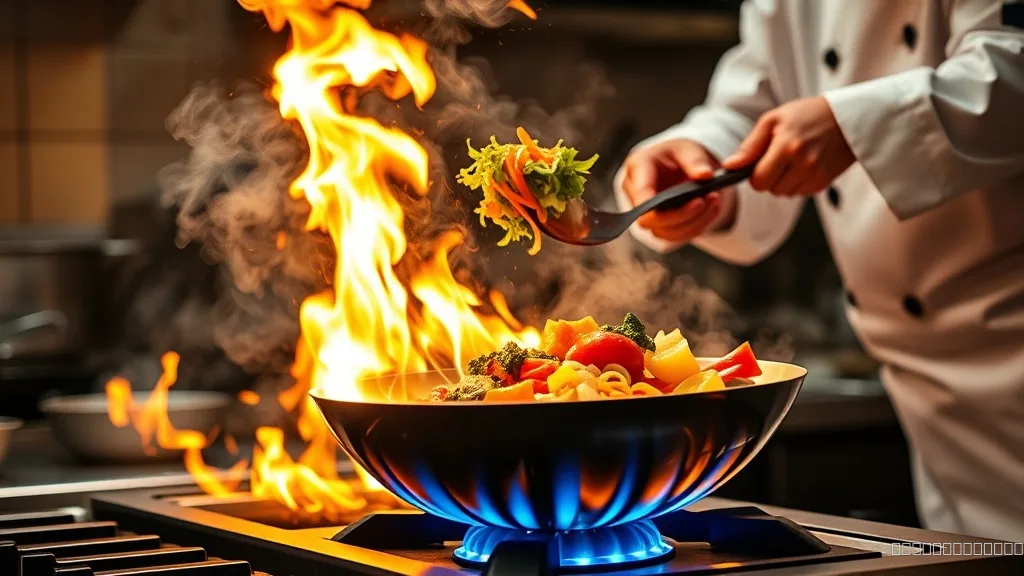
Okay, listen up, sauce lovers! Wok hei—literally 'breath of the wok'—is that magical, smoky, slightly charred flavor that makes Chinese restaurant stir-fries taste like they've been kissed by fire. It's not just one thing; it's a symphony of chemical reactions happening at temperatures that would make your home stove weep. When chefs talk about wok hei, they're describing the combination of: rapid Maillard browning, caramelization, controlled burning of oils and sauces, and that distinctive smoky aroma that comes from ingredients literally vaporizing on the wok's surface. It's the difference between 'meh' and 'MORE!'.
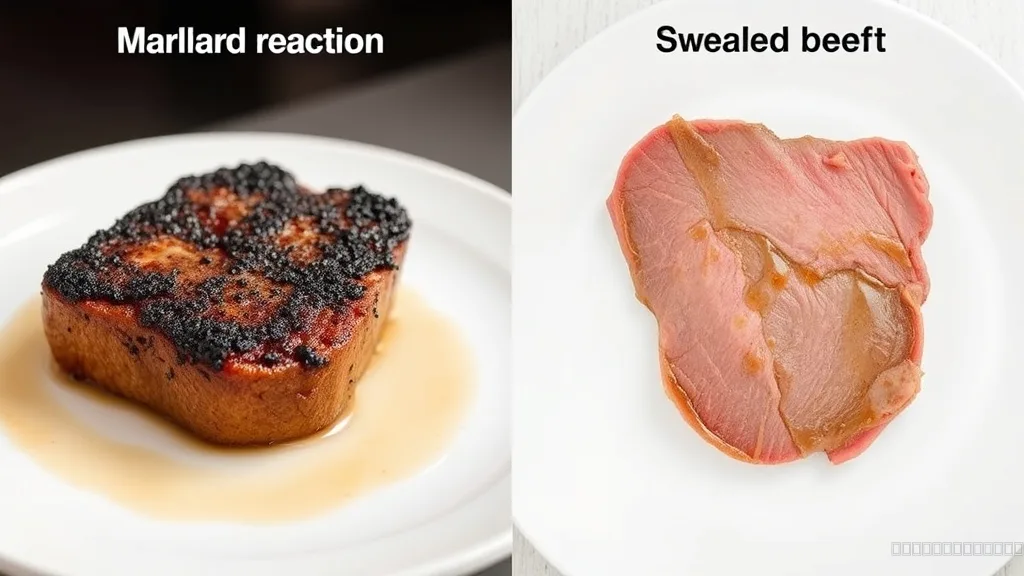
- **The Maillard Reaction**: Proteins and sugars browning at high heat (we're talking 300°F+), creating complex flavor compounds
- **Caramelization**: Sugars breaking down and developing those deep, sweet notes
- **Pyrolysis**: Controlled burning of oils and food particles that creates smoky aromas
- **Rapid Cooking**: Ingredients spend seconds, not minutes, in the wok—preserving texture while developing flavor
The Heat Problem: Why Your Stove Can't Compete
Here's the uncomfortable truth, my friends: your home stove is basically a gentle breeze compared to the hurricane of heat in a professional kitchen. Most home gas burners output 15,000-25,000 BTUs. A decent restaurant wok burner? Try 100,000-200,000 BTUs. That's not just 'a little more heat'—that's a completely different universe of thermal energy. This massive heat difference affects everything: how quickly the wok heats up, how well it holds temperature when you add ingredients, and how effectively it creates those signature wok hei reactions.
| Heat Source | Typical BTU Output | Time to Heat Wok | Temperature Recovery |
|---|---|---|---|
| Home Gas Stove | 15,000-25,000 BTU | 3-5 minutes | Slow (loses heat quickly) |
| Home Electric/Induction | Equivalent to 15,000-20,000 BTU | 2-4 minutes | Moderate |
| Restaurant Wok Burner | 100,000-200,000 BTU | 30-60 seconds | Instant (maintains heat) |
When you drop ingredients into a professionally heated wok, the temperature barely dips. At home? Your wok temperature plummets, ingredients start steaming instead of searing, and you end up with soggy vegetables swimming in their own juices. No wok hei there—just disappointment.
The Equipment Gap: It's Not Just About BTUs
Even if you somehow magically got a 100,000 BTU burner in your kitchen (please don't—your fire department will hate you), you'd still face equipment limitations. Professional wok stations have concave burners that cradle the wok, directing flames up the sides for even heating. Home burners are flat. Professional kitchens use thin, carbon steel woks that heat rapidly and evenly; many home cooks use thicker materials that hold heat differently. And let's talk about ventilation: restaurants have industrial hoods that can handle the smoke from high-heat cooking. Your home range hood? Probably not up to the task.
The Science of What Actually Happens at High Heat
Let's get nerdy about the delicious chemistry! When oil hits a properly heated wok (around 400-500°F), several things happen simultaneously. First, the oil reaches its smoke point—different oils smoke at different temperatures, which is why peanut oil (450°F smoke point) works better than olive oil (375°F). This smoking isn't just for show; it creates compounds that contribute to that smoky flavor. Then comes the Maillard reaction: amino acids and reducing sugars in your food combine at these high temperatures, creating hundreds of new flavor compounds. This happens FAST—within seconds—which is why timing is everything.
Practical Tips: Getting as Close as Possible at Home
Okay, so true wok hei might be impossible at home—but that doesn't mean you should give up! With the right techniques, you can get closer than 99% of home cooks. First: PREHEAT LIKE CRAZY. Get your wok smoking hot before adding anything. I mean smoking. Second: work in small batches. Don't crowd the wok—that's the number one home cook mistake. Third: use the right oil (high smoke point) and pat your ingredients bone-dry. Fourth: consider a outdoor propane burner if you're serious (and have a safe space).
- **Maximize Your Heat**: Let your wok preheat for 5+ minutes on the highest setting
- **Batch Cooking**: Cook proteins and vegetables separately, then combine
- **The Smoking Point**: Wait until oil is lightly smoking before adding ingredients
- **Sauce Strategy**: Add liquids at the very end, tossing quickly to coat
- **The Torch Trick**: A kitchen torch can add controlled charring after cooking
Remember: you're not trying to recreate the exact restaurant experience. You're creating the best possible version with your equipment. And sometimes, that's even better—because it's yours.
Common Mistakes That Kill Wok Hei (Even Before You Start)
I've seen so many well-meaning home cooks sabotage their own stir-fries! Let's shout about the big ones so you can avoid them. First: USING A NON-STICK WOK. Just don't. Non-stick coatings can't handle the high heat needed for wok hei, and they prevent proper seasoning development. Second: ADDING GARLIC AND GINGER TOO EARLY. These burn in seconds at proper wok temperatures—add them last, or infuse the oil briefly and remove. Third: STIRRING TOO MUCH. Let ingredients sit for a moment to develop sear! Constant stirring = steaming.
FAQ: Your Wok Hei Questions, Answered Loudly
Can I get wok hei on an electric or induction stove?
It's even harder! Electric coils heat unevenly, and induction requires flat-bottomed woks that don't heat the sides properly. Gas is your best home option—the visible flame helps you gauge heat.
Is a carbon steel wok really necessary?
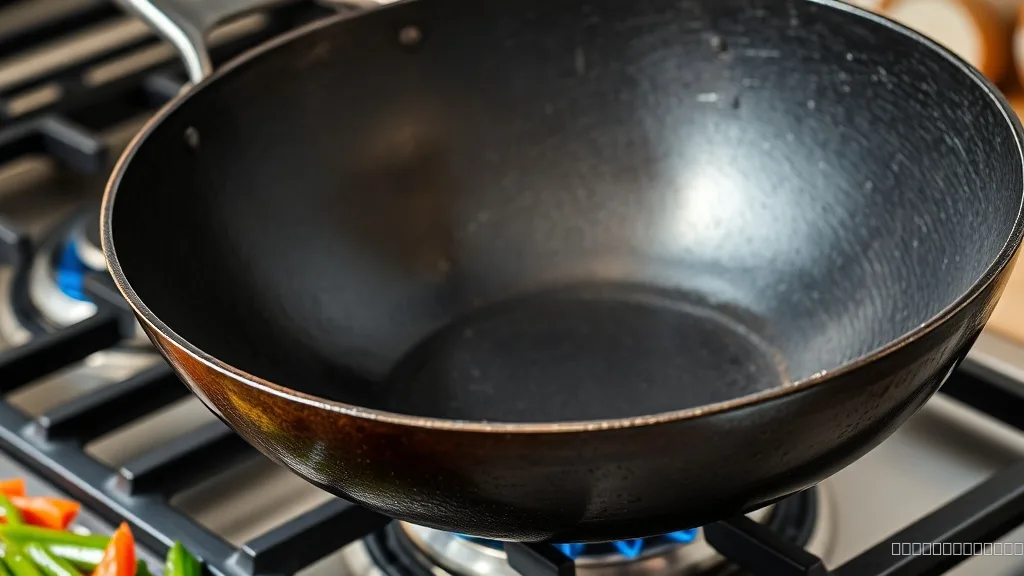
YES, loudly yes! Carbon steel heats quickly, develops non-stick seasoning, and is lightweight enough for tossing. Cast iron holds heat well but is too heavy; stainless steel doesn't develop seasoning properly.
What about those 'wok hei' flavor sprays or oils?
Most are gimmicks. Liquid smoke or smoked oils can add some smoky notes, but they don't recreate the complex chemistry of actual wok hei. Better to focus on proper technique.
Should I season my wok in the oven or on the stove?
Stove seasoning builds layers where you actually cook. Oven seasoning is good for initial coats, but regular stove maintenance creates the perfect cooking surface. Do both!
How do restaurants avoid setting off smoke alarms?
Industrial ventilation systems that move 10x more air than home hoods. At home, open windows, use fans, and accept that some smoke is part of the process (maybe disable alarms temporarily—safely!).
Rate this article
4.5 out of 5 from 13 ratings

Written by
Jian Qiao
Specialises in Chinese cuisineJian Liu is a hot pot evangelist. He owns 7 different dipping sauce bowls.
Describe yourself in three words: Extroverted, sauce-obsessed, loud.