Myth Busting
The Wooden Spoon Trick: Does It Really Stop Your Pasta from Boiling Over?
We investigate the age-old kitchen hack of placing a wooden spoon across a pot to prevent pasta water from boiling over. Discover the science behind foam formation, what actually works, and why your Nonna might have been onto something—just not for the reason you think.
Introduction: A Spoonful of Suspicion
Cara mia, if I had a euro for every time someone told me to lay a wooden spoon across my pasta pot to stop it from boiling over, I’d be sunning myself in Positano right now. This trick is as old as the hills in my nonna’s kitchen—handed down with the same solemnity as the family tomato sauce recipe. But here’s the thing: in my decades of cooking, I’ve seen more boil-overs with that spoon in place than without. So, what gives? Is it a miracle tool or just a piece of culinary folklore? Let’s roll up our sleeves and dig into the science, because in my book, a good myth deserves a proper busting—preferably with a side of al dente spaghetti.
The Science of Boiling Over: It’s All About the Foam
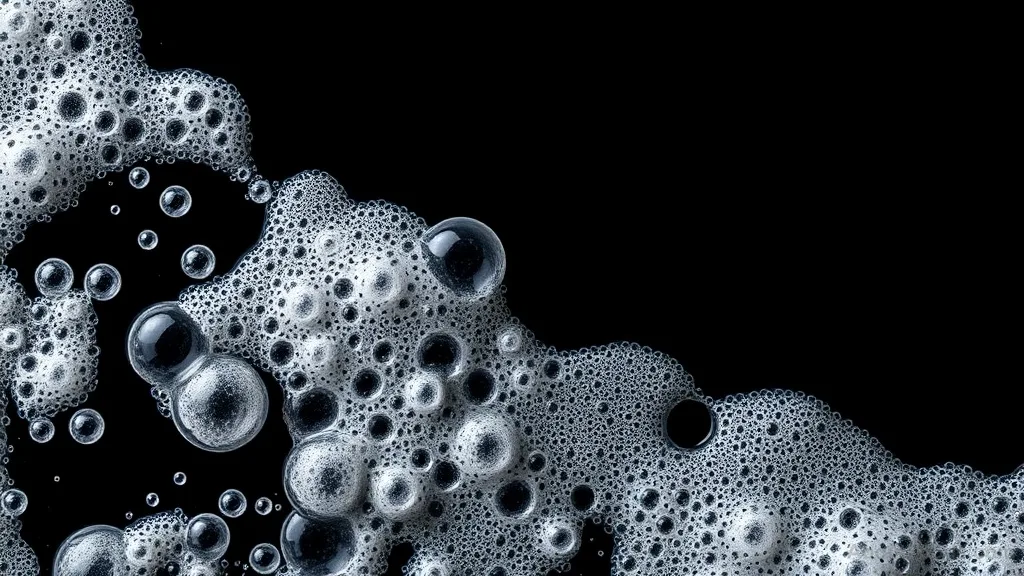
First, let’s talk about why pasta water tries to escape its pot in the first place. It’s not just water boiling—it’s water plus starch. When you cook pasta, starch molecules leach out into the water. These little guys are hydrophilic, meaning they love water, and they form a network that traps steam bubbles. This creates a stable foam on the surface. As more bubbles rise, the foam builds up. If it reaches the rim of the pot, gravity takes over, and you’ve got a starchy mess on your stovetop. The key players here are heat (which creates steam) and starch (which stabilizes the foam). No starch, no foam—just ask anyone who’s boiled plain water and watched it bubble without overflowing.
| Factor | Role | Effect on Boil-Over |
|---|---|---|
| Starch Content | Creates foam structure | Higher starch = more foam risk |
| Heat Level | Generates steam bubbles | High heat = faster bubble formation |
| Pot Size | Contains the foam | Small pot = quicker overflow |
| Water Volume | Dilutes starch | More water = less concentrated foam |
Testing the Wooden Spoon Theory: What Does It Actually Do?
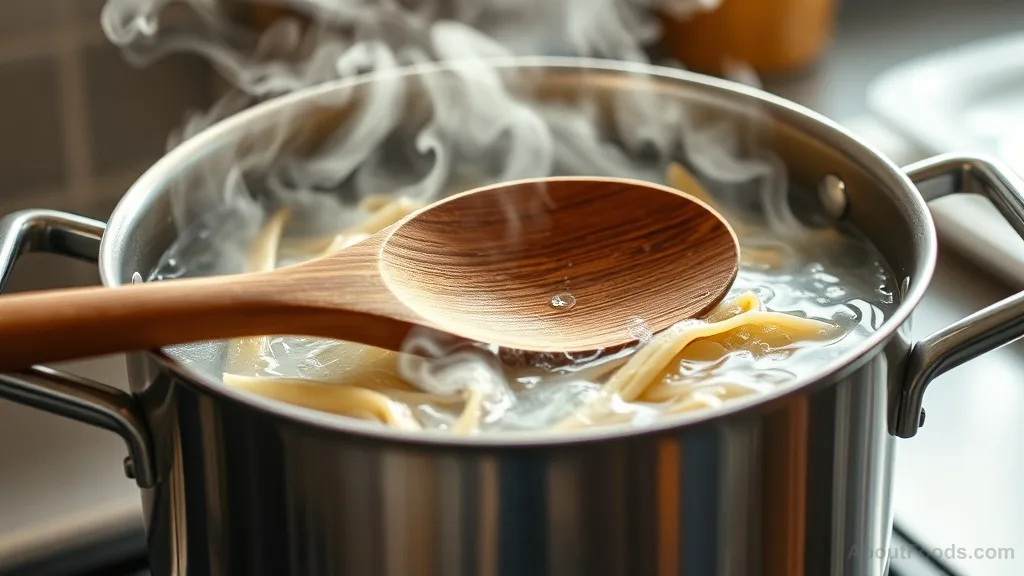
Now, onto the wooden spoon. The myth claims that placing a wooden spoon across the top of the pot breaks the surface tension of the bubbles, causing them to pop before they can overflow. In theory, this sounds plausible—wood is porous and might disrupt the foam. But let’s be real: have you ever seen a spoon magically calm a raging pot of starch foam? I’ve run this test more times than I’ve burned garlic (which, trust me, is saying something). Here’s what happens: the spoon might pop a few bubbles where it touches, but it doesn’t address the root cause—the continuous production of starch-stabilized foam from the boiling water below. It’s like trying to stop a flood with a teacup. The foam simply builds around the spoon, and if your heat is too high, over it goes.
- Limited contact area: The spoon only affects bubbles it touches directly.
- Doesn’t reduce heat: The underlying steam production continues unabated.
- Foam adaptability: Starch foam can flow around obstacles like the spoon.
- Material matters: Wood isn’t uniquely effective—plastic or metal spoons behave similarly.
What Actually Works: Proven Techniques to Keep Your Pot in Check
So, if the wooden spoon is more placebo than panacea, what should you do? Fear not—I’m not leaving you to clean up a starchy disaster. Based on solid kitchen science, here are methods that actually work, tested in my own cucina and backed by principles of heat and starch behavior.
The Role of Salt and Other Ingredients
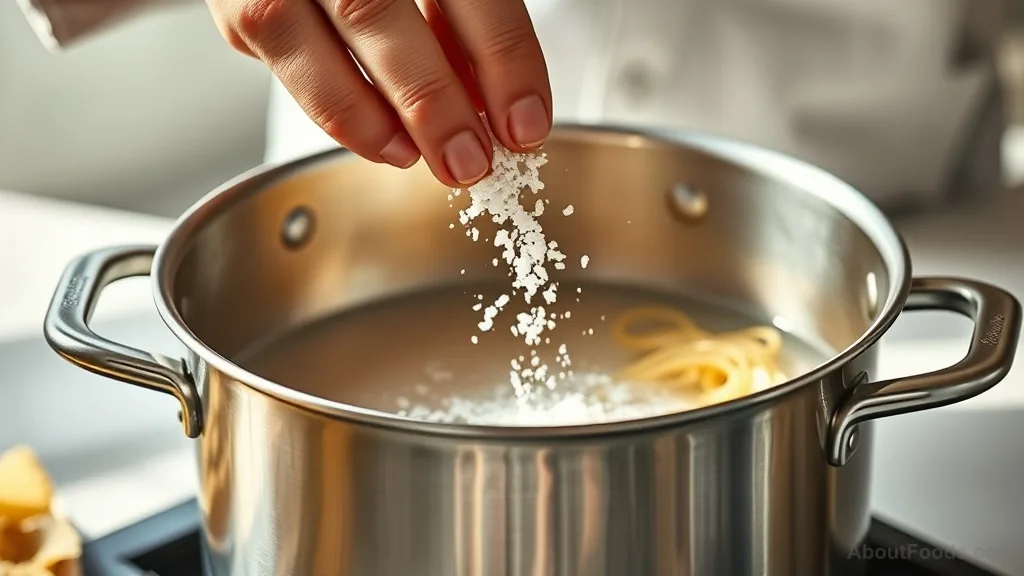
Ah, salt—my favorite topic. Does salting your water affect boil-overs? Indirectly, yes. Salt raises the boiling point of water very slightly (we’re talking less than a degree Fahrenheit for typical pasta water). This means the water might boil a tad less violently, which could reduce foam formation. But let’s be clear: the effect is minimal. The real reason to salt your pasta water is flavor, not foam control. As for other additives, I’ve heard everything from vinegar to baking soda tossed into the mix. Save those for cleaning or baking—they won’t save your pot from overflowing. Stick to the basics: big pot, controlled heat, and a watchful eye.
Practical Takeaways for Home Cooks
Let’s wrap this up with some no-nonsense advice from my kitchen to yours. Cooking pasta shouldn’t be a high-stakes game of foam management. Here’s how to keep it simple and effective.
- Choose a pot with at least 3–4 inches of clearance above the water line.
- Bring water to a boil, add salt (about 1–2 tablespoons per gallon), then pasta.
- Once boiling, reduce heat to maintain a steady simmer—bubbles should be active but not explosive.
- Stir within the first minute to prevent sticking, and occasionally thereafter.
- If foam starts to climb, give it a quick stir or lower the heat slightly.
- Forget the wooden spoon as a fix—use it for stirring, not as a magic barrier.
Remember, the best tool in your kitchen is attention. A watched pot might not boil, but an unwatched one definitely overflows.
FAQ: Your Pasta Boiling Questions, Answered
Why does my pasta water foam more with some types of pasta?
Different pastas release different amounts of starch. Fresh pasta or shapes with more surface area (like small shells) can release more starch, leading to thicker foam. Dried pasta tends to be less foamy unless it’s overcooked.
Can I reuse the wooden spoon trick for other boiling foods?
It’s equally ineffective for things like potatoes or rice, which also release starch. The same principles apply—control heat and use a large pot instead.
Does the type of wood in the spoon matter?
Not really. Whether it’s beech, olive, or bamboo, the porous structure might absorb some moisture, but it doesn’t significantly impact foam breaking. It’s more about aesthetics and durability.
What’s the biggest mistake people make when cooking pasta?
Using too small a pot and too high heat. Give your pasta space and simmer gently—it cooks just as well without the drama.
Is there any benefit to the wooden spoon at all?
Yes—as a stirring tool! Wood is gentle on cookware and doesn’t conduct heat, making it perfect for mixing without scratching or burning your hands. Just don’t rely on it as a boil-over shield.
Rate this article
4.5 out of 5 from 13 ratings

Written by
Giulietta Gallo
Specialises in Italian cuisineGiulietta (not Giulia) is a pastry chef who puts smoked salt in her panna cotta. Her neighbors love her. Her dentist does not.
Describe yourself in three words: Witty, salty (literally and figuratively).