Myth Busting
You Don't Need to Rinse Rice — And Here's the Science
For generations, cooks have been told to rinse rice before cooking. But modern food science reveals this step is often unnecessary and can even work against your culinary goals. Let's explore the chemistry and practical implications of skipping the rinse.
The Persistent Myth of Rice Rinsing
My dear friends, let me confess something with my tired but joyful heart and these buttery hands that have seen too many unnecessary kitchen tasks. For years, I too stood at my sink, running cold water over rice until it ran clear, believing I was doing something essential. It was a ritual passed down from my grandmother in Provence, who learned it from her mother, and so on through generations of well-meaning cooks. But here in my kitchen today, surrounded by the evidence of modern food science, I must tell you: we have been wasting our time and water. The instruction to rinse rice is one of cooking's most persistent myths, and understanding why requires us to look at what rice actually is and what happens when we cook it.
This isn't about dismissing tradition for tradition's sake. Rather, it's about understanding that many kitchen practices developed for reasons that no longer apply to most home cooks today. The rice rinsing habit has roots in times when rice contained more impurities, when milling processes were less refined, and when food safety concerns were different. Modern rice production has changed dramatically, and our understanding of starch chemistry has evolved even more. So let's put down the colander, dry our hands, and explore what science tells us about this ubiquitous grain.
The Science of Rice Starch: What You're Actually Rinsing Away
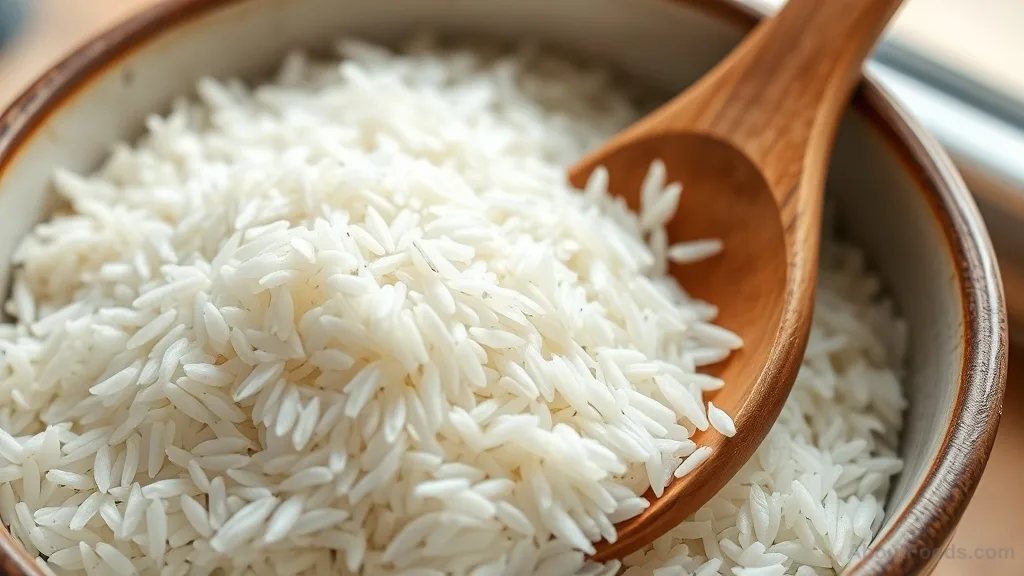
At the heart of this discussion lies starch - that miraculous carbohydrate that gives rice its structure, texture, and culinary personality. Rice grains contain two types of starch: amylose and amylopectin. The ratio of these starches determines whether rice becomes fluffy and separate (higher amylose) or sticky and creamy (higher amylopectin). But here's what matters for our rinsing discussion: on the surface of rice grains, there's a fine dusting of loose starch particles.
When you rinse rice, you're primarily washing away this surface starch. The water turns cloudy because these starch particles are water-soluble and easily suspended. But here's the crucial point: this surface starch isn't 'dirty' or 'impure' - it's simply starch that has broken free during milling and handling. It's the same starch that's inside the grain, just in a more accessible form. And this brings us to the first scientific revelation: that surface starch plays a significant role in how rice cooks and what texture it achieves.
- Surface starch dissolves quickly in cooking water, thickening the liquid around the grains
- This creates a protective layer that can slow water absorption into the rice
- The starch contributes to the creamy texture in dishes like risotto or rice pudding
- In pilafs and fluffy rice dishes, this starch can make grains stick together more
When Rinsing Actually Makes Sense (And When It Doesn't)
Now, before we throw all tradition to the wind, let me be precise: there are specific situations where rinsing rice serves a purpose. The key is understanding what that purpose is and whether it applies to your cooking goals. Food science isn't about absolute rules; it's about understanding principles so you can make informed decisions.
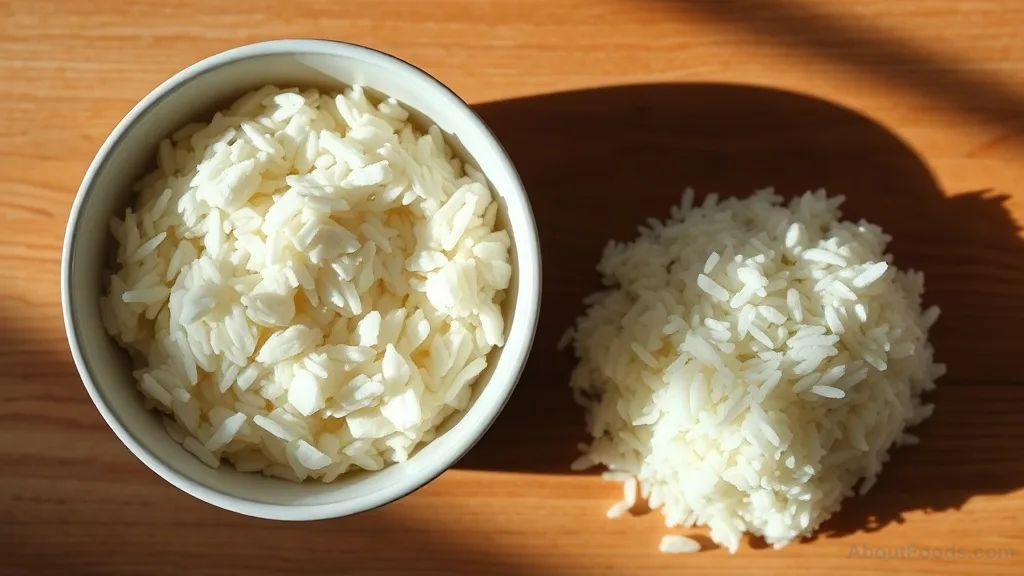
Rinsing makes sense when you want the driest, most separate grains possible - think of the perfect basmati for a biryani where each grain should stand apart. By removing surface starch, you reduce the starch available to make grains stick together. However, even here, modern rice varieties are often milled to such precision that the difference may be minimal. More importantly, for most everyday cooking - from simple steamed rice to rice in soups or as a side dish - rinsing provides little benefit and can actually work against your desired outcome.
The Texture Control You Gain by Skipping the Rinse
Here's where the magic happens, mes amis. When you cook rice without rinsing, you retain control over texture in ways that rinsing denies you. That surface starch becomes a tool rather than something to be discarded. Think of it as having an extra ingredient already measured and ready - one that affects viscosity, grain separation, and mouthfeel.
For creamy dishes like risotto, that surface starch is essential. It's what helps create the signature creamy texture without needing excessive stirring or added thickeners. The starch dissolves into the cooking liquid, creating a velvety sauce that coats each grain. For rice puddings or congee, this starch contributes to the comforting thickness we love. Even for everyday steamed rice, keeping that starch means the grains have a slightly more cohesive texture that many people prefer - they hold together just enough to be picked up with chopsticks or formed into bites, without being gluey.
Practical Kitchen Application: How to Cook Perfect Rice Without Rinsing
So how do we apply this science in our actual kitchens? Let me guide you through the practical steps, with my buttery hands having tested every variation. The key is understanding that skipping the rinse changes your starting point, and you can adjust other variables to achieve exactly the texture you want.
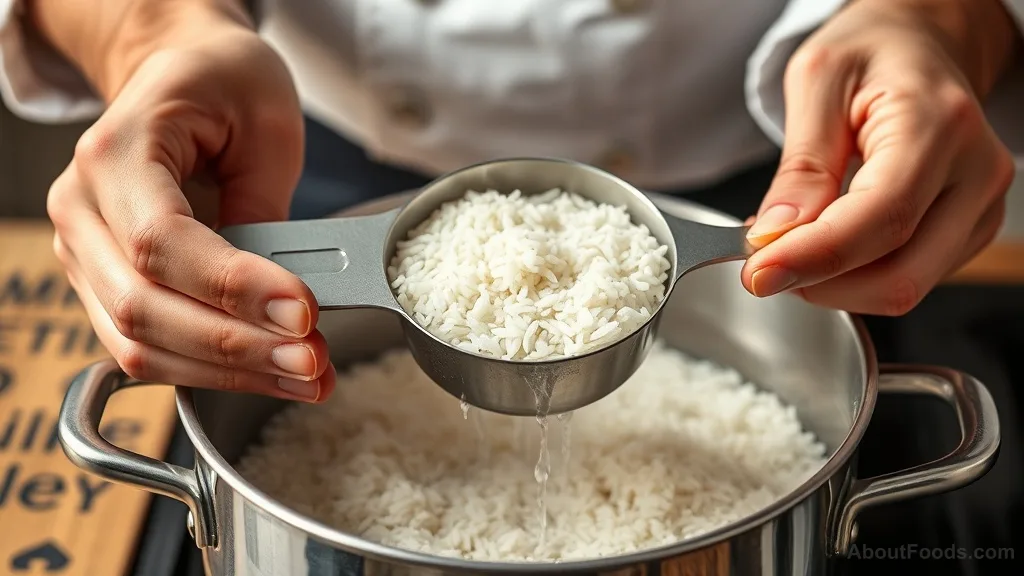
First, measure your rice directly into your cooking vessel. Notice how it looks - modern rice should appear clean, with minimal loose powder. If there's visible dust or debris (rare with quality brands), you might give it a quick swish, but don't aim for clear water. Next, add your cooking liquid. Here's an important adjustment: because unrinsed rice has that surface starch, you might need slightly less water than traditional recipes suggest. The starch will thicken the cooking liquid, so starting with a 1:1.5 rice-to-water ratio (rather than 1:2) often works better. Then cook as usual, knowing that the starch is working for you rather than against you.
| Rice Type | Traditional Water Ratio | Unrinsed Water Ratio | Key Adjustment |
|---|---|---|---|
| White long-grain (jasmine, basmati) | 1:1.75 | 1:1.5 | Reduce water slightly, stir once at beginning |
| Arborio (for risotto) | Add as needed | Same | No change - starch is essential |
| Brown rice | 1:2.25 | 1:2 | Small reduction, longer cooking time unchanged |
| Sushi rice | 1:1.25 (after rinsing) | 1:1 | Significant reduction, careful monitoring |
Common Concerns and Misconceptions Addressed
I can hear the questions already, bubbling up like a good pot of rice. 'But Claire,' you might say, 'won't the rice be dirty?' Or 'What about arsenic?' Or the most common: 'My grandmother always did it!' Let me address these with both scientific evidence and culinary compassion.
Regarding cleanliness: modern rice milling and packaging standards mean that the rice you buy is remarkably clean. Any remaining 'dust' is primarily starch, not dirt. For food safety, cooking rice to proper temperatures (which we always do) eliminates pathogens far more effectively than rinsing ever could. As for arsenic concerns: while rice can absorb arsenic from soil, rinsing has minimal effect on arsenic levels, which are bound within the grain structure. Proper cooking methods and varying your grains are more effective strategies.
The grandmother question is perhaps the most tender. I honor tradition deeply - it's in my French bones. But I also believe that honoring our culinary ancestors means understanding why they did what they did, and then applying that wisdom to our modern context. They rinsed rice because it made sense in their time. We can honor them by understanding the science of our time.
Your Rice Cooking Questions Answered
Doesn't rinsing remove impurities from rice?
Modern commercially produced rice contains minimal impurities. The cloudiness you see when rinsing is primarily starch dust from milling. Any actual debris is rare with quality brands and would be visible - you can pick it out rather than rinsing everything.
What about rice that specifically says 'no wash' or 'pre-rinsed'?
These products have already been processed to remove excess surface starch. Rinsing them would be counterproductive, as you'd be removing what little starch remains and potentially making the rice too dry when cooked.
How do I prevent rice from being too sticky if I don't rinse?
Control stickiness through water ratio and cooking method rather than rinsing. Use slightly less water, fluff the rice immediately after cooking, and let it rest covered for 5-10 minutes. The type of rice also matters - choose varieties with higher amylose for naturally fluffier results.
Is there any nutritional difference?
Yes, but minor. Rinsing can wash away some water-soluble B vitamins and minerals that coat the grains. More significantly, enriched rice has nutrients added to the surface that rinsing would remove. For most people, the nutritional difference is small, but every bit counts.
What if I'm making fried rice? Should I rinse then?
For fried rice, you want dry, separate grains. However, the best approach is to use day-old cooked rice that has dried in the refrigerator, not rinsing before initial cooking. The drying process in the fridge does what rinsing attempts to do, but more effectively.
Does this apply to all types of rice equally?
Mostly yes, but with nuance. Very starchy varieties like arborio or sushi rice benefit most from keeping their starch. Ancient grains or heirloom varieties might have different characteristics. The principle remains: understand what the starch does, then decide whether to keep or remove it based on your desired outcome.
Rate this article
4 out of 5 from 9 ratings

Written by
Claire Dubois
Specialises in French cuisineClaire is a former lawyer who now bakes croissants at 4am. She says pastry saved her soul and ruined her sleep schedule.
Describe yourself in three words: Tired but joyful, buttery hands.