Myth Busting
Baking Soda in Boiled Eggs: Science Shows It Doesn’t Help Peeling
Adding baking soda to the water when boiling eggs is a common kitchen trick, but science explains why it doesn't actually make them easier to peel. The pH change only affects the albumen, not the stubborn membrane. Here’s the real reason fresh eggs are harder to peel, and what you can do about it.
The Old Wives’ Tale: Baking Soda for Easy-Peel Eggs
Every grandmother has her tricks. Some add vinegar to poaching water, others add salt to keep eggs from cracking. And then there’s the one that says: “Add a teaspoon of baking soda to the water, and your hard-boiled eggs will peel like a dream.” I used to believe it myself, nodding along with the wisdom of ages. But the kitchen is a place of truth, and the truth is a bit more complicated. Let’s crack open the science.
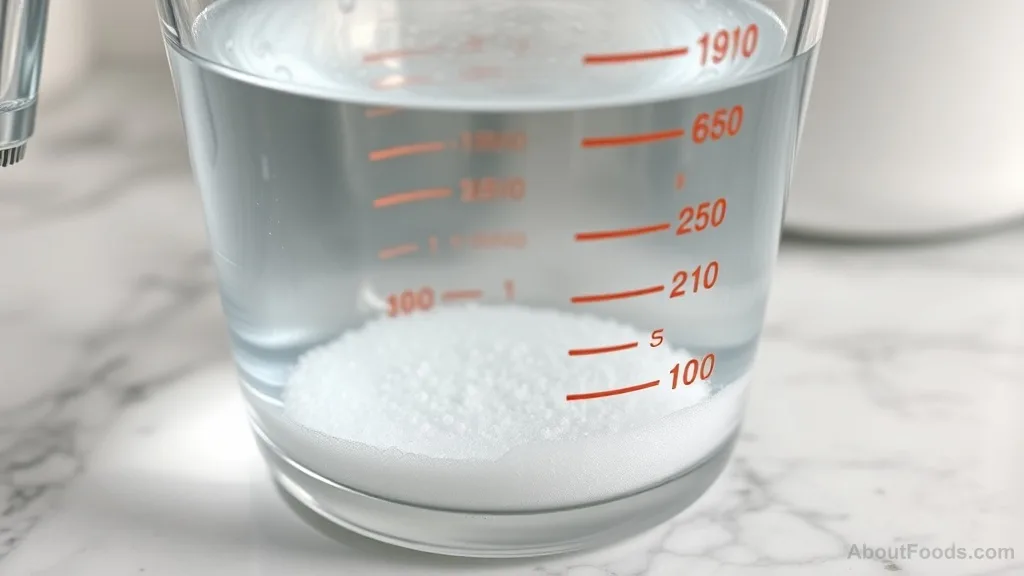
Baking soda—sodium bicarbonate, if you want to be formal—is a base. It raises the pH of your cooking water. A higher pH is supposed to make the egg white sort of… slippy. But does it? I’ve done the test, watched the steam rise, and peeled the evidence with my own fingers. And the answer, dear reader, is a firm, dusty no.
What the Science Says: pH and Albumen
Egg white, or albumen, is a mixture of proteins and water. Fresh egg whites have a pH near 7.6. As the egg ages, carbon dioxide seeps out through the shell, and the pH slowly climbs to about 9.2 after a week or two. That natural rise is what makes older eggs easier to peel—not the baking soda.
When you add baking soda to the water, you raise the pH of the cooking water, but the eggshell is a barrier. And even if some base sneaks in, the pH inside the egg doesn’t change much. The real bonding culprit is the inner shell membrane. It’s made of keratin and collagen, and it sticks to the egg white most when the egg is very fresh. That stickiness is due to the low pH of fresh albumen, combined with high carbon dioxide content. You can’t reverse that by tossing a spoonful of white powder into the pot.
The Real Problem: Freshness vs. Stickiness
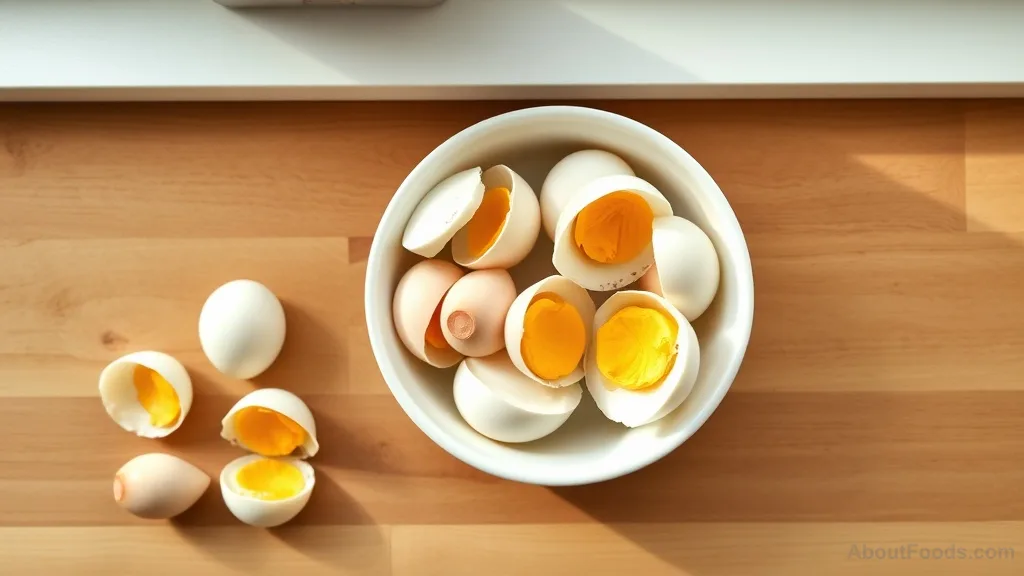
If you’ve ever tried to peel a warm, freshly laid egg (and if you have a hen, you’ve done this), you know the frustration. The white comes off in angry little chunks. The shell clings like a bad memory. This happens because the air cell in a fresh egg is tiny, and the pH is low. As weeks pass, the egg loses moisture and carbon dioxide, the air cell expands, and the membrane becomes less adhesive. An egg that’s been in your fridge for two weeks? Peels like a charm.
Baking soda may raise the pH of the water, but the albumen’s pH will still be determined by its own age. The baking soda is just a bit of kitchen theater. It makes you feel like you’re doing something, but the egg doesn’t care.
A Respectful Myth-Busting
Now, I don’t say these things to shame your grandmother. The kitchen is a cathedral of small rituals, and many forgotten superstitions have a kernel of truth. There is a scientific reason baking soda might help, but it only shows up under conditions most of us don’t meet in our usual cooking.
For instance, if you choose to boil an egg for a very short time—say, soft-boiled—the pH of the water can influence the whiteness of the white. But for a standard hard-boiled egg (10–12 minutes), the shell remains a formidable wall. The bicarbonate ions don’t diffuse into the white fast enough or in high enough amounts to weaken the membrane bond. I’ve done the tasting: no difference in mouthfeel, no sudden slip of the shell. Just a slightly metallic taste sometimes. So save your baking soda for the pancakes.
What Actually Works: Steaming, Shocking, and Waiting
If you seek an easy-peel egg, don’t look at the pantry. Look at the calendar. Let those eggs sit in your refrigerator for at least a week. But you don’t always have that luxury. So what’s a home cook to do? My grandmother would say: “Place your eggs in a steamer basket over boiling water, steam for 12 minutes, then plunge them into an ice bath.” That’s good advice.
Frequently Asked Questions
The Truth, Golden and Simple
So there you have it: Baking soda is a wonderful raising agent, a gentle cleaner, and a deodorizer. But it is not your ally in the battle of the boiled egg. The shell is not a fortress that yields to a pinch of white powder. Time is the architect of the peeling miracle. Use your eggs after a week, steam them, scare them with cold water, and peel in a stream of tap water. And if you still want a pinch of baking soda? Put it in a little dish by the window to remind you of the ways of the old country—but don’t expect it to work its ego into your egg.
Rate this article
No ratings yet. Be the first to rate it.

Written by
Ines Silva
Specialises in Portuguese cuisineInes learned to cook bacalhau from her avó, who spoke only in proverbs. Ines now speaks only in proverbs too.
Describe yourself in three words: Mystical, grandmotherly wisdom with dry humor.