Articles
Food Science Articles
Browse the latest food science articles and kitchen explainers from AboutFoods.
Latest Food Science articles
Explore evidence-aware food science explainers, ordered from newest to oldest.
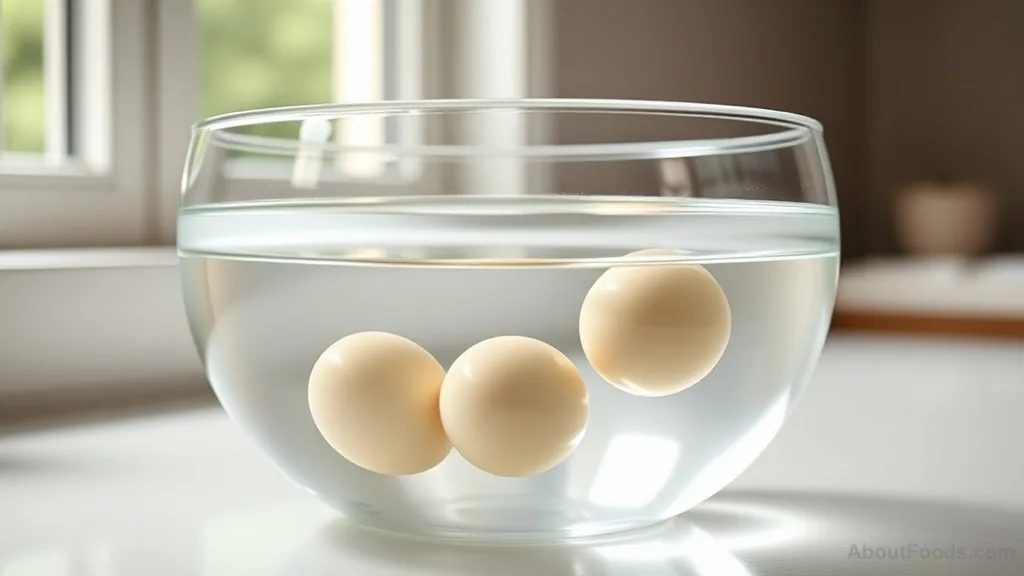
The Great Egg Float Test: Does It Actually Tell You Freshness?
We dive into the science behind the classic egg float test to see if it's a reliable indicator of freshness, and offer better methods for home cooks.
Read More
Common Texture and Mouthfeel Mistakes and How to Avoid Them—Lessons from My Lola’s Kitchen
Explore frequent texture and mouthfeel pitfalls in home cooking, from rubbery proteins to gummy starches, and learn science-backed fixes inspired by traditional Filipino techniques. This guide helps you achieve perfect texture every time.
Read More
Everything Worth Understanding About Myth Busting in Food Science
Separate kitchen fact from fiction with science. This article tackles pervasive food myths—from searing meat to washing chicken—and explains why the truth matters for better cooking.
Read More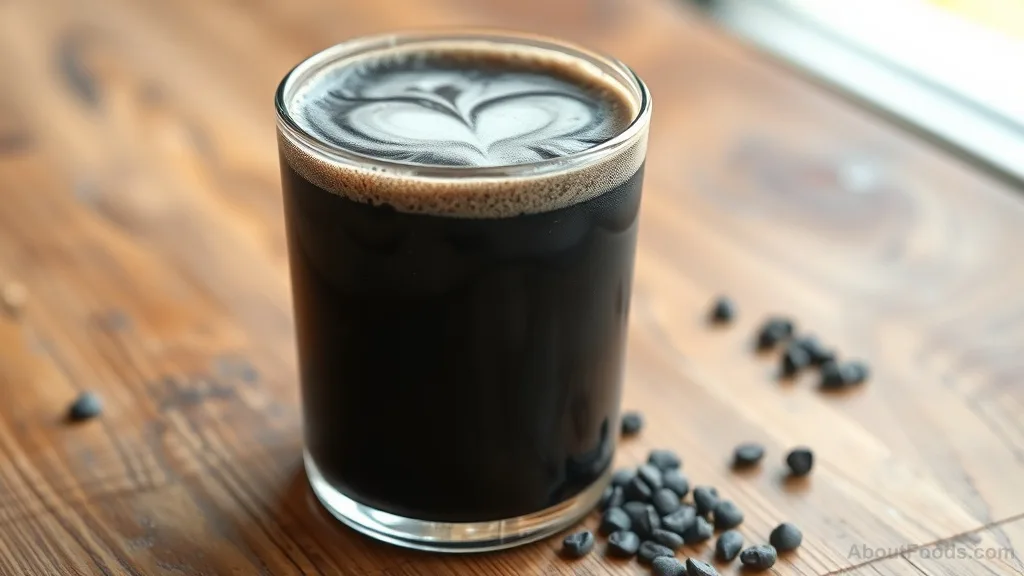
The Truth About Activated Charcoal in Food: Health or Hype?
Activated charcoal has made its way into juices, ice cream, and even pizza dough. But does it live up to the detox hype? This article explains the science behind activated charcoal, its effects on digestion and nutrient absorption, and why top chefs are debating its place in the kitchen.
Read More
When Browning Reactions Help and When They Hurt Your Recipe
Browning makes food taste amazing—but it's not always your friend. Learn when to embrace Maillard and caramelization, and when they'll ruin your dish.
Read More
A Practical Guide to Food Safety and Preservation for Better Results in the Kitchen
Master the art of keeping food fresh and safe with this science-backed guide. Learn why temperature, pH, and moisture matter—and how small changes in your kitchen routine can prevent spoilage, reduce waste, and improve flavor.
Read More
Myth: ‘Burnt’ Garlic Is Always Bitter (Sometimes It's Sweet)
Many cooks fear over-browning garlic, convinced it inevitably turns bitter. But the truth is more nuanced: garlic can develop sweet, caramelized notes before crossing into bitterness—if you understand the heat and timing.
Read More
The Myth That ‘Folding’ vs. ‘Stirring’ Makes a Difference (Mostly Not)
Science shows that the outcome of a recipe depends far more on how much you mix and when, rather than the specific folding or stirring motion. This article busts the common myth, explains the real underlying physics, and gives practical guidance for everyday cooking.
Read More
Texture and Mouthfeel Myths That Confuse Home Cooks
Many home cooks believe that texture and mouthfeel are beyond their control. In truth, a few key scientific principles can help you achieve tender meats, creamy sauces, and crisp crusts every time.
Read More
Does a Floured Surface Actually Prevent Dough from Sticking?
Flouring your work surface is a classic technique, but does it really stop dough from sticking? We explore the science behind adhesion, the role of flour, and when it helps—or hurts.
Read More
Myth: You Must ‘Bloom’ Spices in Oil Every Time
Blooming spices in oil can deepen flavor, but it's not always necessary. This article breaks down the science behind volatile aroma compounds and explains when to bloom and when to skip it.
Read More
The Truth About 'Organic' Produce — Does It Taste Different?
We explore the science behind organic versus conventional produce, debunking myths and revealing what actually affects flavor. Spoiler: it's not just about the label.
Read More
When Myth Busting Helps and When It Hurts Your Recipe
Debunking kitchen myths can improve your cooking—or lead to new mistakes. Learn when to challenge conventional wisdom and when to trust tradition for better results.
Read More
Why Experts Agree: The ‘Finger Test’ for Steak Doneness Is a Joke
The finger test—pressing your palm to gauge steak doneness—is a popular trick but scientifically unreliable. We break down why it fails and offer precise, foolproof alternatives.
Read More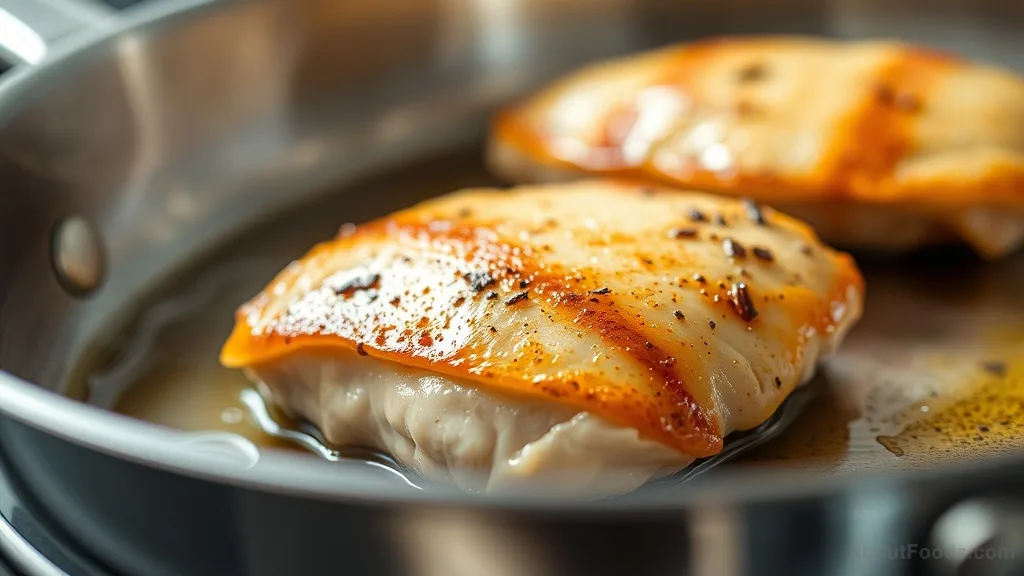
The Science Behind Ingredient Behaviour in Everyday Cooking
Understand how ingredients behave under heat, acid, and mechanical action so you can cook with confidence. This guide covers protein denaturation, starch gelatinization, and emulsion stability with practical takeaways for home cooks.
Read More
Food Safety and Preservation Myths That Confuse Home Cooks
From washing chicken to storing eggs, many common kitchen rules are based on myth, not science. We debunk 9 persistent food safety myths with clear, evidence-based explanations so you can cook with confidence and reduce waste.
Read More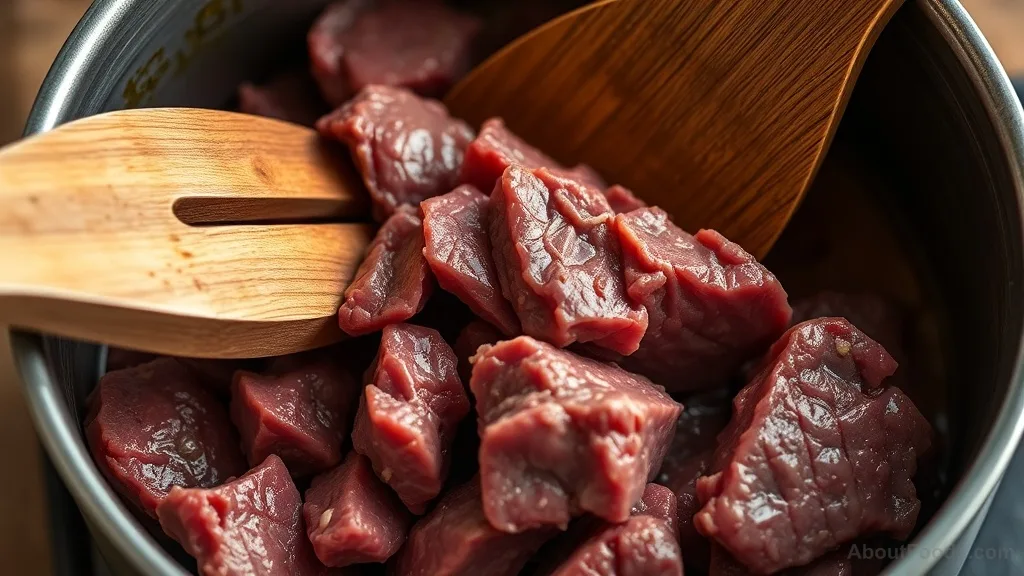
Science Says: ‘Brown the Meat First’ for Stew Is Not Always Best
Conventional wisdom says searing meat before braising locks in juices and builds flavor. But food science reveals that skipping the browning step can sometimes yield a more tender, deeply flavored stew. This article breaks down the chemistry behind the myth.
Read More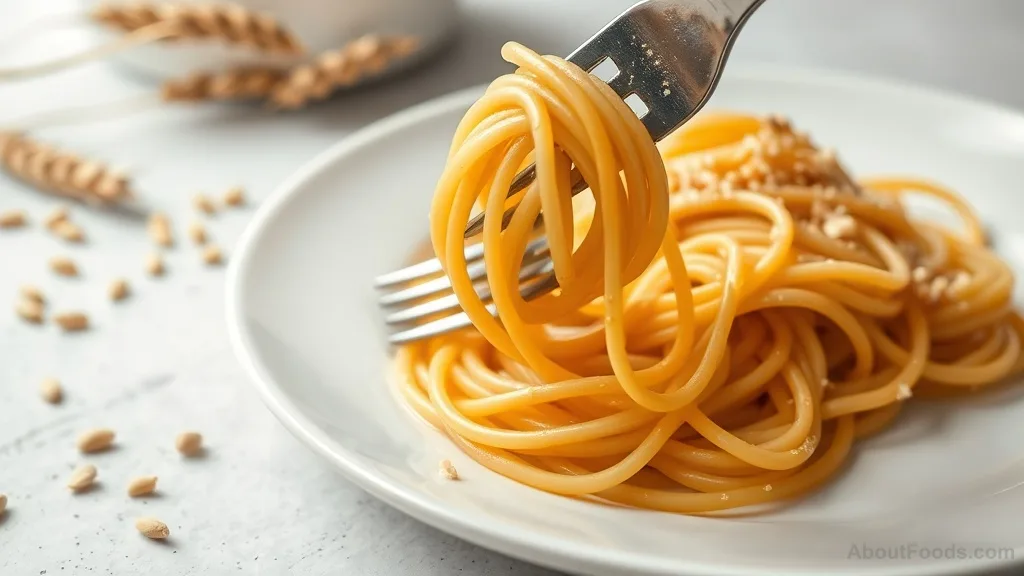
Why Experts Agree: ‘Al Dente’ Is Not Actually Healthier for You
Despite persistent claims that al dente pasta is lower in calories or better for blood sugar, food scientists and dietitians agree: the health difference is negligible. This myth-busting article explains the real science of starch digestion and why your cooking preference matters more than your glucose levels.
Read More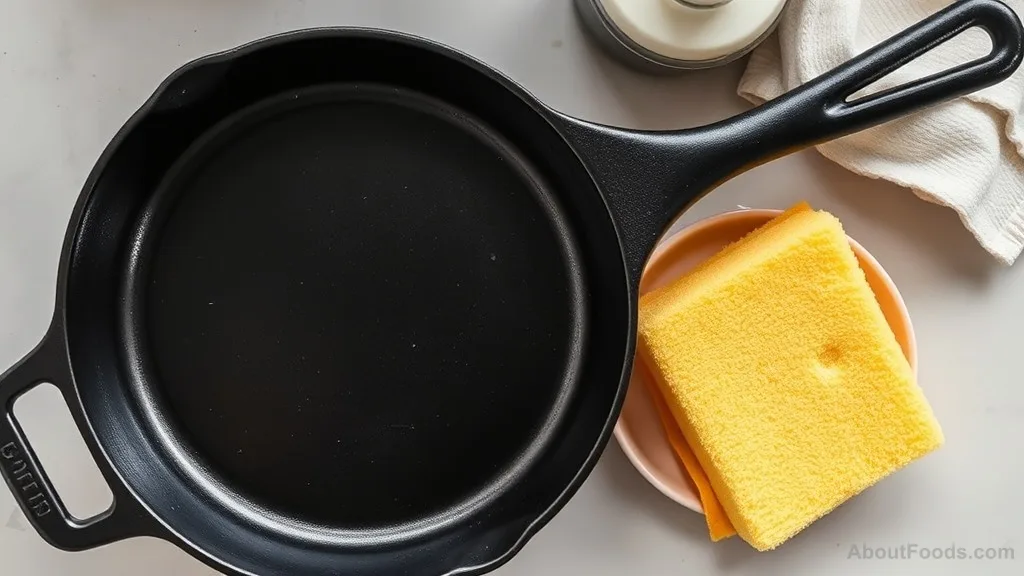
Why 'Never Wash Your Cast Iron With Soap' Is Outdated Advice (And What to Do Instead)
The old rule against using soap on cast iron is based on outdated chemistry. Modern dish soaps won't damage a well-seasoned pan, and proper cleaning actually helps maintain seasoning and prevent rust.
Read More
Everything Worth Understanding About Texture and Mouthfeel
From crisp to creamy, texture and mouthfeel define our eating experience. Learn the science behind how we perceive texture, how food structure creates sensations like crunch and silkiness, and how to control these qualities in your kitchen.
Read More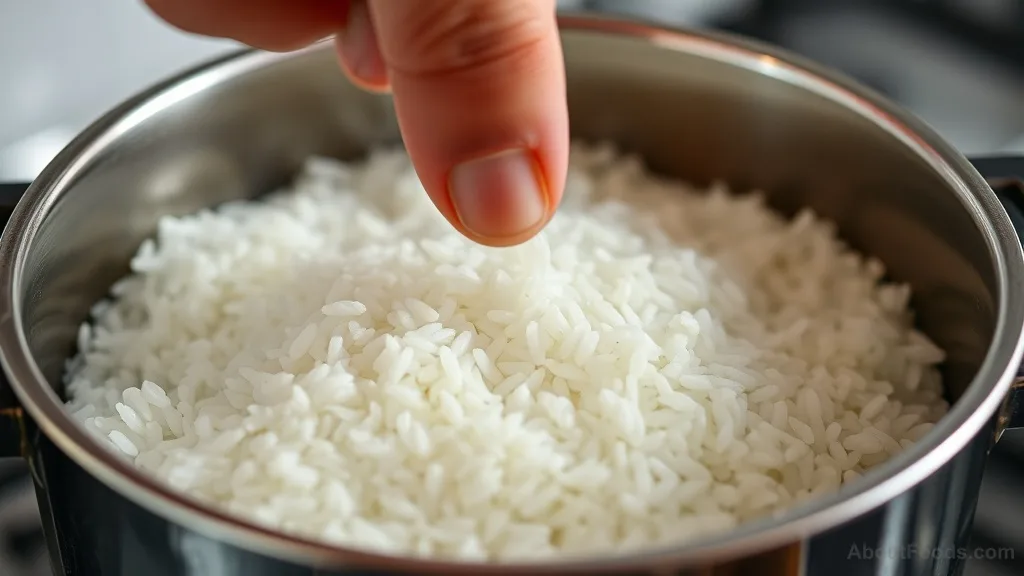
Why You Should Never Trust the ‘Knuckle’ Method for Cooking Rice
The knuckle method for cooking rice is a popular kitchen myth that can lead to inconsistent and often unsatisfactory results. This article explains why the method is unreliable and provides science-backed techniques for perfectly cooked rice every time.
Read More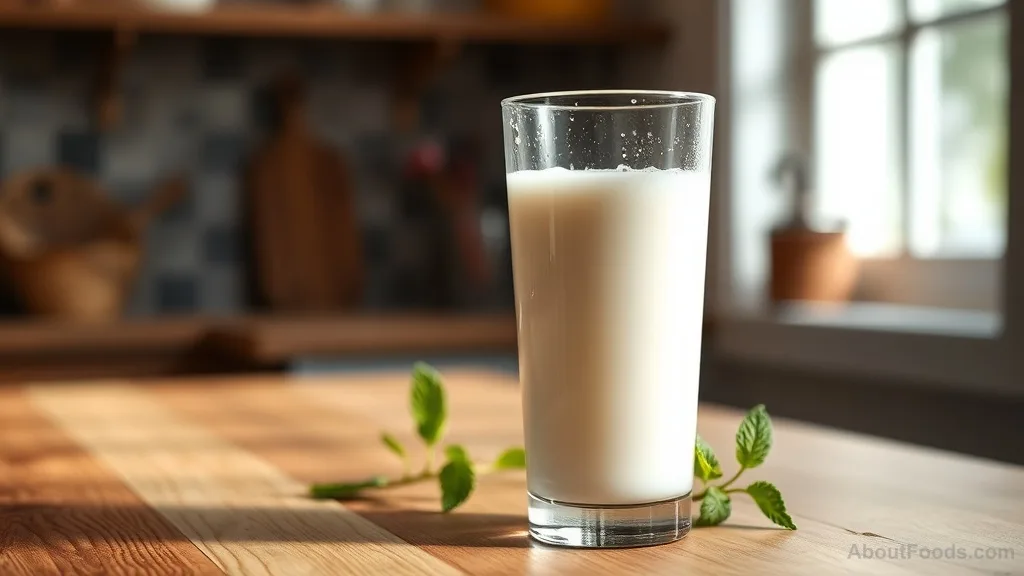
Does Drinking Milk Actually Help With Spice Burn? A Capsaicin Case Study
We break down the science of capsaicin and why milk—specifically whole milk—works better than water to quell the fire. Plus, practical tips for the kitchen.
Read More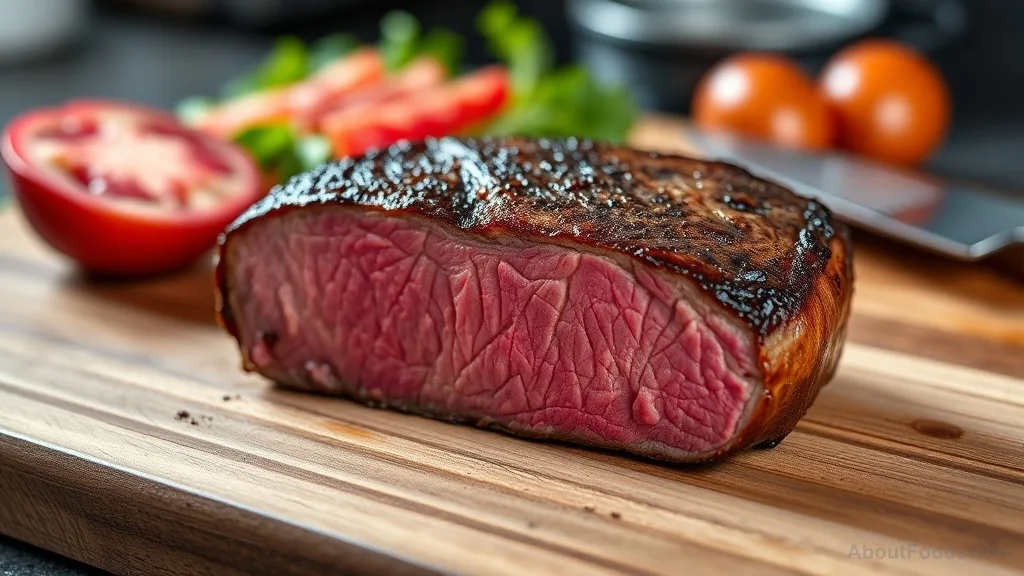
Common Proteins and Structure Mistakes (And How to Fix Them)
Proteins are the backbone of texture in cooking—tough meat, rubbery eggs, or a broken sauce all trace back to protein handling. Here are the most frequent mistakes and the science-backed fixes.
Read More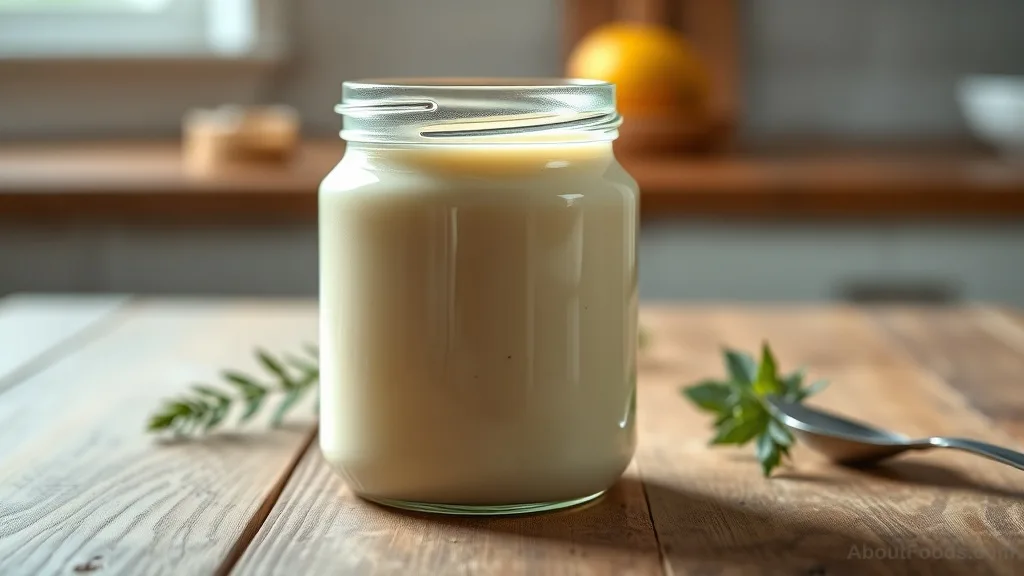
Everything Worth Understanding About Fats And Emulsions
Discover the science behind fats and emulsions—from molecular structure to kitchen techniques—and learn how to create stable sauces, dressings, and more.
Read More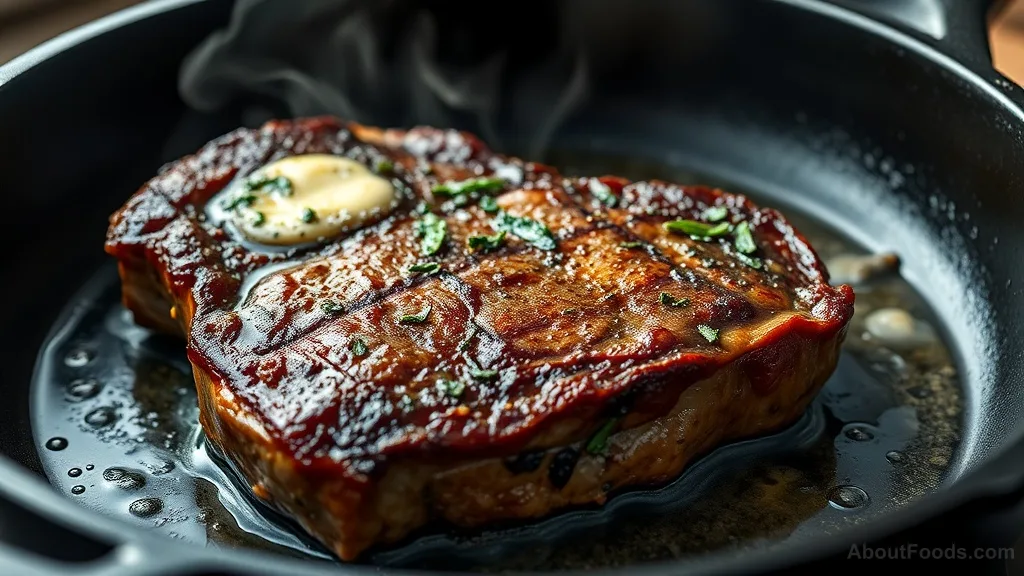
The Myth of 'The Perfect Sear': Does Color Actually Equal Flavor?
We've been told that a deep brown crust is the ultimate sign of flavor, but is color really a reliable measure of a good sear? In this article, we bust the myth and explore what actually drives flavor development during browning.
Read More
Is ‘Clean as You Go’ Really Faster? A Kitchen Productivity Test
We put the 'clean as you go' method to the test in a timed cooking session. Does wiping as you work actually save time, or is it a productivity illusion? Here's the science-backed answer for home cooks.
Read More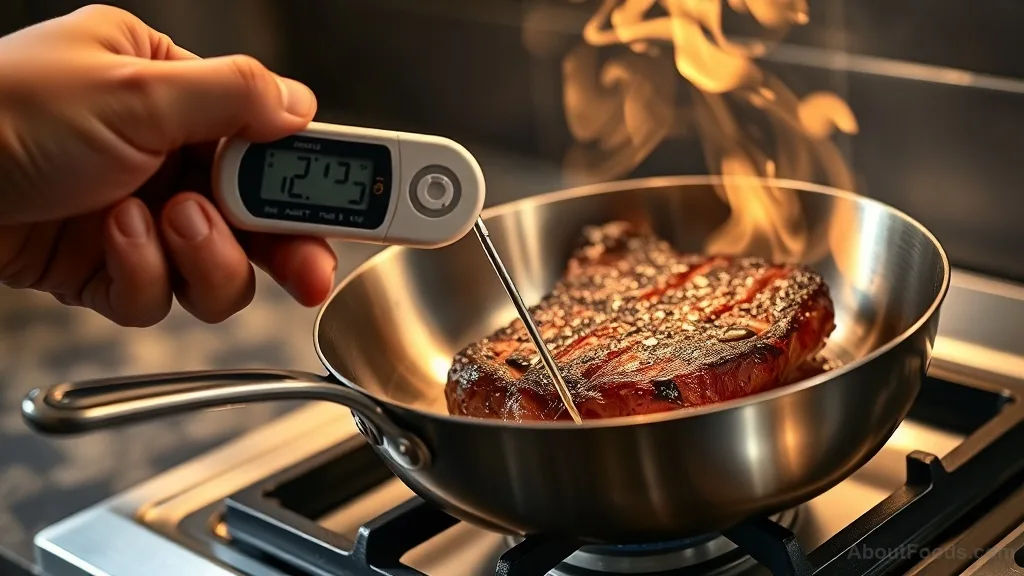
Heat and Temperature Explained: What Home Cooks Need to Know
Heat and temperature are not the same thing, but understanding the difference transforms your cooking. This article breaks down the science behind heat transfer, why temperature matters, and how to use that knowledge to get better results in your kitchen.
Read More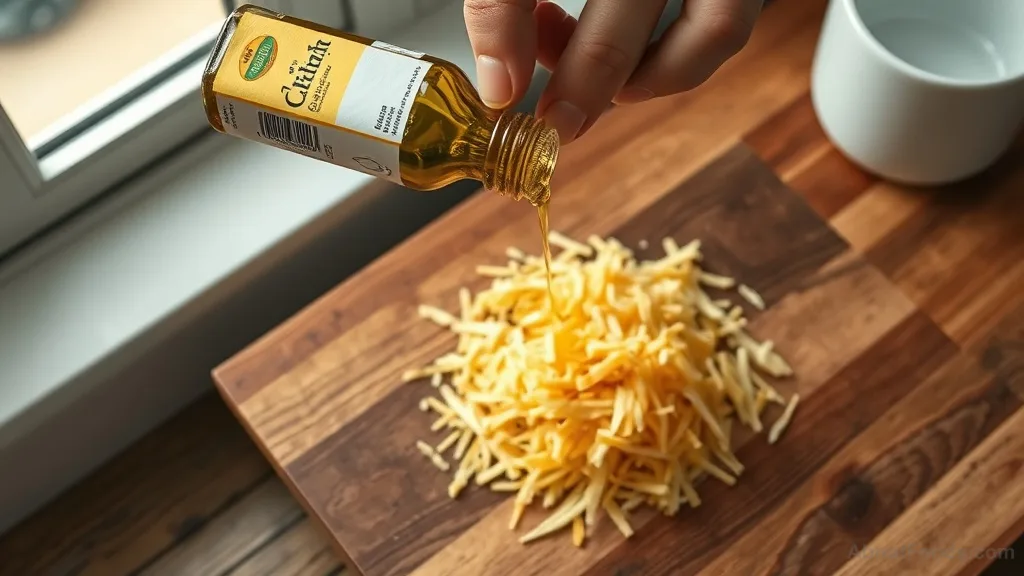
Does Adding Oil to Cheese Prevent Clumping in Sauces? The Science Behind Smooth, Silky Cheese Sauces
Adding oil to cheese before melting can help reduce clumping by coating the cheese proteins and preventing them from bonding. But the real key to a smooth sauce lies in controlling heat, starch, and acidity.
Read More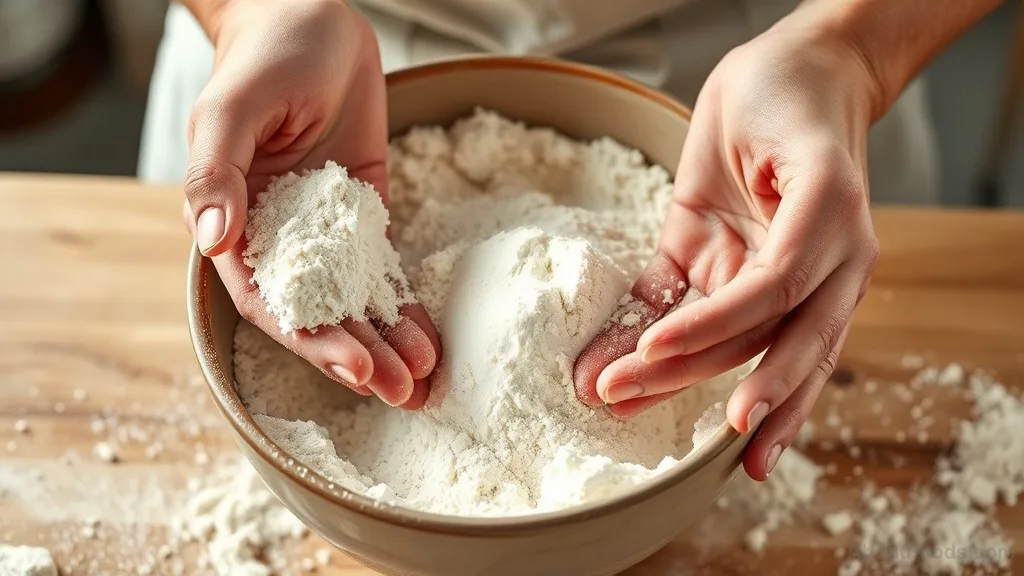
Why You Should Stop Believing 'Salt Kills Yeast' (Unless You Do It Wrong)
Salt doesn't kill yeast—not directly. The real enemy is poor technique. Learn how salt actually strengthens dough, why direct contact is the only risk, and how to use salt without sabotaging your rise.
Read More
Heat vs. Temperature: The 5 Myths That Confuse Home Cooks (and Why They Ruin Your Food)
Think you understand heat and temperature? Most home cooks get them mixed up. We bust the biggest myths so you can sear, simmer, and bake with confidence.
Read More
Why You’ve Been Peeling Ginger Wrong (You Don’t Need To)
Learn how to prep ginger faster and reduce waste: the skin is perfectly edible and packed with flavor. We debunk the peeling myth with science and share a simple no-peel trick.
Read More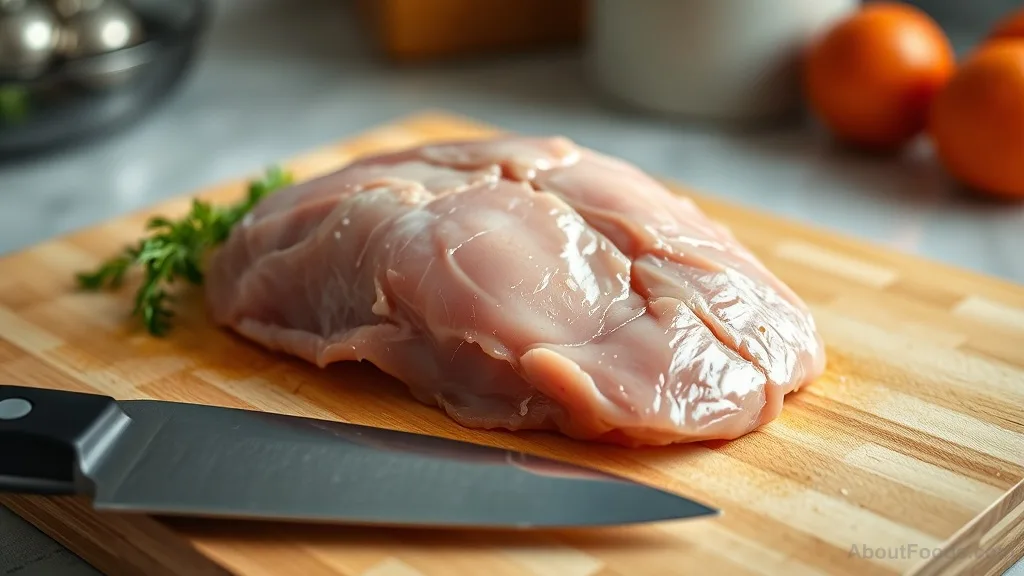
How Proteins and Their Structure Change Flavor, Texture, and Cooking Results
Proteins are the backbone of cooking, but their structure—and how it changes with heat, acid, or salt—determines whether your chicken is juicy or dry, eggs silky or rubbery, and cakes tender or tough. This article explains the science behind protein denaturation and coagulation, with practical tips to control texture and flavor in your kitchen.
Read More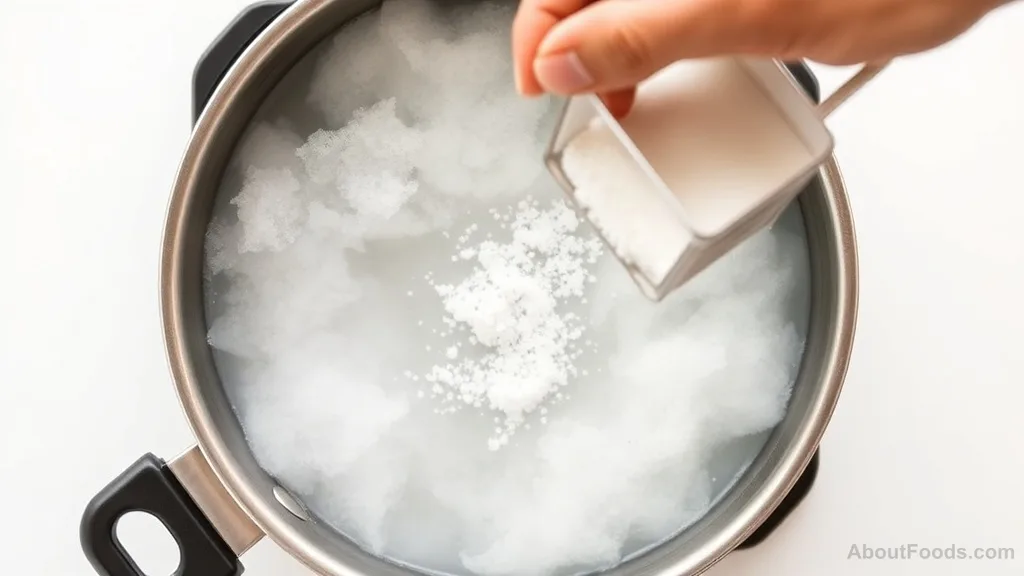
Myth: ‘Pasta Water Should Taste Like the Sea’ — That’s Too Much Salt
You've heard the advice: salt your pasta water until it tastes like the Mediterranean. But that rule of thumb leads to overly salty pasta. We break down the science of salt in pasta water and give you the real numbers.
Read More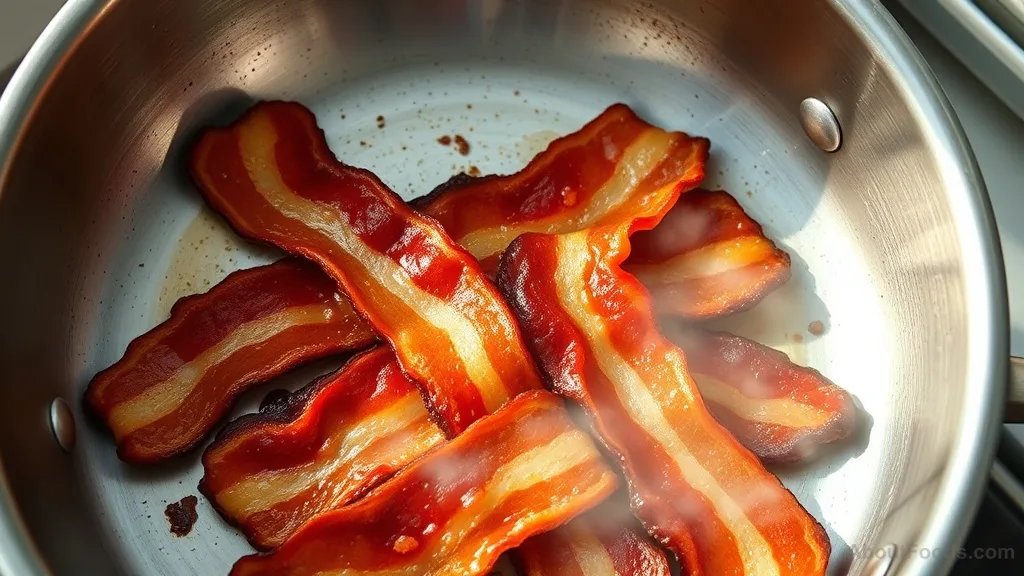
Myth Busted: You Don’t Need to Render Bacon Slowly for Crispiness
Contrary to popular belief, you do not have to cook bacon low and slow to achieve crispiness. The real science is about moisture evaporation and fat rendering, and starting with a cold pan or low heat can even work against you.
Read More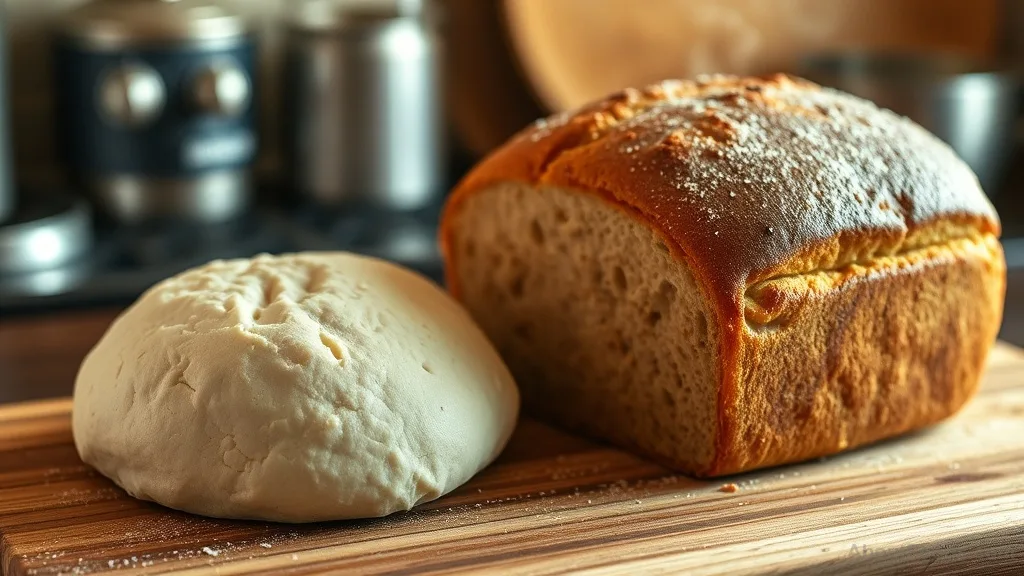
How Baking and Dough Changes Flavor, Texture, and Cooking Results
Discover the science behind how baking transforms dough: from the Maillard reaction that creates deep flavor, to gluten development that builds structure, and how moisture loss produces a crisp crust and tender crumb.
Read More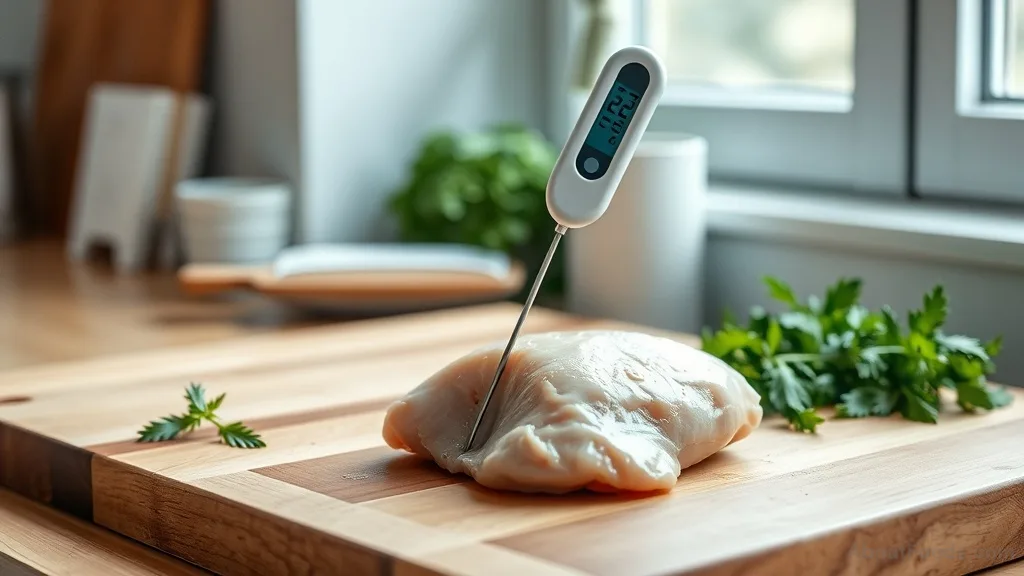
Food Safety and Preservation vs Guesswork: What Actually Matters
Stop relying on sniff tests and grandma’s intuition. Here’s the real science behind keeping food safe and fresh—no guesswork required.
Read More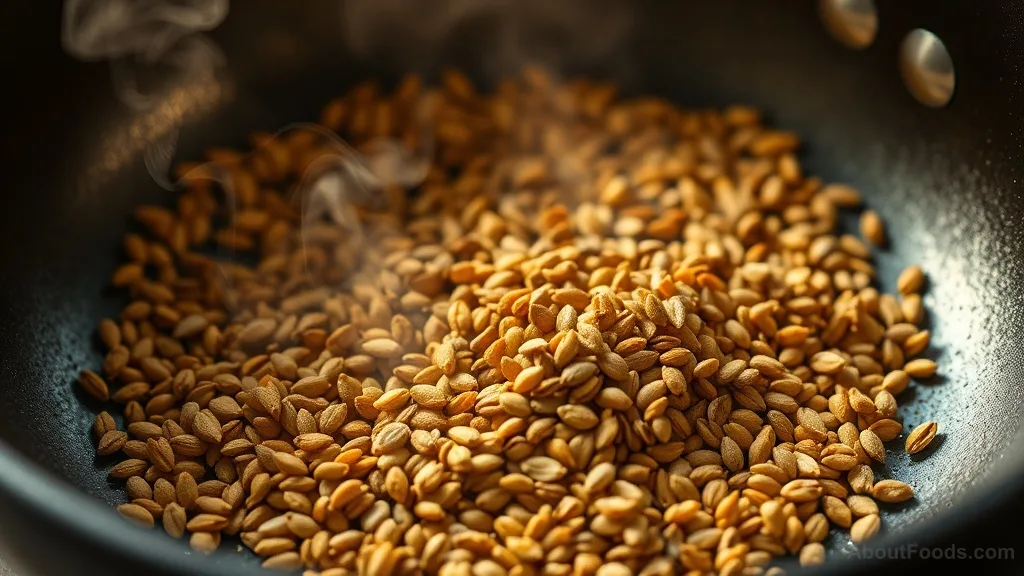
Does Toasting Spices Before Grinding Actually Change Anything? A Science-Based Look
We put the common advice to toast spices before grinding to the test, examining the chemical changes, aroma impact, and practical outcomes. Spoiler: it does matter, but not always in the way you think.
Read More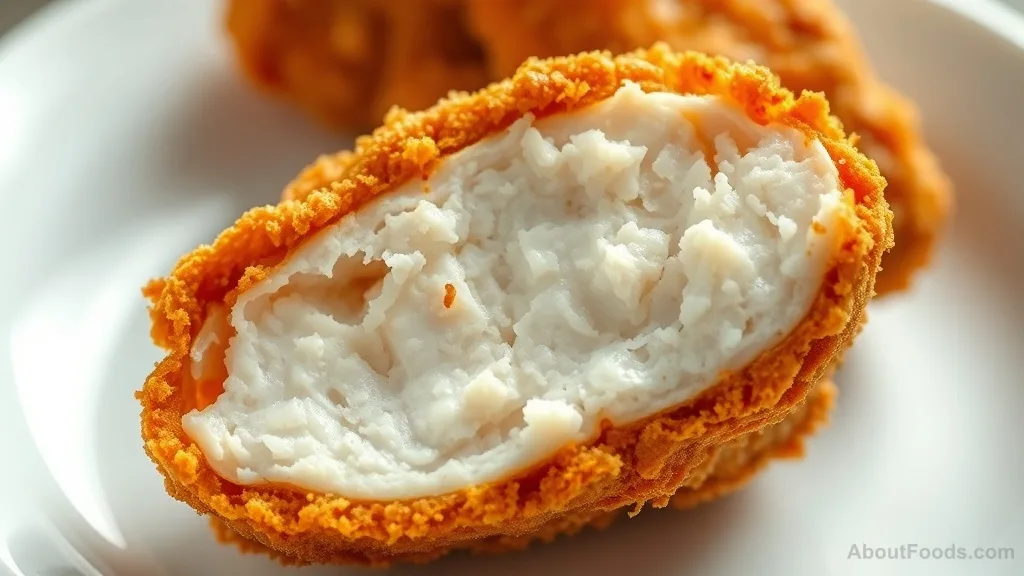
How Deep Frying Changes Flavor, Texture, and Cooking Results: A Science-Driven Guide
Deep frying transforms food through complex chemical reactions that create unique textures and flavors. This article explores the science behind moisture loss, oil absorption, crust formation, and Maillard browning to help you master the technique at home.
Read More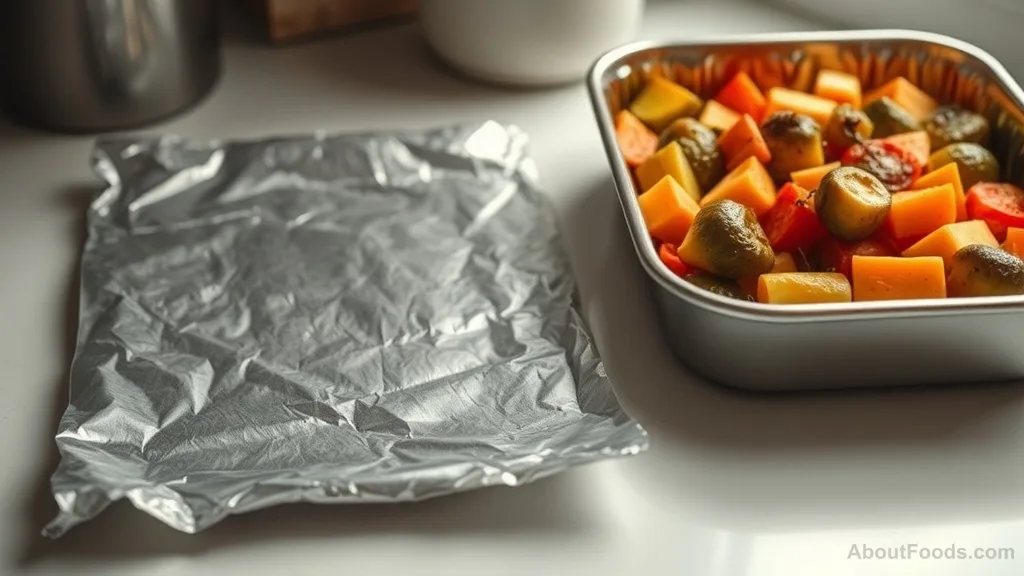
Does Cooking with Aluminum Foil Cause Alzheimer’s? The Science Behind the Myth
For decades, rumors have linked aluminum cookware and foil to Alzheimer’s disease. Here’s what the evidence actually says — and a few real kitchen risks you should know about instead.
Read More
Common Myth Busting Mistakes and How to Avoid Them: A Food Scientist’s Guide
Myth busting in food science is harder than it looks. Learn the most common pitfalls—from oversimplifying to ignoring context—and how to correct them with accuracy and respect.
Read More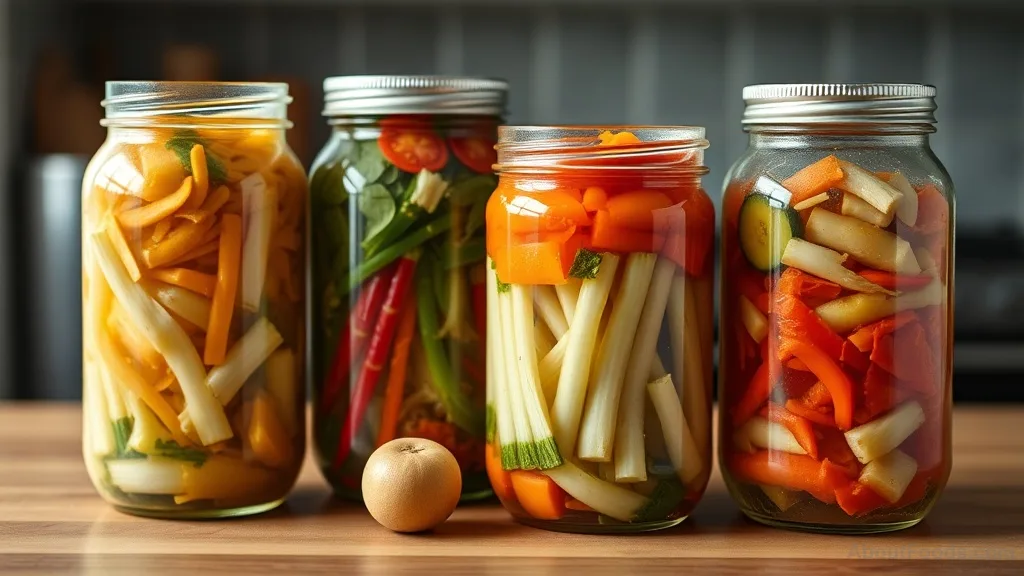
Fermentation Explained: What Home Cooks Need to Know
Fermentation transforms simple ingredients into something extraordinary. Discover the science behind the bubbles and how to harness this ancient technique at home.
Read More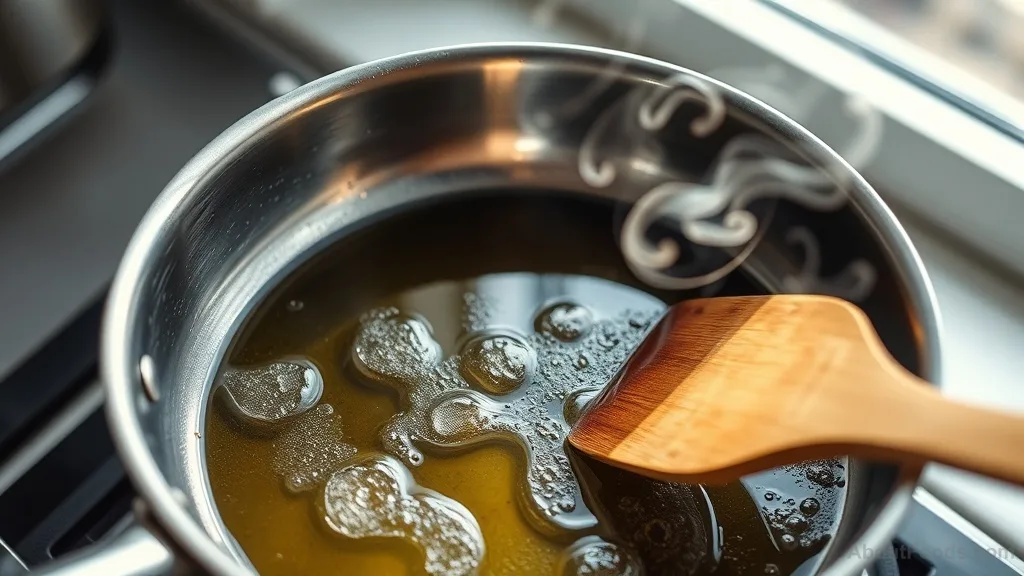
Everything Worth Understanding About Heat and Temperature
Heat and temperature are often confused, yet they govern every transformation in your kitchen. This article demystifies the science behind how energy flows and why it matters for cooking.
Read More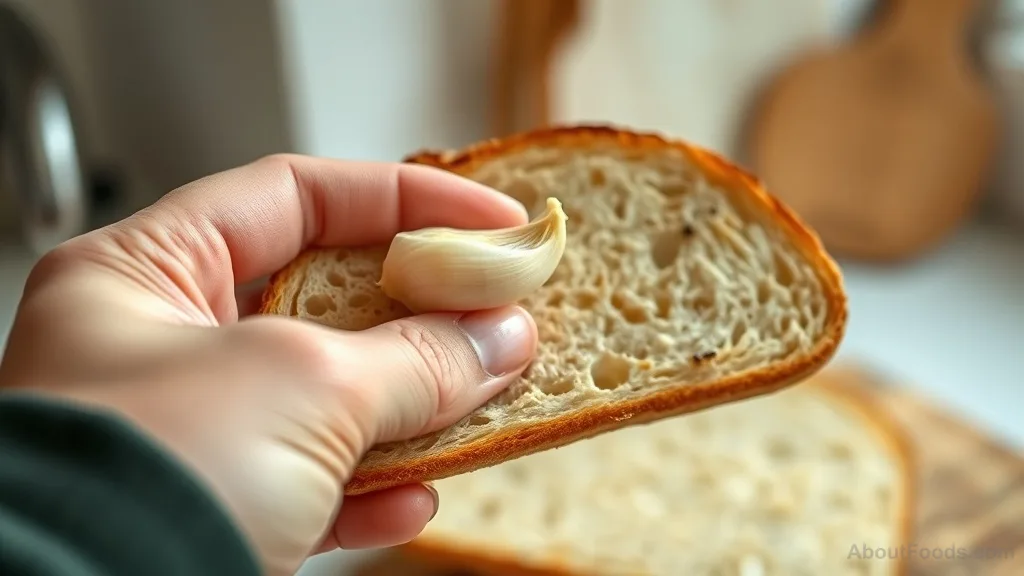
Does Rubbing a Cut Clove of Garlic on Bread Actually Impart Flavor?
We investigate whether the classic trick of rubbing a cut garlic clove on toast actually adds flavor, and how it compares to other garlic application methods from a food science perspective.
Read More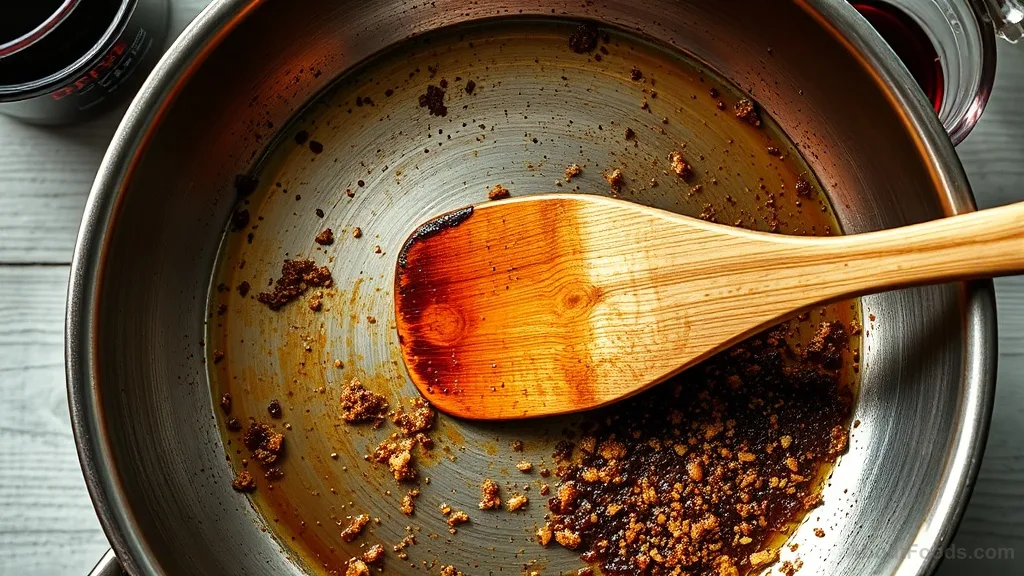
Does ‘Deglazing’ With Wine Actually Extract More Flavor Than Water?
We pit wine against water in a flavor extraction showdown. Spoiler: yes, wine does more, but not for the reasons you think. Let's get the science straight.
Read More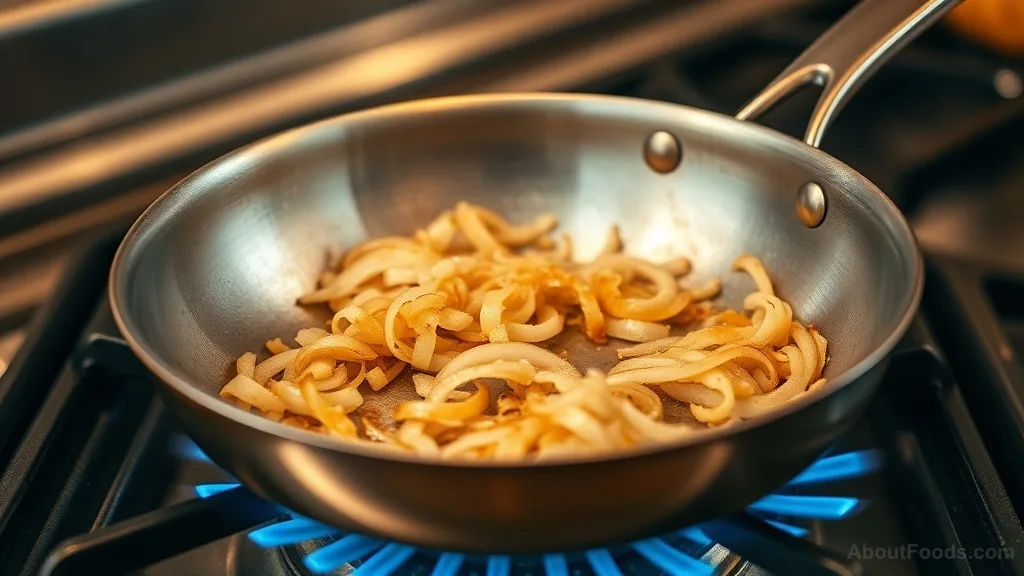
The Science Behind Heat and Temperature in Everyday Cooking
Heat and temperature are often confused, but understanding the difference unlocks better cooking. This article explains how heat transfers through conduction, convection, and radiation, and how temperature affects browning, protein denaturation, and texture. Practical tips for home cooks included.
Read More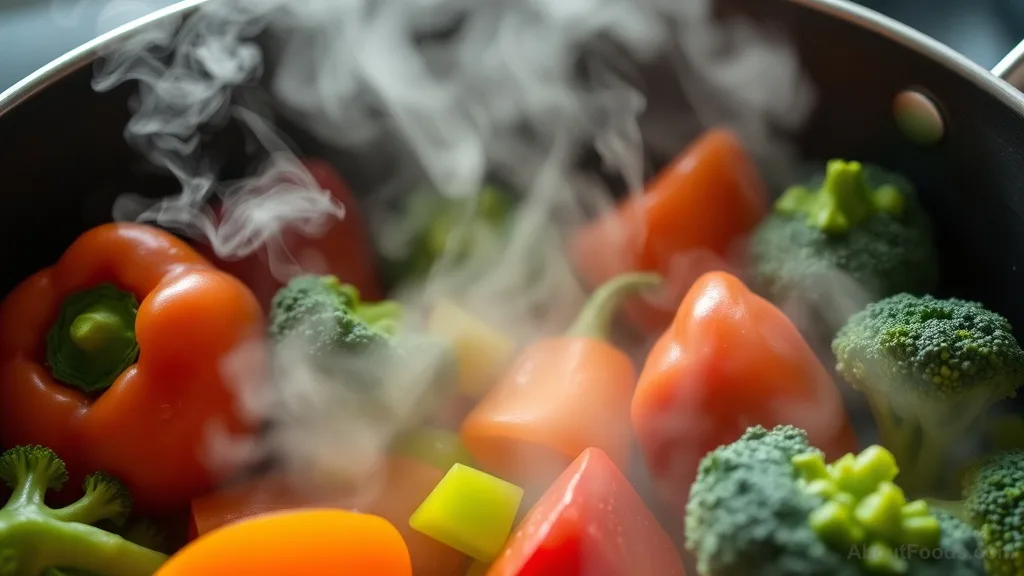
The Myth That ‘High-Heat Cooking Destroys All Enzymes’
Many home cooks believe that high heat wipes out all enzymes, making cooked food ‘dead.’ In reality, enzymes are just one factor in food quality, and cooking does more good than harm. Here’s the science on heat, enzymes, and nutrition.
Read More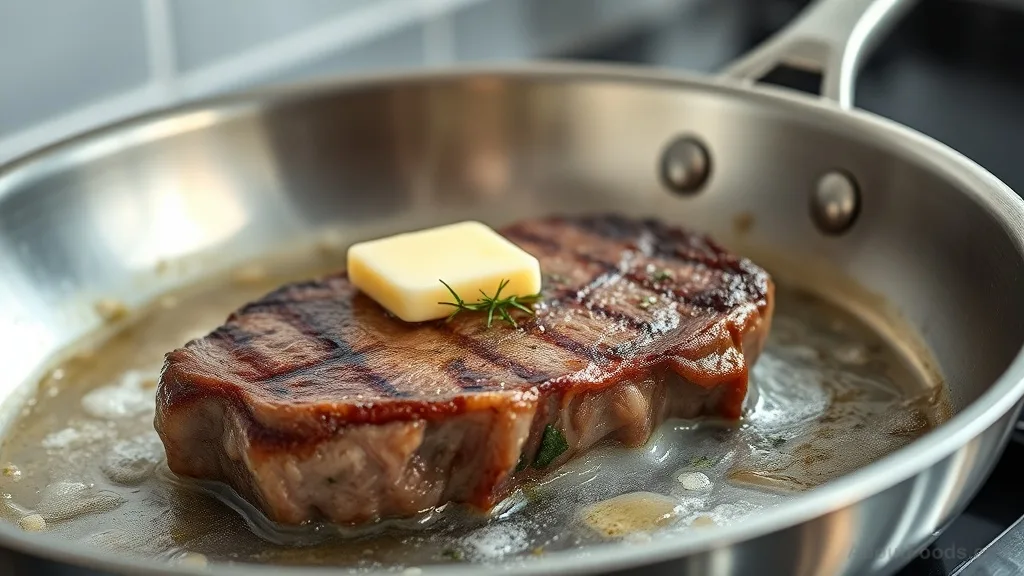
How Kitchen Techniques Change Flavor, Texture, and Cooking Results: A Science-Based Guide
Discover how simple cooking methods—from searing to braising—transform food at a molecular level, altering flavor, texture, and overall results. This guide explains the science behind everyday kitchen techniques to help you cook with confidence.
Read More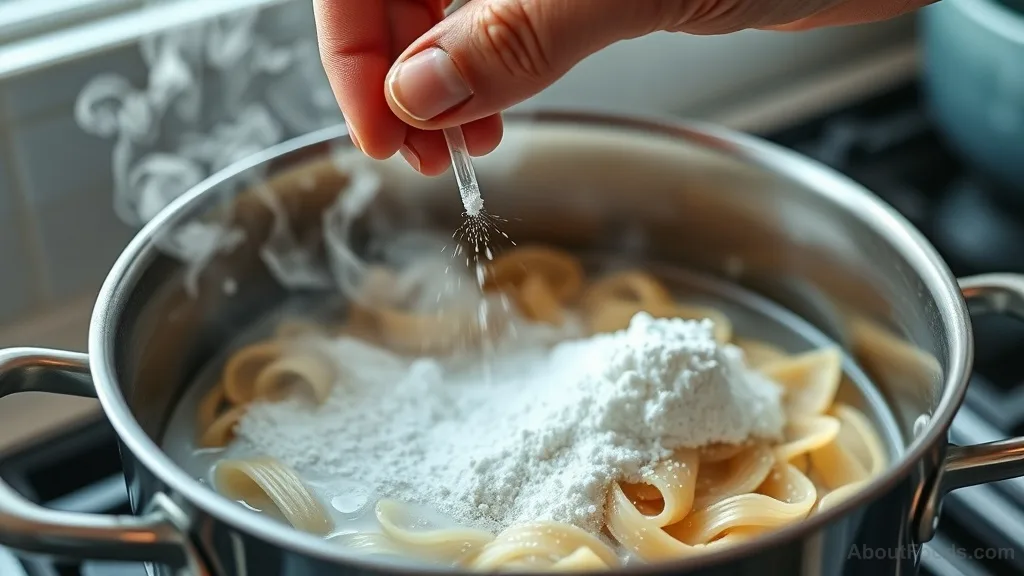
Fact vs. Fiction: Does ‘Baking Soda in Pasta Water’ Make It More Alkaline?
We examine the claim that adding baking soda to pasta water makes it more alkaline, improving texture and flavor. The science behind pH, alkalinity, and pasta chemistry reveals the truth.
Read More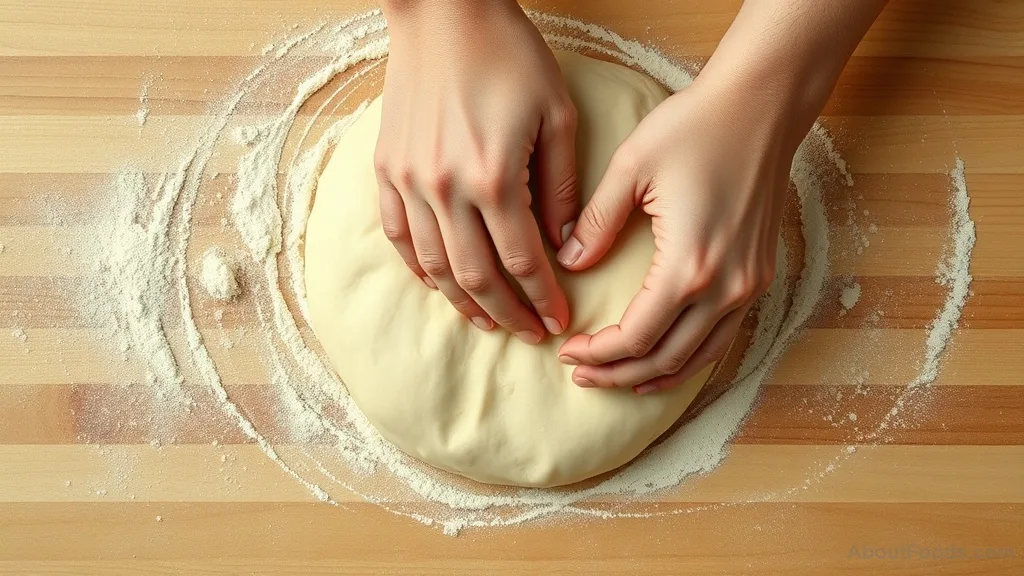
Common Baking and Dough Mistakes—and How to Fix Them with Science
Baking is chemistry you can eat, but small missteps can ruin texture, rise, or structure. This article covers the most frequent dough and baking errors and explains the science behind each fix, so you can bake with confidence.
Read More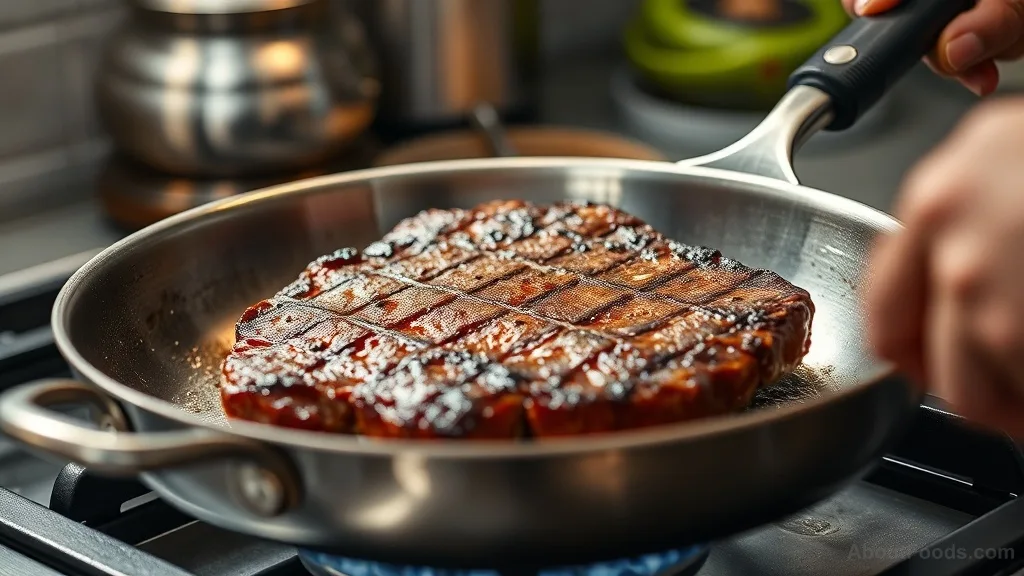
How Myth Busting Transforms Flavor, Texture, and Cooking Results
Many cooking myths persist because they sound logical, but science tells a different story. This article reveals how letting go of common misconceptions can dramatically improve your food's flavor, texture, and overall success in the kitchen.
Read More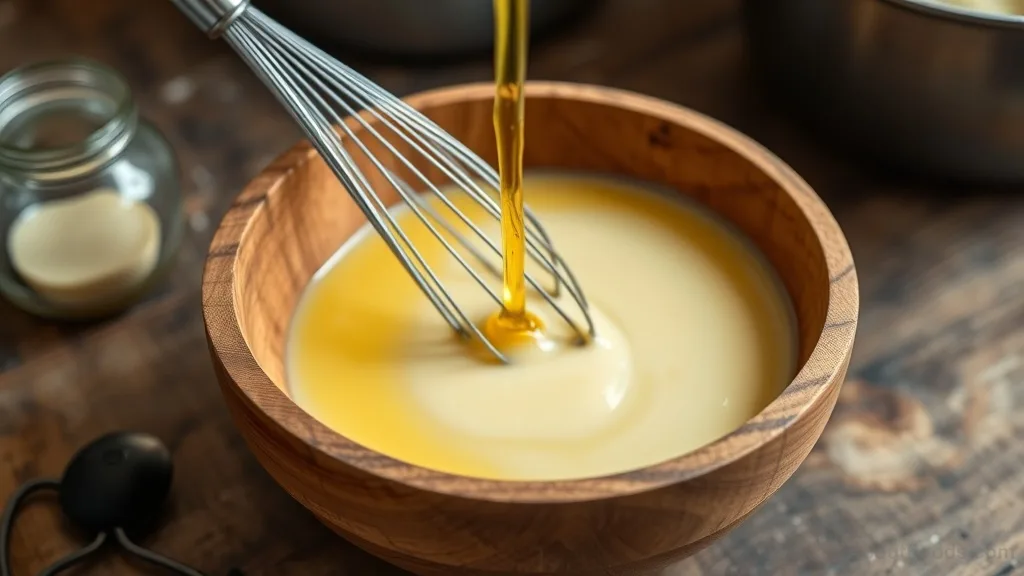
Fats and Emulsions vs Guesswork: What Actually Matters
Stop guessing why your vinaigrette breaks or your sauce splits. This article explains the science of fat structure, emulsion stability, and temperature control so you can cook with confidence.
Read More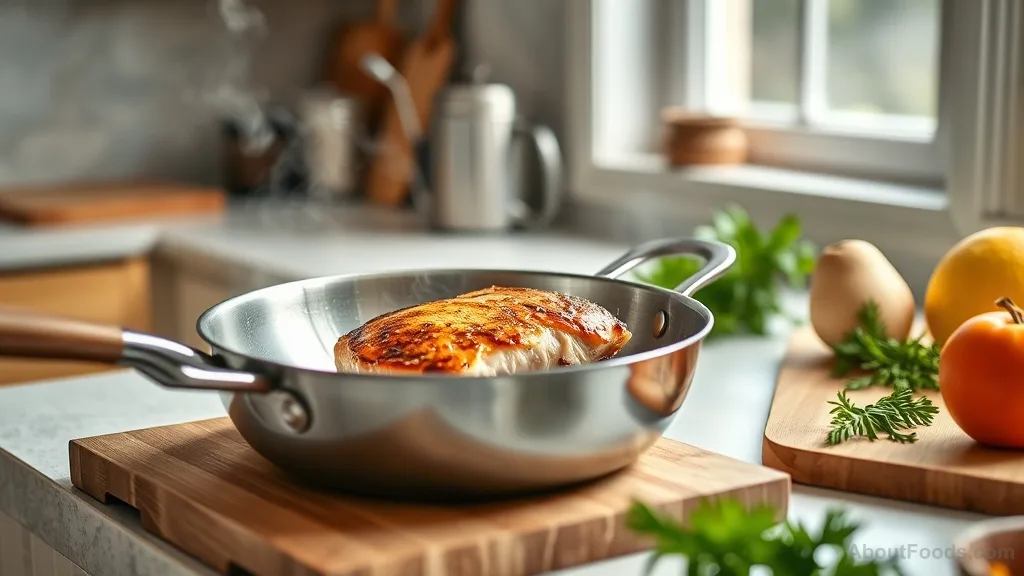
A Practical Guide to Deep Dive for Better Results in the Kitchen
Learn how to move beyond surface-level cooking and truly understand the science behind heat, moisture, and ingredients. This guide shows you how a deeper approach—observing, testing, and adapting—leads to consistently better results.
Read More
When Food Safety and Preservation Helps and Hurts Your Recipe
Learn how common food safety and preservation practices like pasteurization, refrigeration, and preservatives can improve or damage your dish—and how to strike the right balance at home.
Read More
Why You Should Stop Blending Your Soups Too Much (Emulsion Breakdown)
Over-blending can ruin the texture of creamy soups by shearing apart emulsified fats. Learn the science of emulsion breakdown and how to achieve the perfect velvety consistency without turning your soup into a watery mess.
Read More
When Heat and Temperature Helps and When It Hurts Your Recipe
Heat transforms raw ingredients into something delicious—or ruins them. Learn how temperature impacts flavor, texture, and structure, and discover when to turn up the heat and when to keep it cool.
Read More
Kitchen Techniques vs Guesswork: What Actually Matters
Stop guessing and start cooking with confidence. We break down the core kitchen techniques that genuinely affect your food, backed by food science.
Read More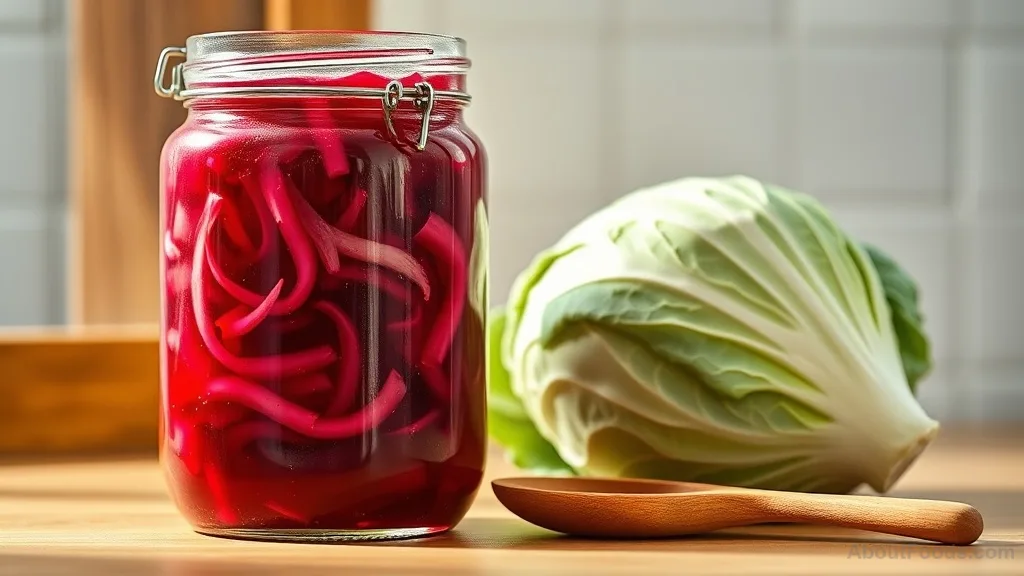
When Fermentation Helps and When It Hurts Your Recipe
Fermentation can elevate flavors, improve texture, and boost shelf life, but if conditions go wrong, it can ruin your dish. Learn which fermentations are worth the risk and how to avoid the most common pitfalls.
Read More
Myth Busted: Why Cold Water Does Not Boil Faster Than Hot Water
It's a common kitchen saying, but does cold water really boil faster than hot? Science says no—hot water always wins. In this article, we debunk the myth with clear physics, explain why it persists, and share practical kitchen insights for home cooks.
Read More
Does a Roux Actually Need to Be Cooked Until Brown for Flavor?
A roux doesn't have to be brown to be flavorful. The color determines the flavor profile and thickening power, and each shade—from white to dark brown—has its ideal use.
Read More
How to Use Fermentation to Improve Taste and Texture
Harness the power of fermentation to transform simple ingredients into complex, umami-rich foods with improved texture. This guide explains the science behind fermentation and offers practical tips for home cooks.
Read More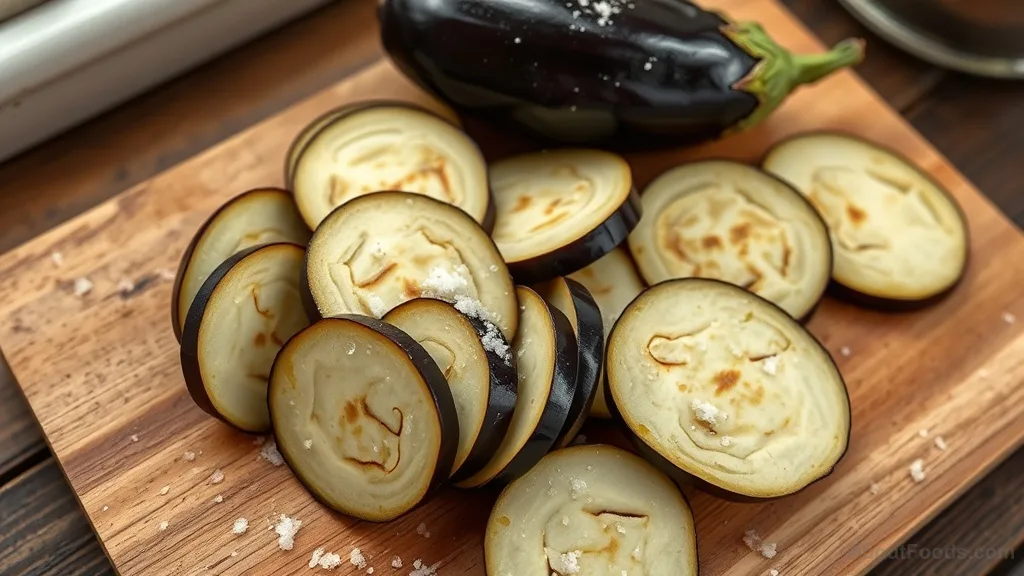
Does Salting Eggplant Remove Bitterness, or Just Waste Time?
We investigate the science behind salting eggplant—whether it truly removes bitterness or is an unnecessary step. Spoiler: modern eggplants rarely need it, but salting still has benefits.
Read More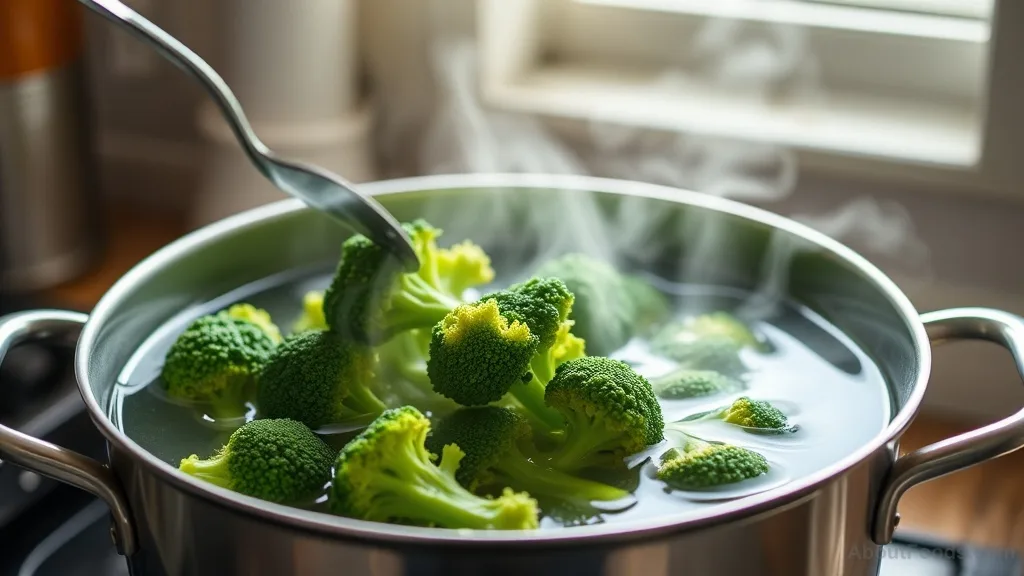
Fact vs. Fiction: Does Blanching Vegetables Really Lock in Color?
Blanching can help vegetables retain bright color, but the science involves more than just a quick dip. Learn when and how blanching works, what it actually does to pigments, and which methods preserve color best.
Read More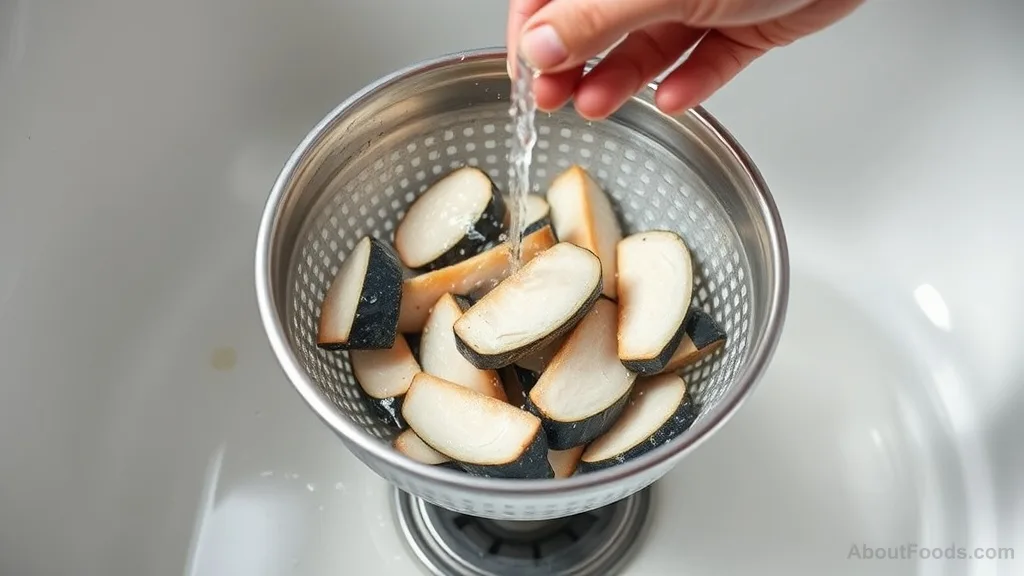
Does Rinsing Canned Tuna Remove Healthy Omega-3s? We Ask the Science
Curious if rinsing canned tuna strips away the omega-3s you paid for? We investigate the chemistry and the myth, so you can drain, rinse, or skip without guilt.
Read More
When Baking and Dough Helps and When It Hurts Your Recipe
Baking develops flavor and structure in doughs and batters, but excessive heat or duration can ruin your recipe. Learn the science behind optimal baking and when to step away from the oven.
Read More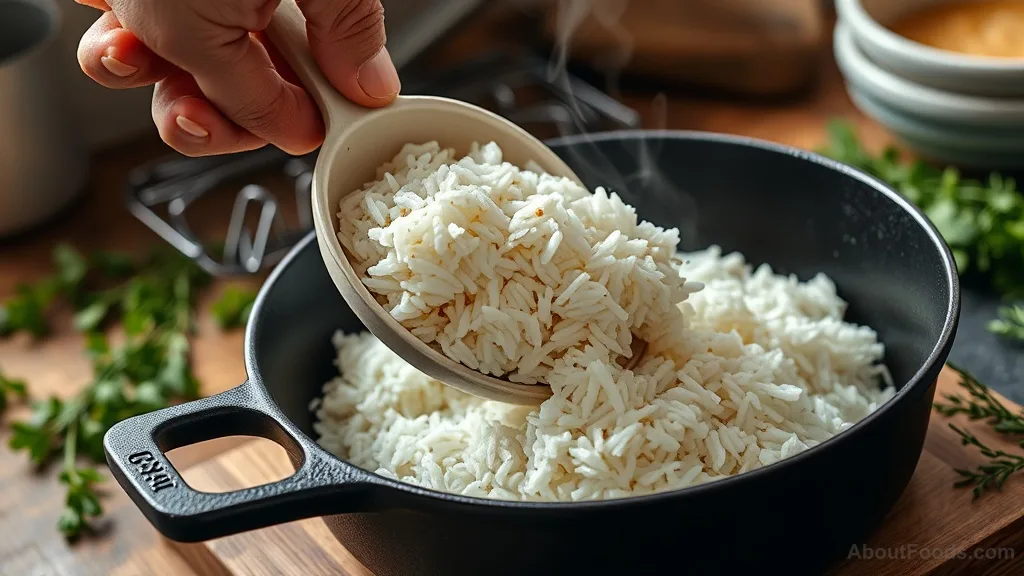
Is It Dangerous to Reheat Rice? The Bacillus cereus Breakdown
Reheating rice can be safe if done correctly, but improper storage and reheating may lead to food poisoning from Bacillus cereus spores. This article explains the science behind the risk and offers practical steps to enjoy leftover rice without worry.
Read More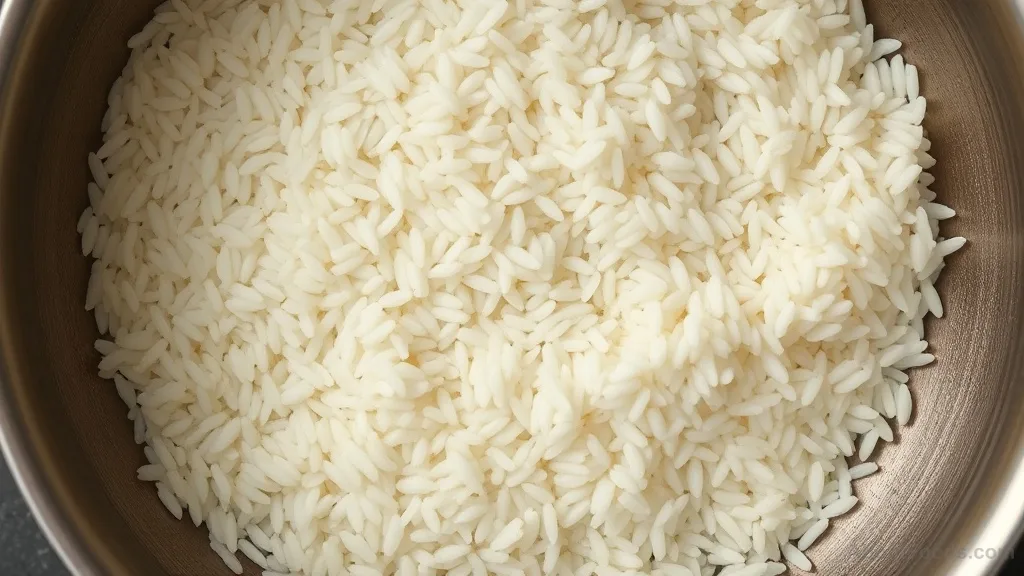
Does Toasting Rice Before Cooking Add Flavor or Just Burn It? The Science of Toasted Rice
Toasting rice before cooking does add nutty, toasty flavor—but only if you control the heat and timing. Overdo it, and you'll introduce bitter burnt notes. This article explains the science behind toasting, practical techniques for perfect results, and common mistakes to avoid.
Read More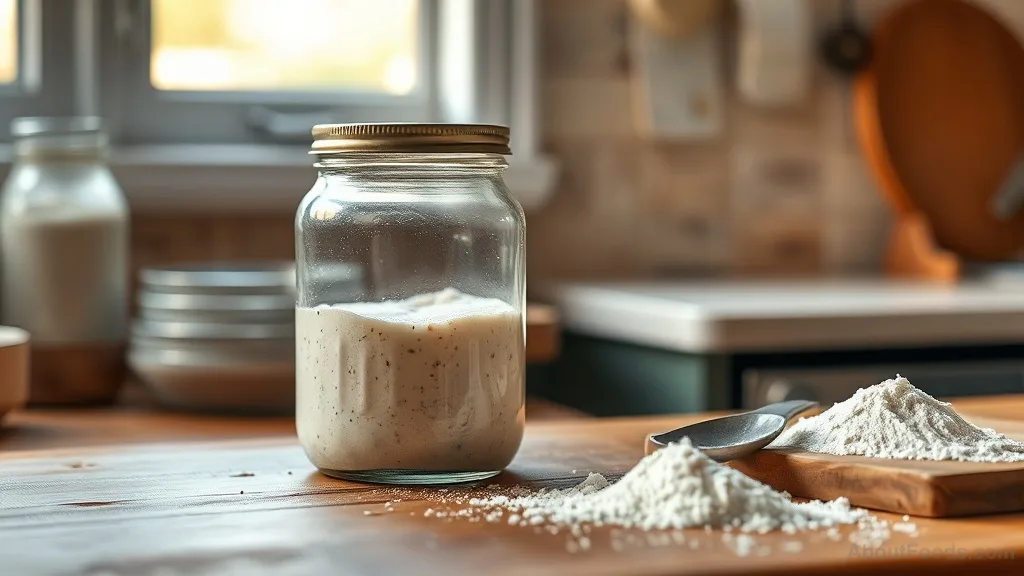
Myth: You Must ‘Degas’ Your Sourdough Starter Every Day
Many believe that daily degassing is essential to a healthy sourdough starter. In reality, nature has its own rhythm. Here’s why gentle feeding matters more than forceful degassing.
Read More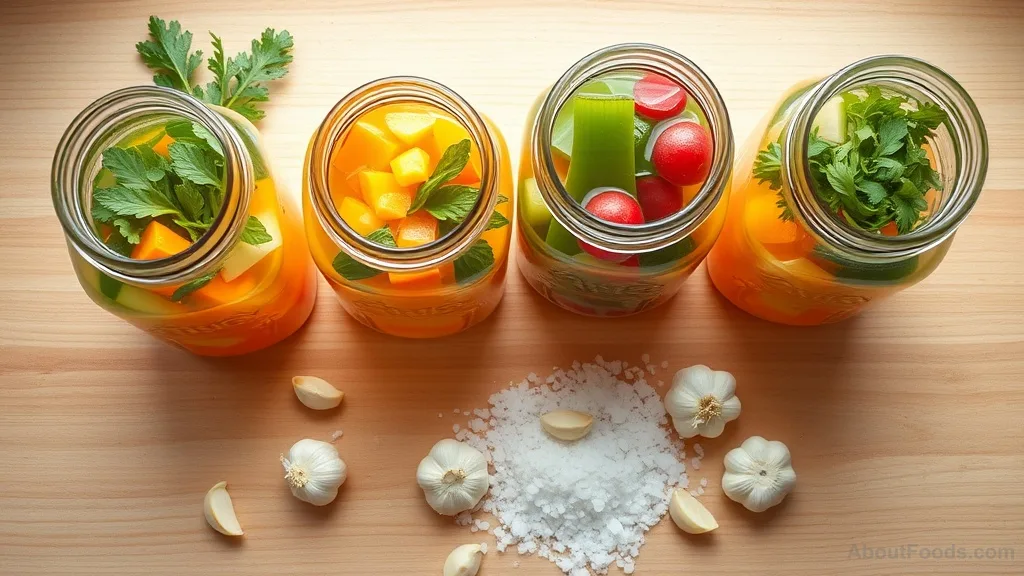
Fermentation vs Guesswork: What Actually Matters
Many home ferments fail because of guesswork. Learn the few critical variables—salt concentration, temperature, and oxygen control—that separate success from spoilage.
Read More
When Ingredient Behaviour Helps and When It Hurts Your Recipe
Learn how ingredients like eggs, fats, acids, and starches behave in cooking—and how their interactions can either lift a dish or lead to disaster. This article explains the science behind common kitchen successes and failures, with practical tips for home cooks.
Read More
The Truth About 'Wild' vs. 'Farmed' Salmon — Is One Really Cleaner?
Explore the real differences between wild and farmed salmon, from contaminants and omega-3s to sustainability and safety, with science-backed clarity.
Read More
Does Adding Baking Soda to Beans Really Reduce Gas?
The practice of adding baking soda to beans to reduce gas is a common kitchen myth. While it can help break down some of the gas-causing compounds, it comes with significant trade-offs in texture, flavor, and nutrition. Here's what the science says and what actually works.
Read More
How Proteins and Structure Can Transform Your Cooking: Taste and Texture Secrets
Learn how the science of protein denaturation, coagulation, and gelation can help you master everything from juicy meat to silky custards.
Read More
Why You Should Stop Believing ‘MSG Causes Headaches’ (It Doesn't)
For decades, MSG has been blamed for headaches and other symptoms, but the science says otherwise. This myth-busting article explains what MSG really is, why the fear started, and why you can enjoy it without worry.
Read More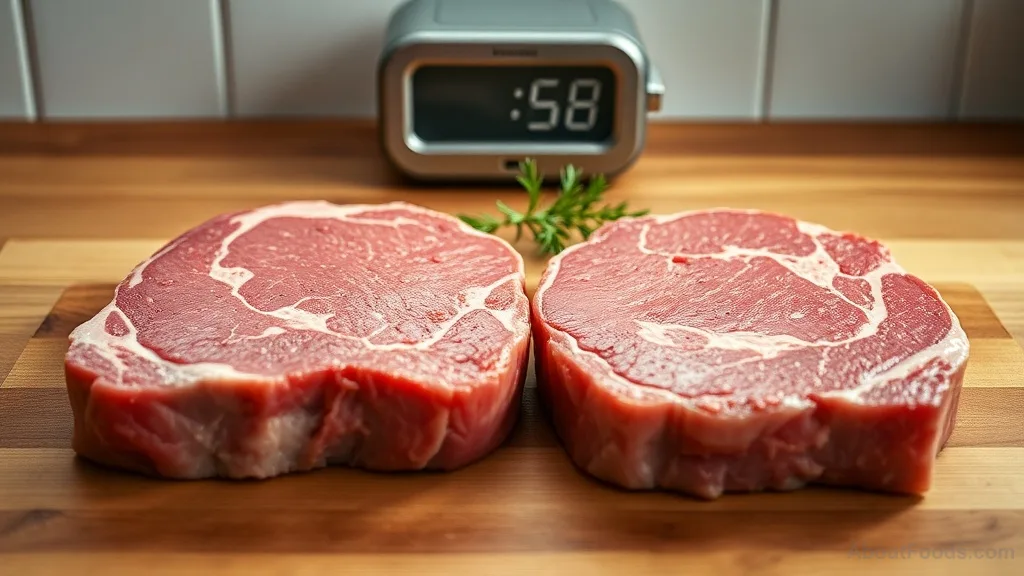
Why 'Bring Meat to Room Temperature Before Cooking' Is Mostly Pointless
The advice to let meat sit out for 30 minutes to warm up is one of cooking's most persistent myths. Here's why it doesn't work and what actually matters for even cooking and a good sear.
Read More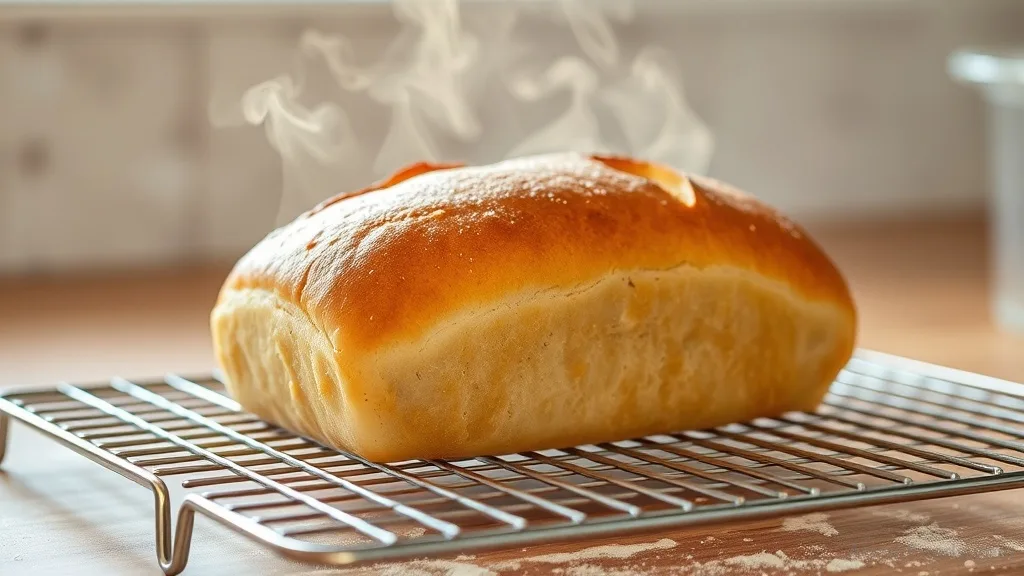
Does Resting Bread Before Slicing Actually Keep It From Getting Gummy?
Yes, resting bread after baking prevents a gummy crumb. We explain the science of starch retrogradation and moisture migration so you know exactly why waiting matters.
Read More
When Proteins and Structure Help and When They Hurt Your Recipe
Proteins give baked goods, custards, and meats their shape and texture—but the same chemistry that builds structure can also turn it tough, rubbery, or dry. Learn when to encourage protein networks and when to gently break them down.
Read More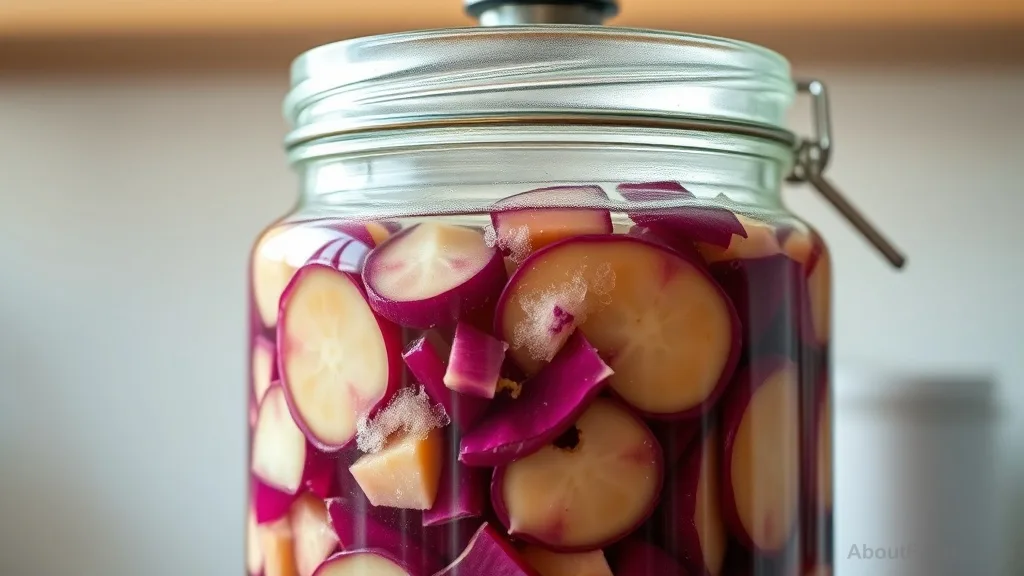
Why You Should Stop ‘Burping’ Your Fermentation Jars
If you've been regularly uncapping your sauerkraut or pickle jars to release pressure, you might actually be harming your ferment. Here's why continuous burping introduces oxygen, disrupts anaerobic conditions, and invites spoilage—and what to do instead.
Read More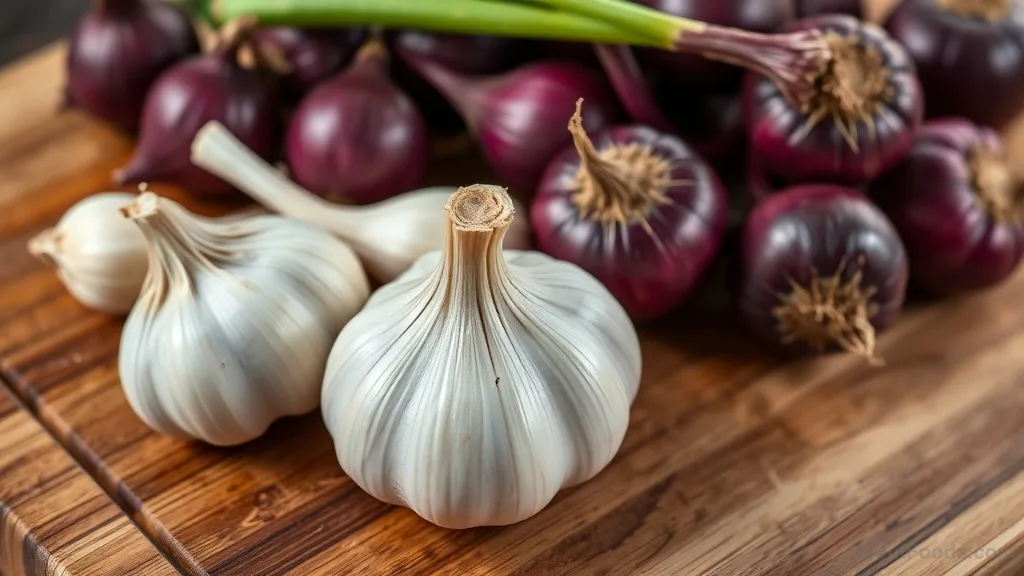
Why 'Never Use Garlic and Shallots Together' Is Pure Nonsense
The rule that garlic and shallots should never be cooked together is a myth with no scientific basis. In fact, they complement each other beautifully in many dishes. This article debunks the myth, explains the chemistry behind their flavors, and shows you exactly when and how to pair them for the best results.
Read More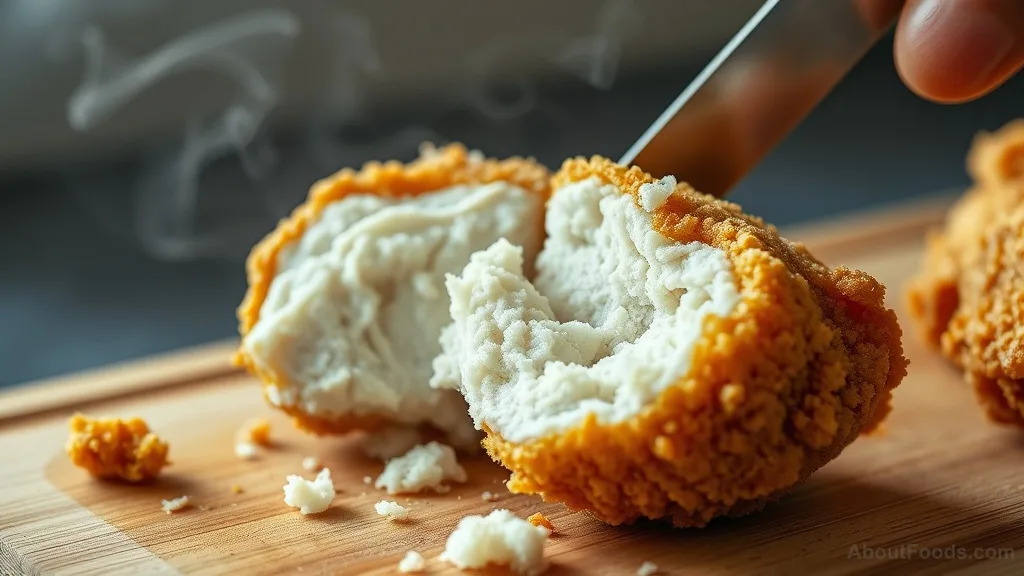
The Science Behind Texture and Mouthfeel in Everyday Cooking
From crispy coatings to silky sauces, texture and mouthfeel are crucial to how we experience food. This article breaks down the key scientific principles—emulsions, gels, foams, and more—that home cooks can use to master textures in everyday dishes.
Read More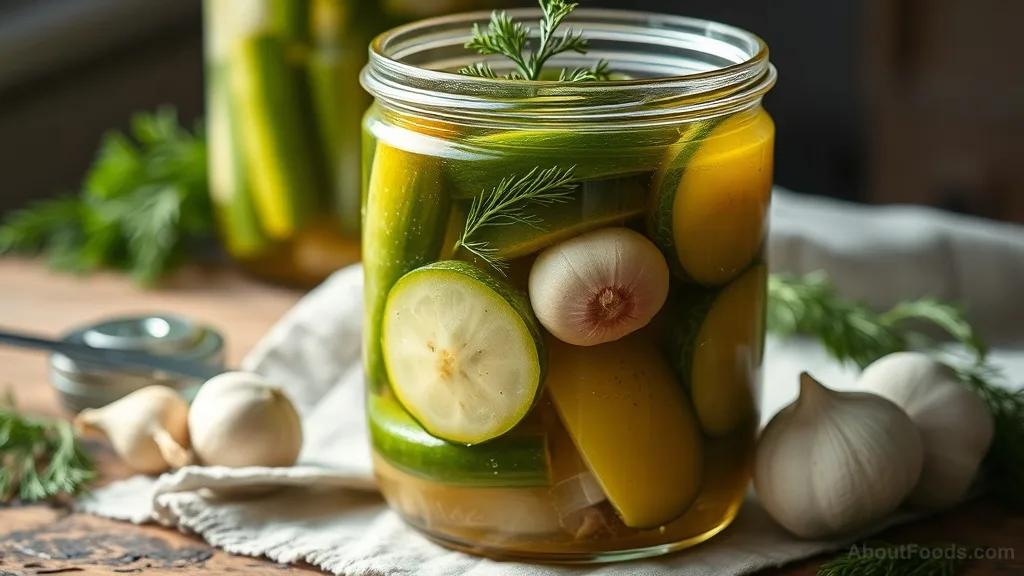
How Food Safety and Preservation Changes Flavor, Texture, and Cooking Results
Food preservation methods—from brining to freezing—don't just keep food safe; they fundamentally alter its chemistry, changing flavor, texture, and how it behaves in the kitchen. Learn how these techniques work and how to use them for better cooking.
Read More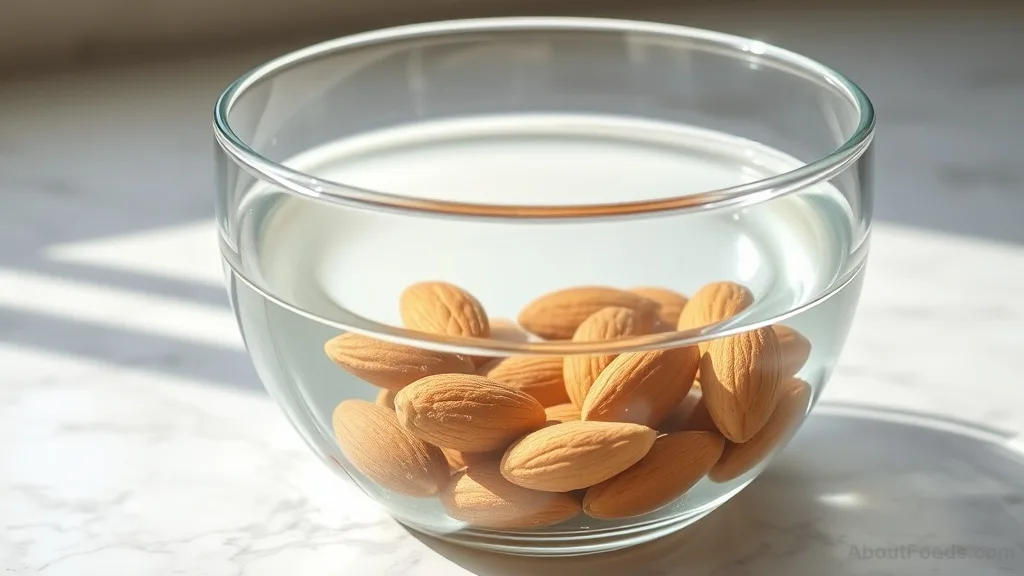
Does Soaking Nuts ‘Activate’ Enzymes? A Food Scientist Fact-Checks the Trend
Many wellness sources claim that soaking nuts removes enzyme inhibitors and activates beneficial enzymes. We dive into the food science to separate myth from reality—and tell you what soaking actually does for texture, flavor, and digestibility.
Read More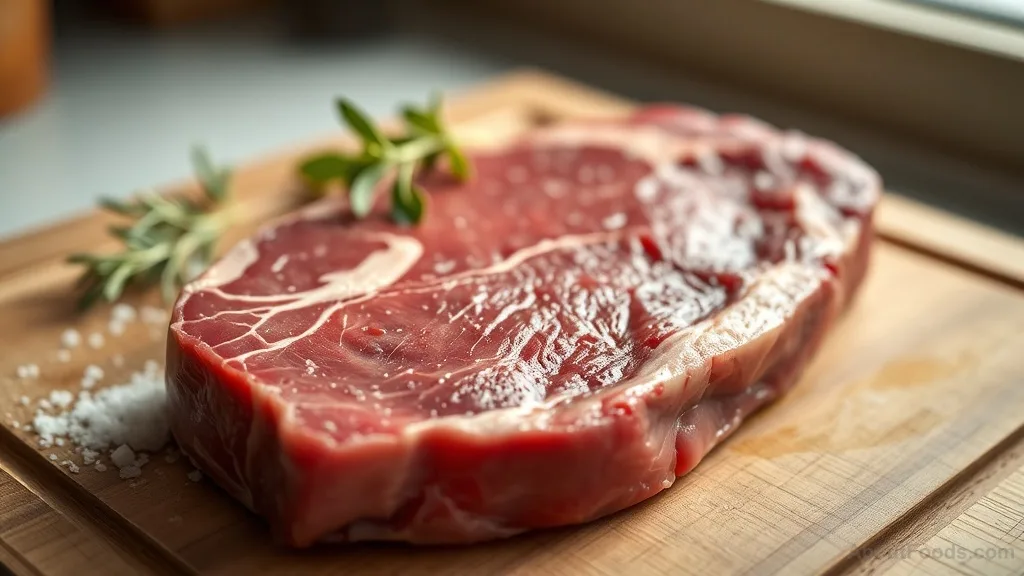
Proteins And Structure vs Guesswork: What Actually Matters in the Kitchen
Stop guessing why your steak turned out tough or your custard curdled. In this article, we explore the science of protein structure—how heat, acid, and salt change proteins—and reveal a few common myths that even experienced cooks get wrong.
Read More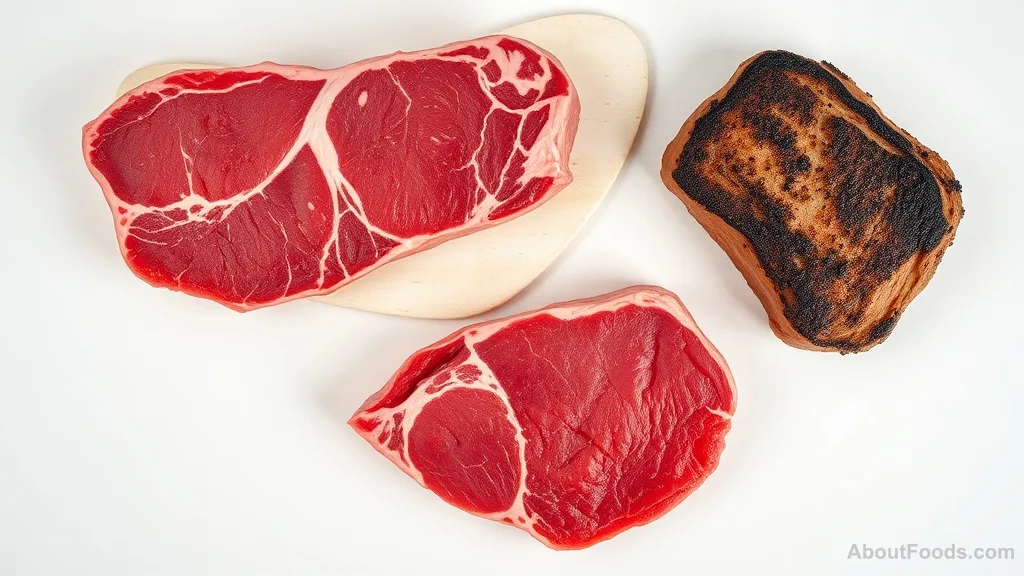
Myth Busting Explained: What Home Cooks Need to Know
Home cooking is full of folklore passed down as gospel. This article separates fact from fiction by tackling popular kitchen myths with real food science, giving you practical, evidence-based tips to improve your cooking.
Read More
Unpacking the Steak Resting Myth: Does Resting Really Keep the Juice In?
You’ve likely heard that if you don’t rest your steak, all the juices will run out. This article examines the science behind meat resting and reveals how much of that advice is truly essential for a juicy steak.
Read More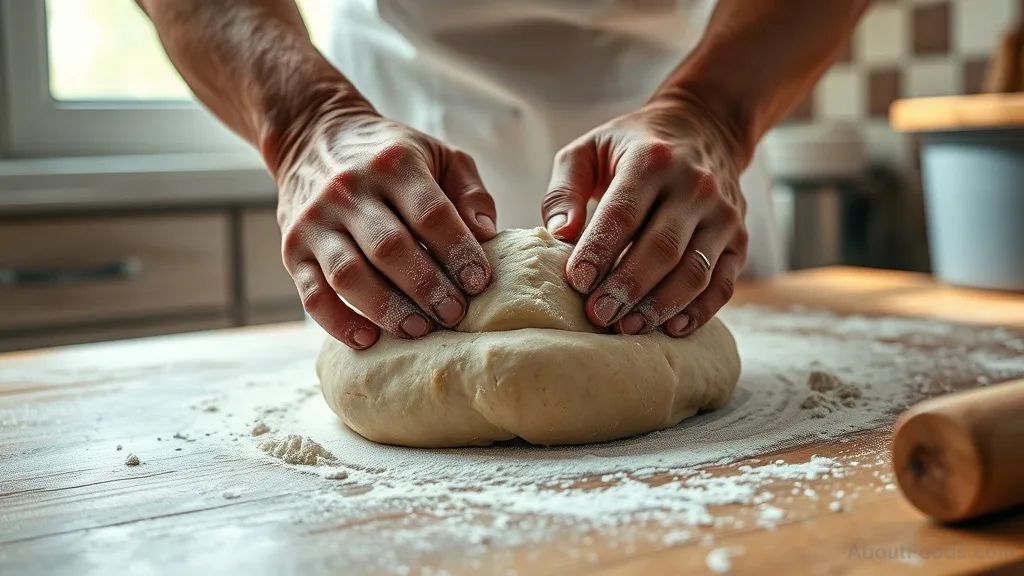
Everything Worth Understanding About Baking and Dough
From gluten development to leavening agents, this guide unpacks the science behind baking and dough so you can bake with confidence and better results every time.
Read More
Fats and Emulsions Explained: What Home Cooks Need to Know
Understand the science of fats and emulsions to stabilize vinaigrettes, create creamy sauces, and improve texture in everyday cooking—no lab coat required.
Read More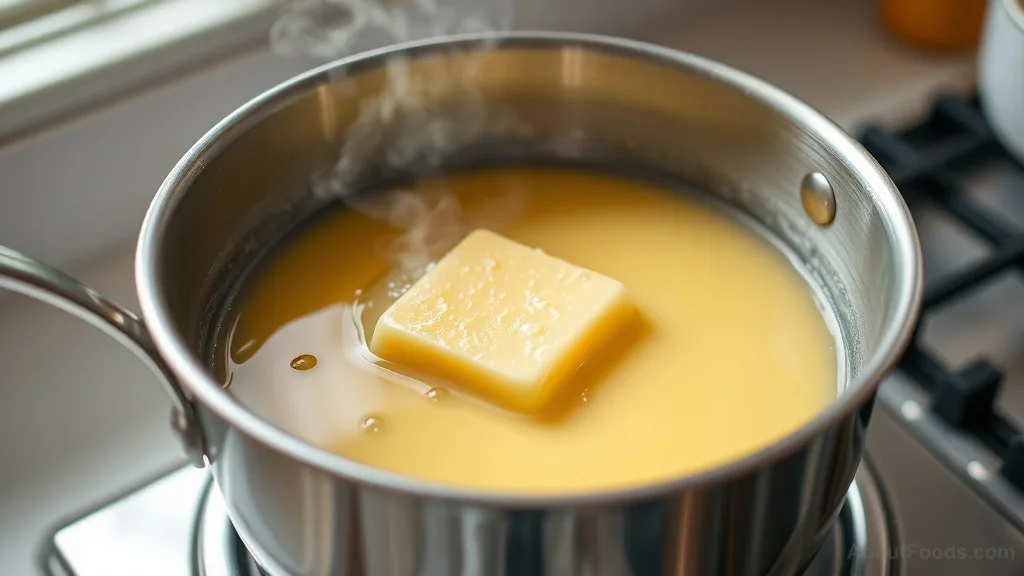
The Great ‘Brown the Butter’ Lie — Does It Actually Change Flavor?
Browning butter does alter its flavor—but not for the reasons most recipes claim. This article breaks down the real science of Maillard reactions versus caramelization, tells you exactly what flavors you’re actually getting, and helps you decide if it’s worth the extra step.
Read More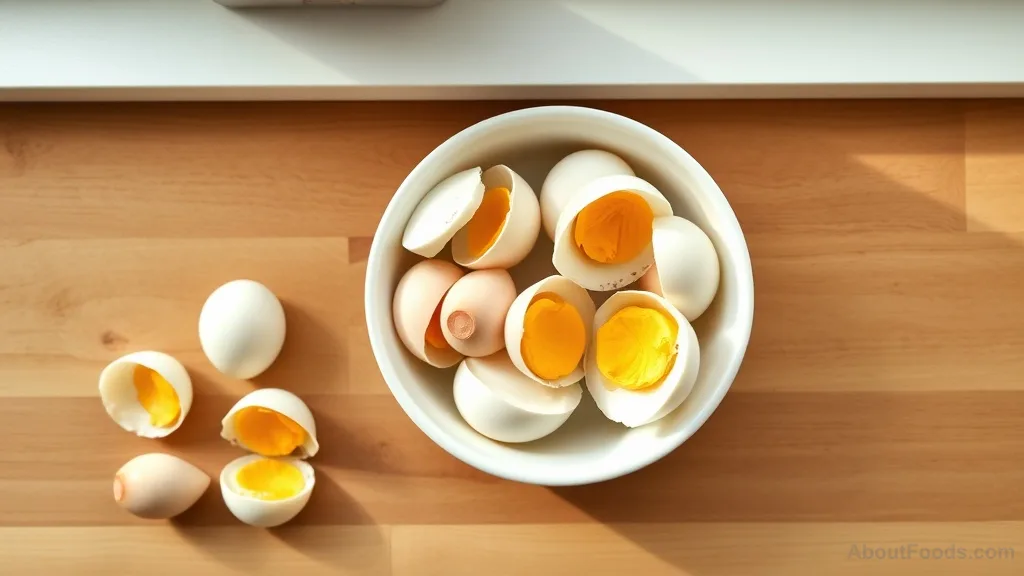
Baking Soda in Boiled Eggs: Science Shows It Doesn’t Help Peeling
Adding baking soda to the water when boiling eggs is a common kitchen trick, but science explains why it doesn't actually make them easier to peel. The pH change only affects the albumen, not the stubborn membrane. Here’s the real reason fresh eggs are harder to peel, and what you can do about it.
Read More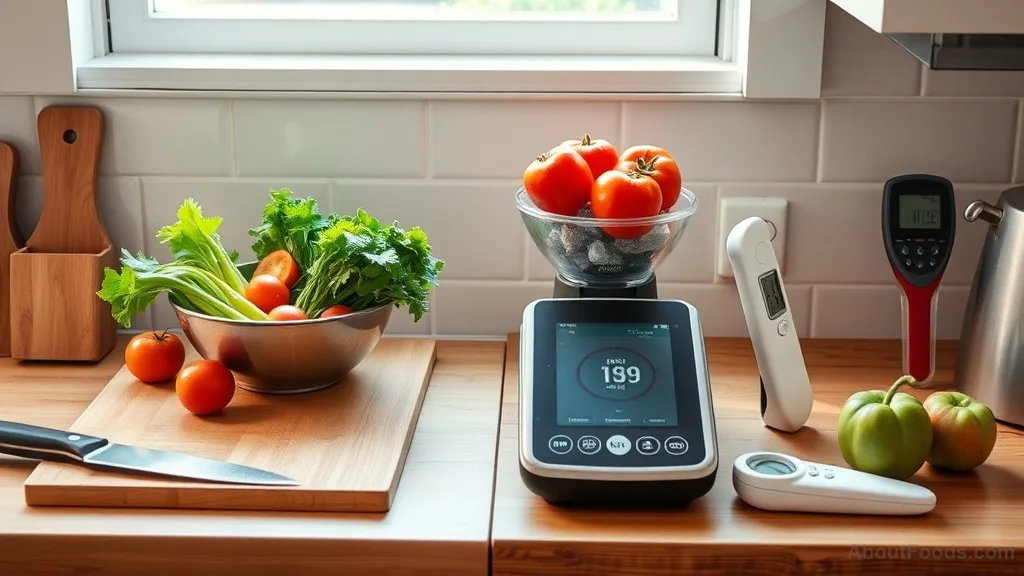
Deep Dive vs. Guesswork: What Actually Matters in the Kitchen
Stop guessing and start cooking with confidence. This article cuts through the noise, explaining exactly which kitchen variables deserve your attention—and which ones you can safely ignore.
Read More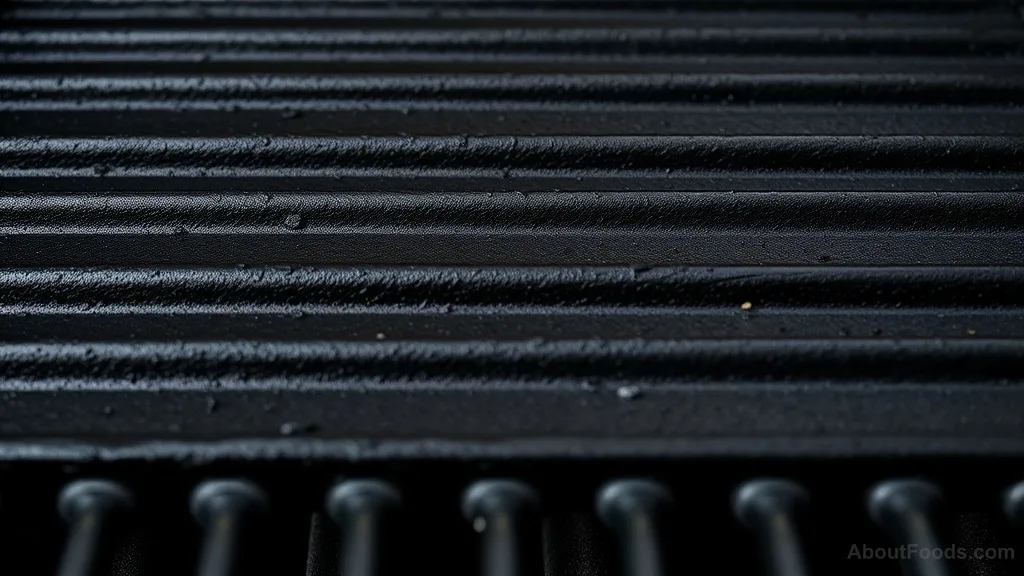
The Myth of the 'Clean' Grill Grate — Should It Really Be Spotless?
Does a grill grate need to be perfectly clean? No. Black carbonized seasoning is flavor; grey ash is not. Here's the science of when to scrub and when to leave it.
Read More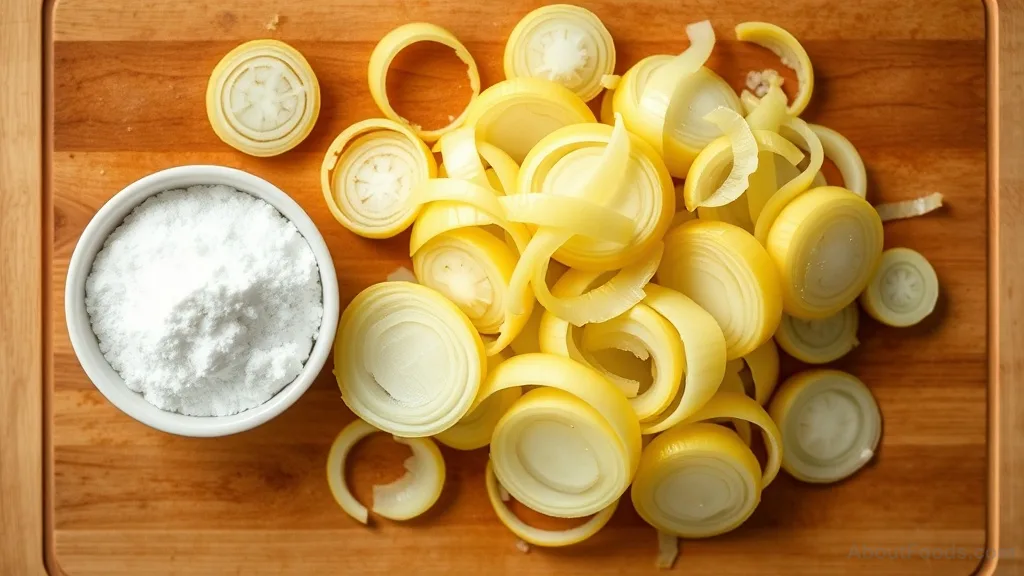
Does Adding Baking Soda to Onions Make Them Brown Faster? A Chemistry Test
We investigate the claim that a pinch of baking soda speeds up onion browning. Through the lens of food chemistry, we explain why it works (but with a trade-off) and how to do it right.
Read More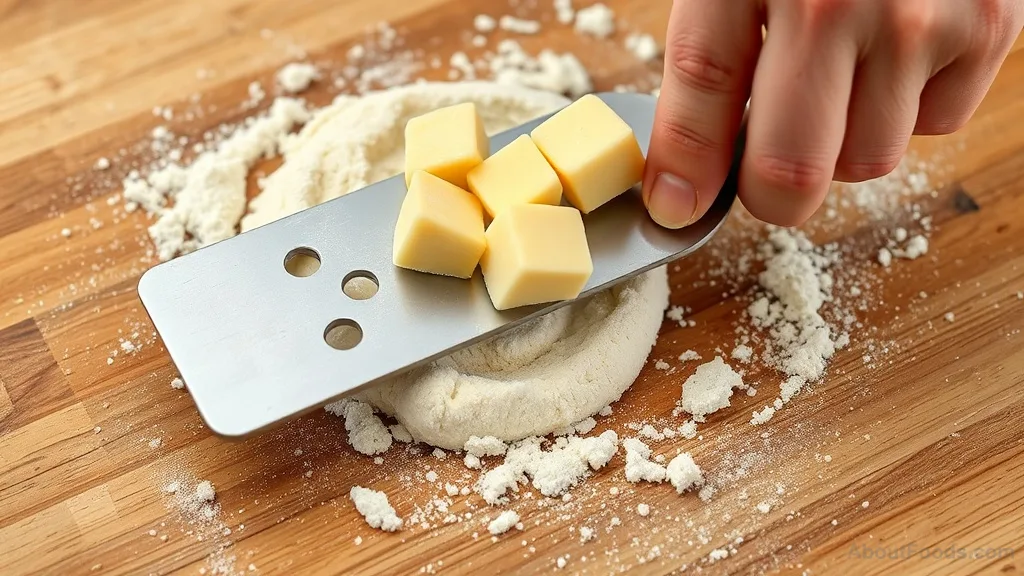
Common Ingredient Behaviour Mistakes and How to Avoid Them
Learn the science behind common ingredient mistakes in the kitchen—from overworking pastry to scorching oil—and discover how small tweaks can transform your cooking.
Read More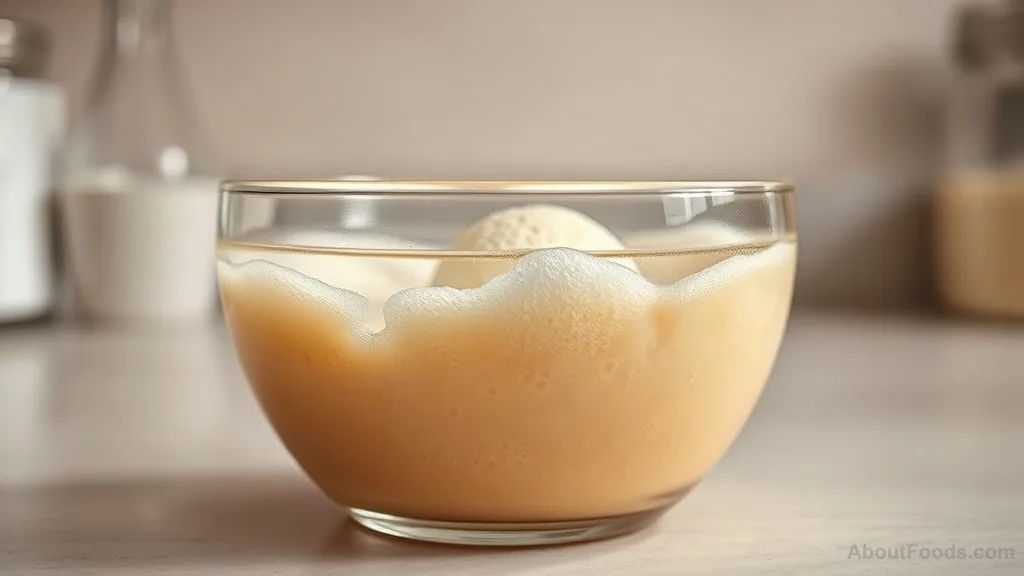
Does Proofing Yeast in Water with Sugar Actually Help? The Science Behind Starter Tests
The common practice of proofing yeast in warm water with sugar is often misunderstood. We explain the science, when it matters, and when it’s just wasted sugar.
Read More
When Fats and Emulsions Help and When They Hurt Your Recipe
Fats and emulsions can elevate a dish or ruin it. Learn the science behind why they work in some recipes but fail in others, with practical tips to control texture, stability, and flavor.
Read More
The Myth of 'Balanced Flavors' — Why Sweet, Sour, Salty Isn't a Law
The classic Western flavor triangle—sweet, sour, salty—is a useful starting point, not a recipe law. This article explores the science of flavor balance across global cuisines, reveals why umami and heat matter, and gives home cooks practical tools to create harmony in any dish.
Read More
How to Use Browning Reactions to Improve Taste and Texture: A Home Cook's Guide
Browning reactions like Maillard and caramelization are the key to deep flavor and satisfying texture in your cooking. Learn how to master heat, timing, and technique for better roasts, sears, and bakes.
Read More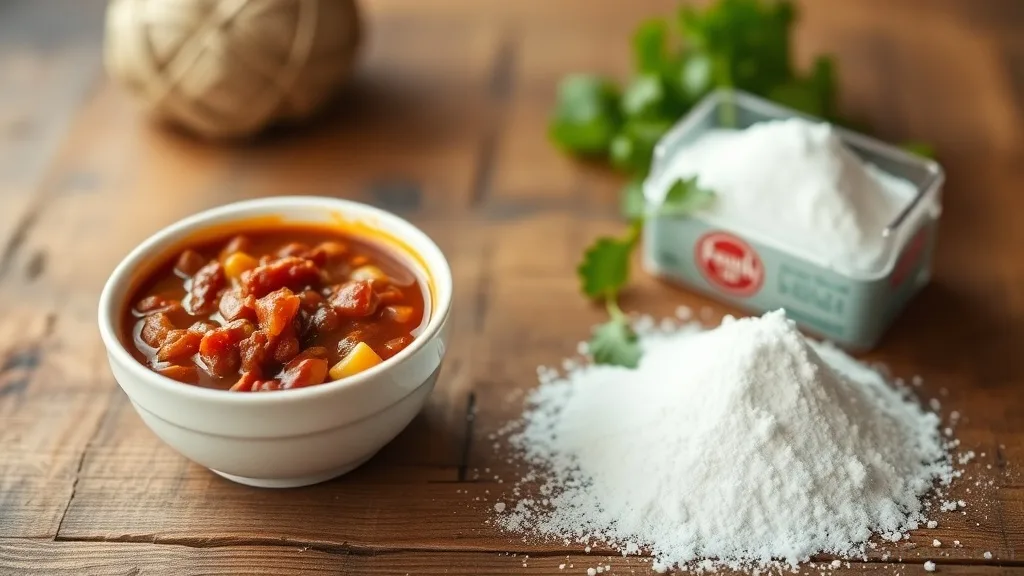
Does Adding Baking Soda to Chili Reduce Acidity, or Just Make It Weird?
Adding baking soda to chili neutralizes acidity through a base-acid reaction, but it can also introduce undesirable textures and flavors if done incorrectly. This article explains the science, the trade-offs, and the right way to use baking soda to balance your chili.
Read More
How Fats and Emulsions Transform Flavor, Texture, and Your Cooking
Fat is a foundational flavor carrier and texture shaper. Understanding emulsions unlocks silky sauces, tender baked goods, and well-balanced dishes. Let's explore the science—and the Turkish kitchen wisdom behind it.
Read More
How Myth Busting Can Instantly Improve Taste and Texture: A Science-Backed Guide
Stop wasting time with common kitchen myths. Learn how breaking the rules—resting steak, salting meat early, rinsing pasta—actually unlocks better flavor and texture.
Read More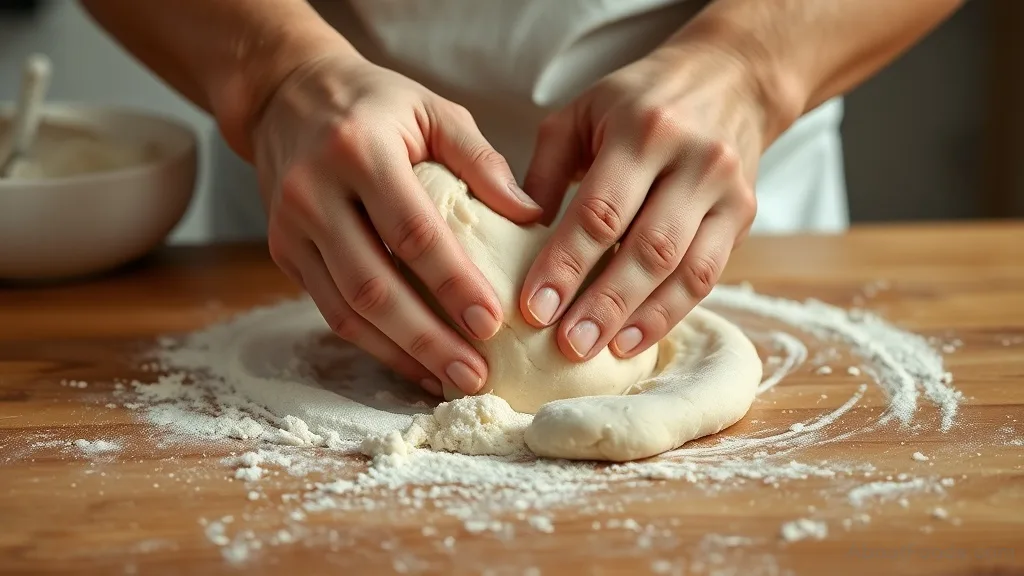
The Science Behind Baking and Dough: How Flour, Water, and Heat Work Together
Unlock the secrets of perfect dough by understanding the science of gluten development, yeast fermentation, and oven heat. This article explains how each ingredient and step affects your baked goods, helping you troubleshoot common problems and achieve consistent results.
Read More