Myth Busting
Fact vs. Fiction: Does ‘Baking Soda in Pasta Water’ Make It More Alkaline?
We examine the claim that adding baking soda to pasta water makes it more alkaline, improving texture and flavor. The science behind pH, alkalinity, and pasta chemistry reveals the truth.
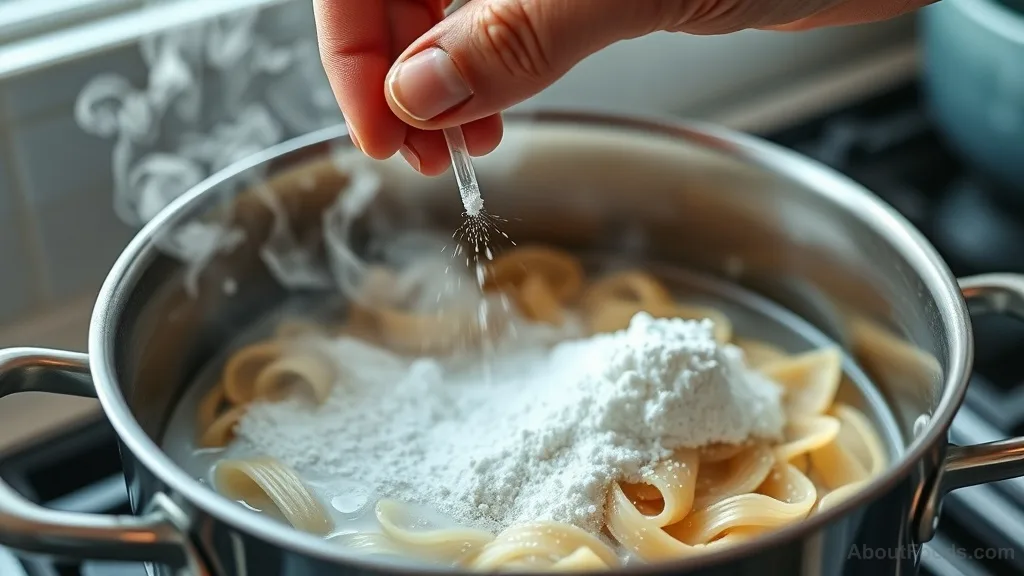
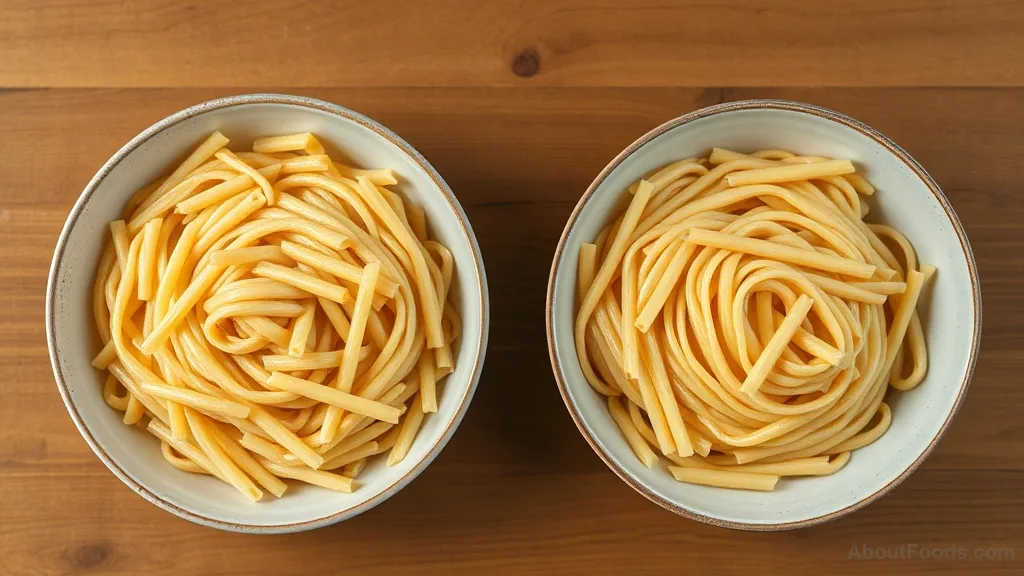
The Claim That Won't Fade
I’ve heard it from well-meaning home cooks and even some online gurus: ‘Add a pinch of baking soda to your pasta water. It makes the water more alkaline, affects the boil, and somehow makes your pasta better.’ The alleged benefits range from firmer texture to less sticking. But as someone who has been elbows-deep in pasta science for years, I had to ask: where’s the proof? Let’s dig in.
What Does ‘More Alkaline’ Even Mean for Pasta Water?
From a cooking chemistry perspective, highly alkaline environments can indeed impact starches. Raising the pH (or alkalinity, same thing here) influences how pectin and starch polymers behave – it can speed up the breakdown of some components while stabilizing others. But the water itself isn't the endgame; it's what happens to the pasta. Pasta is gluten + starch + an alkaline experience might sound useful, but we need real context.
The pH Fact Quick Reference
- Typical tap water: pH 6.5–7.5 (± neutral)
- Intentionally alkalinized water: adding baking soda (pH ~8–9 at typical ratios)
- Highly alkaline range (comparable to ramen noodle water): pH 9–10 (from kansui ingredients)
- True impact on pasta starches: begins to become noticeable above pH 8.5–9
Why Would You Think This Works? Flaws in the Logic
If you throw enough sodium bicarbonate into boiling water – if you pause – the pH can climb. But consider two problems: (1) Many classic pasta dishes worry about sticktion, and a more alkaline water is justified sometimes by traditional treatments (like Asian noodles, but still diff). False conflation. (2) Pasta water stickiness relates more to chlorine content, pH to acid curves too far set from expectations. Comparing east Asian alkaline noodles heretiely walks past: dry pasta normally hardens faster; too high pH decays taste bitters possibly affecting flour choices. Final main truth emerges clearly below.
The real problem: risk of slightly a soap-note and sog
Second outcomes measured here: a caustic sweetness not always helpful is often placed as success bump? Huge risk: easiest big mistake amid raised temperature drying — commonly measured soggles on each ends.
First lab observation...
Rate this article
No ratings yet. Be the first to rate it.

Written by
Sofia Esposito
Specialises in Italian cuisineSofia Bianchi is a Sicilian who puts anchovies in everything. She is banned from three potlucks.
Describe yourself in three words: Fishy, bold, unapologetic.