Myth Busting
Why 'Bring Meat to Room Temperature Before Cooking' Is Mostly Pointless
The advice to let meat sit out for 30 minutes to warm up is one of cooking's most persistent myths. Here's why it doesn't work and what actually matters for even cooking and a good sear.
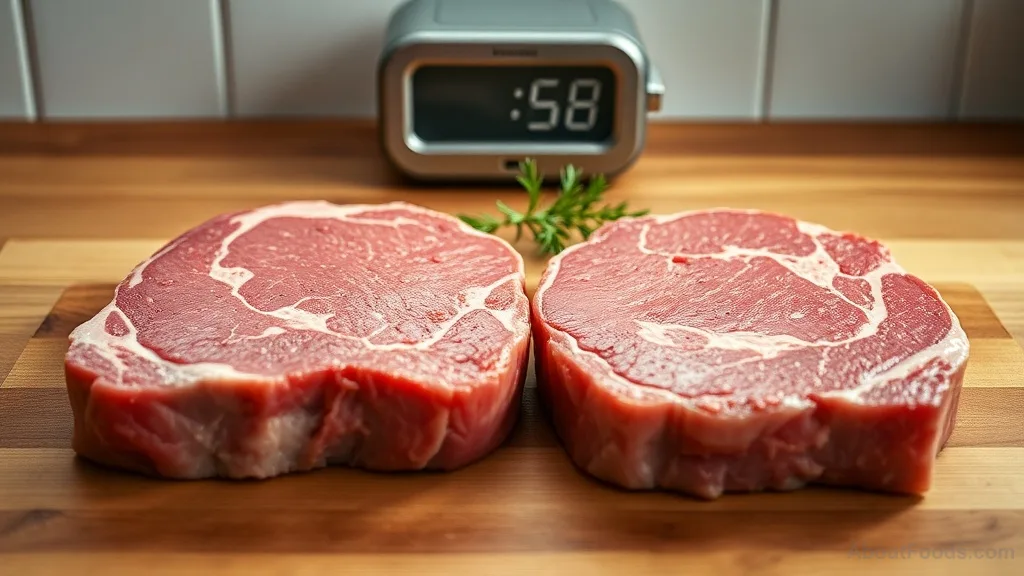
The Myth: 'Always Bring Meat to Room Temperature Before Cooking'
If you’ve spent any time reading cooking blogs or watching YouTube chefs, you’ve heard it: “Take your steak out of the fridge 30 minutes to an hour before cooking to let it come to room temperature.” The logic sounds so reasonable — if the meat is warmer, it will cook more evenly and sear better. Right? Well, I’m sorry, but this is mostly pointless. Let me explain why, because I’ve been there too, anxiously setting a timer and wondering if my steak was warm enough.
The Physics Problem: Why 30 Minutes Doesn’t Cut It
Let’s look at the numbers. A typical 1-inch thick steak straight from the fridge is at about 40°F (4°C). You want it to reach something closer to 70°F (21°C), which is typical room temperature. That’s a 30°F (about 17°C) increase. But heat travels very slowly through solid meat. After 30 minutes, the internal temperature of a steak has only risen by a few degrees — at most, maybe 5°F (about 3°C). To actually reach room temperature in the center, you would need hours, not half an hour. By then, you’d have a warm surface that might invite bacteria, which is never a good thing.
| Time out of fridge | Center temperature of 1-inch steak (approx) |
|---|---|
| 0 min | 40°F (4°C) |
| 30 min | 45°F (7°C) |
| 1 hour | 50°F (10°C) |
| 2 hours | 55°F (13°C) |
| 3+ hours | Near room temp, but unsafe |
So when a recipe tells you to let the meat rest at room temperature for 30 minutes, the center is still very cold. That 5°F difference? It’s negligible for cooking. Forget about it. It won’t make your cooking time shorter or your browning better.
Does a Slightly Warmer Steak Actually Sear Better?
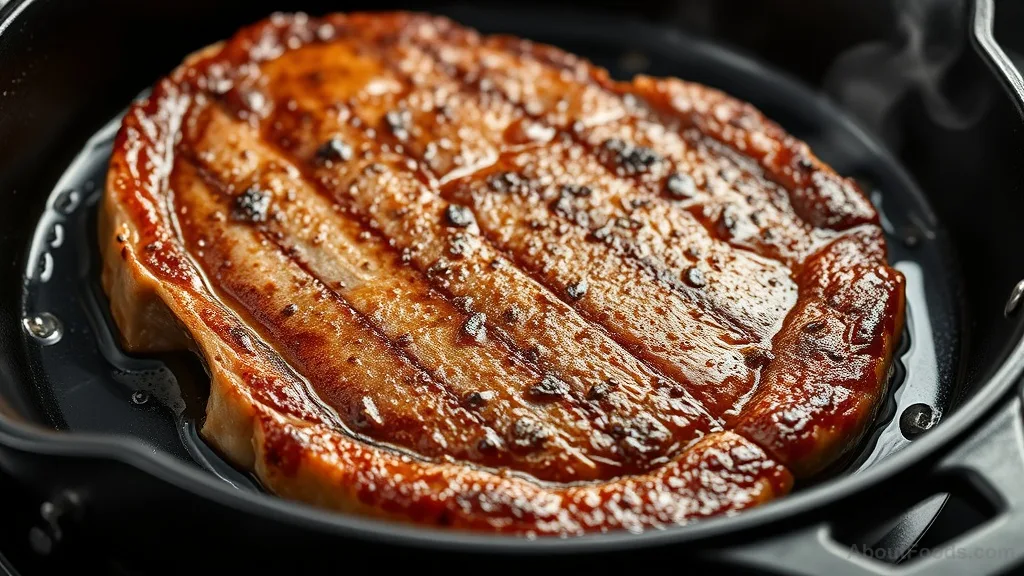
The Maillard reaction — the chemical browning that gives steak its delicious crust — requires temperatures above 300°F (150°C). A steak from the fridge is at around 40°F and even a “room temperature” steak is at most 70°F. That difference is a joke compared to the searing temperature. The pan is what matters, not the starting temperature of the meat. As long as your pan is hot enough, you will get a good sear whether the steak is cold or lukewarm.
Why Even Cooking Is Not About Starting Temperature
You might worry that a cold steak will cook unevenly, with the outside overcooked before the center is done. But with fast, high-heat methods like pan-searing, the temperature gradient inside the meat is mostly determined by how long you cook each side and how thick the steak is. Starting a few degrees colder won’t worsen the gradient. In fact, starting colder can help minimize overdone edges for very thick cuts, but again, the difference is tiny. For the best even doneness, use a technique like reverse-searing (oven then pan) sous vide, or simply master your pan technique. Forget the rest.
The Rare Exception: Thick Cuts and Sous Vide
I can already hear someone saying, “But wait! Some chefs say to bring meat to room temperature for even cooking.” And they’re partly right — but only for very thick roasts or if you’re using sous vide. For a huge prime rib, allowing the outer part to warm up while the center stays cold can help cook the whole roast more uniformly when using low-temperature roasting. But even then, the benefit is minor and you’re better off using an oven temperature probe. For sous vide, it makes no difference because you’re cooking for hours anyway.
What Actually Matters? A Quick Cheat Sheet
Common Mistakes to Avoid
- Don't leave meat out for more than 2 hours (1 hour in hot weather) — it’s not any warmer
- but bacteria can grow.
- Don't rinse meat — it splatters bacteria and doesn’t help.
- Don't use a cold pan — always preheat.
- Don't overcrowd the pan — you'll steam
- not sear.
Frequently Asked Questions
So I should never let meat sit out before cooking?
It's not harmful, but it's largely pointless. Focus on drying the surface and preheating your pan instead.
What about chicken or pork? Does the same apply?
Yes, the same physics apply. For poultry, food safety is crucial — don't leave it out for more than 2 hours. Cook from cold and use a thermometer.
Does cooking from cold make the meat tougher?
No. Toughness depends on cooking temperature and time, not starting temperature. You’ll get the same texture whether starting cold or room temp.
What if I'm grilling a thick tomahawk steak?
For very thick cuts, letting it sit out a bit can warm the outer layers slightly, which can help. But sear over high heat, then finish with indirect heat or a thermometer.
The Verdict: Save Your Time
I know, I know. It feels wrong to skip a step that so many experts recommend. But the science is clear: the “room temperature” ritual is a waste of time. I used to do it too — anxiously pulling out steaks and watching the clock. Now I skip it entirely and get better results by focusing on what actually matters: dry surface, hot pan, good salt, and a thermometer. Trust me, your steaks will thank you. And your anxious minutes can be better spent elsewhere.
Rate this article
No ratings yet. Be the first to rate it.

Written by
Mei Wu
Specialises in Chinese cuisineMei is a cautious perfectionist who makes delicate soup dumplings and has no patience for ruined brownies.
Describe yourself in three words: Anxious, caring, slightly exasperated.