Myth Busting
The Great ‘Brown the Butter’ Lie — Does It Actually Change Flavor?
Browning butter does alter its flavor—but not for the reasons most recipes claim. This article breaks down the real science of Maillard reactions versus caramelization, tells you exactly what flavors you’re actually getting, and helps you decide if it’s worth the extra step.
Introduction: The Myth of Brown Butter
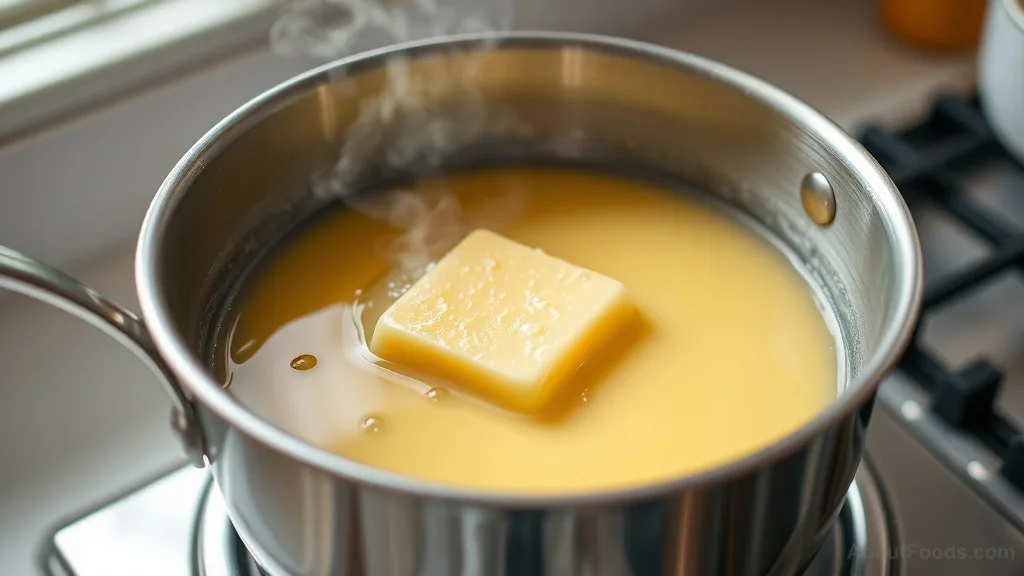
If you’ve spent any time in baking circles, you’ve heard the gospel: brown your butter. It’s a simple technique—melt butter, swirl it, wait for it to turn amber and smell nutty—that promises to elevate everything from cookies to cakes. But does it *actually* change the flavor? Or is it one of those fussy steps that adds time without real payoff?
As a vegan-plant-based editor, I get the skepticism: why add complexity to butter when dairy itself is optional? But here’s the thing—brown butter isn’t dairy hype. It’s a real chemical transformation, rooted in two classic browning reactions. Let’s separate the facts from the food blogger fluff.
What Actually Happens When You Brown Butter?
Butter is about 80% fat, 15% water, and 5% milk solids (proteins and sugars). When you heat it, the water starts to evaporate—that’s the sputtering. As the temperature climbs past 120°C (248°F), the milk solids begin to brown. This is where the flavor shift happens.
Two reactions drive the transformation:.
Key insider info: Clarified butter (ghee) is all fat—no milk solids—so it *cannot* undergo Maillard browning. It browns only through caramelization of residual sugars (minimal), and has a far milder toasty flavor.
Flavor Compounds: What You’re Really Tasting
Researchers have identified dozens of volatile compounds in browned butter. The stars are lactones (creamy, peachy notes), pyrazines (earthy, roasty), furans (caramel), and diacetyl (butterscotch). These compounds are either absent or present in tiny amounts in raw butter.
Here’s a breakdown of the main flavor changes:.
The ratio matters. Pyrazines dominate in darker brown butter, adding depth that can border on bitter if overdone. A light golden brown is sweeter; deep amber leans savory. The control is in the heat and timing.
Practical Science: How to Get the Best Flavor
Here are the real-world takeaways for home cooks:.
Does It Actually Change Flavor? Final Verdict
Yes—unequivocally. The change is substantial, especially in recipes where butter’s flavor is front and center. Pound cake, shortbread, buttercream, and chocolate chip cookies are transformed. The milk-solids browning adds a orchestration of nutty, caramel, and savory notes that layered butter’s profile.
But no—it won’t save a flat recipe. If your baked goods lack salt, vanilla, or proper creaming, brown butter won’t fix structural flaws. It adds aroma complexity, not sweetness or texture.
Vegan note: You can mimic brown butter with plant butters high in solid content (like Miyoko’s European-style), but results vary. The flavor boost is smaller because nut milks or coconut oil produce less pronounced reactions. Experiment.
Frequently Asked Questions
Rate this article
No ratings yet. Be the first to rate it.

Written by
Maya Green
Specialises in Vegan Plant Based Global cuisineMaya went vegan after watching a documentary in 2018 and hasn't shut up about cashew cream since. Her food is actually incredible.
Describe yourself in three words: Passionate, evangelical about plants, loving.