Myth Busting
Science Says: ‘Brown the Meat First’ for Stew Is Not Always Best
Conventional wisdom says searing meat before braising locks in juices and builds flavor. But food science reveals that skipping the browning step can sometimes yield a more tender, deeply flavored stew. This article breaks down the chemistry behind the myth.
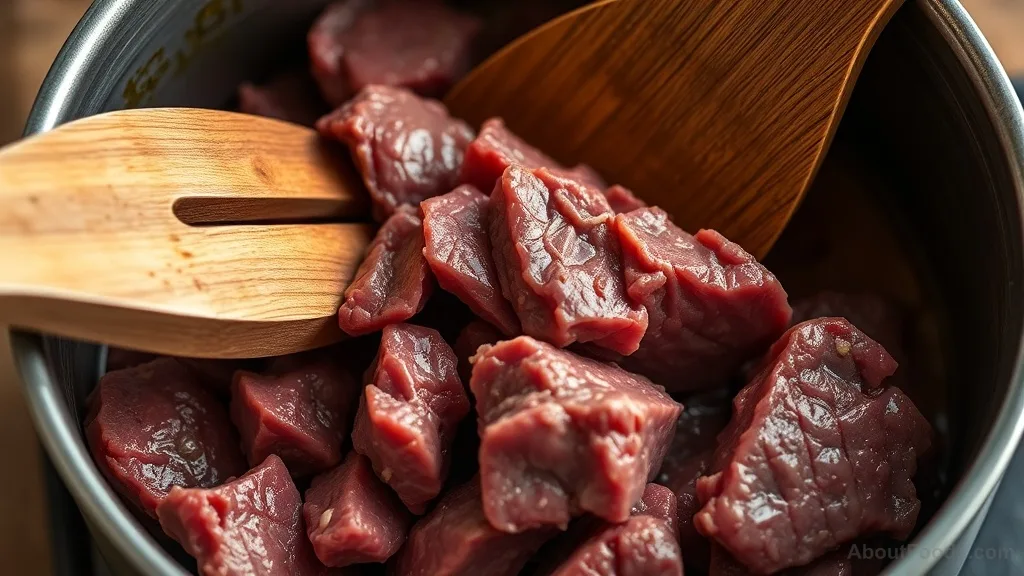
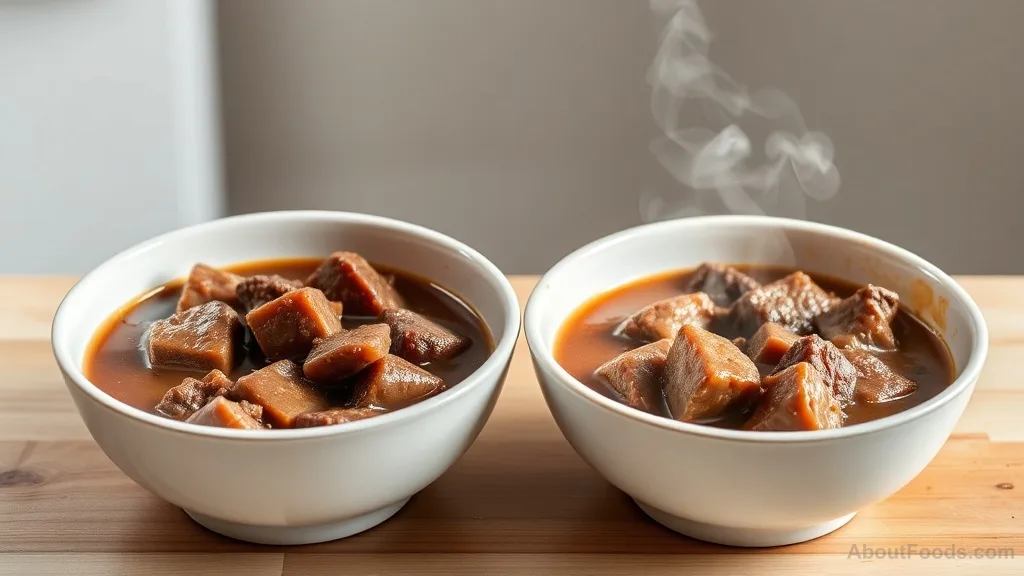
Introduction: The gospel of browning
Every stew recipe starts the same way: 'Season the meat and brown it in batches.' Home cooks have been taught that searing locks in juices and builds deep, savory flavor through the Maillard reaction. But here's the truth from food science: browning meat before braising is not always the best move. In fact, for the most tender, evenly flavored stew, skipping that step can give you better results.
What browning actually does to meat
Browning is a chemical process called the Maillard reaction—a cascade of reactions between amino acids and reducing sugars that creates hundreds of new flavor compounds. It's what gives seared meat its deep, roasted, umami taste. But this reaction happens best at temperatures above 280°F (140°C), which requires high heat and a dry surface. When you sear meat for stew, you're aiming for that crust. But here's the catch: while browning creates flavor, it can also toughen meat by coagulating proteins on the surface, forming a dry, leathery barrier that doesn't break down easily during braising.
The myth of 'locking in juices'
The idea that searing seals in moisture was debunked decades ago. In fact, the high heat of searing causes immediate moisture loss as surface water evaporates. The browning crust does not create an impermeable barrier—during braising, liquid still moves in and out of the meat. The real key to a juicy stew is not a seared crust but proper cooking time and temperature. Collagen needs low, slow heat to break down into gelatin, which gives that silky, moist texture. Searing can actually make it harder for heat to penetrate evenly, leading to a tougher exterior.
When to skip browning: The chemistry of tenderness
If your goal is maximum tenderness, especially for tougher cuts like chuck or brisket, skipping the browning step can help. Without a seared crust, the meat stays more uniform in texture, and collagen breaks down more evenly. This is because the absence of a browned shell allows heat and moisture to penetrate the meat more consistently. Plus, all the flavorful compounds from the meat (like amino acids and sugars) are released directly into the stew liquid, enriching the broth without needing a crust to dissolve. A 2009 study in the Journal of Food Science found that braising without prior searing resulted in meat that was perceived as more tender and equally flavorful when cooked in a well-seasoned liquid.
How to build flavor without searing meat
You can still get deep, savory stew flavor without browning the meat. Here's how:.
- Sauté aromatics (onion
- garlic
- ginger
- spices) in oil until golden brown before adding liquid. Their browning creates a flavor base.
- Use tomato paste or miso paste
- which are packed with umami and can be cooked briefly in the pan before adding stock.
- Add soy sauce
- fish sauce
When you should brown the meat first
Despite the science, there are times when browning is beneficial:.
- When cooking lean cuts like sirloin or chicken breast
- where you want color and caramelization because tenderness is less of an issue.
- When you want a darker
- more roasted flavor. The Maillard reaction adds complexity that can't be fully replicated by other ingredients.
- When you're using a recipe that relies on fond (the browned bits on the pan bottom) for the sauce. Deglazing with wine or broth incorporates those bits into the gravy.
In these cases, sear the meat quickly over high heat, but don't overcrowd the pan. Work in batches, and don't move the meat until it releases easily—that means it's properly browned.
FAQ: Brown meat first debunked
The bottom line
Browning meat before stewing is a classic technique, but it's not a requirement. By understanding the science of heat, moisture, and collagen breakdown, you can decide when to sear and when to skip. For the most tender stew, especially with tough cuts, let go of the browning dogma. Build flavor in other ways, and your stew will reward you with a silky, succulent depth that no crust can match.
Rate this article
No ratings yet. Be the first to rate it.
Written by
Anaya Iyer
Specialises in Indian cuisineAnaya Iyer (not Patel or Sharma) makes dosas so crisp they shatter like glass. She is a fermentation nerd.
Describe yourself in three words: Crispy, nerdy, sourdoh.