Myth Busting
Myth: ‘Burnt’ Garlic Is Always Bitter (Sometimes It's Sweet)
Many cooks fear over-browning garlic, convinced it inevitably turns bitter. But the truth is more nuanced: garlic can develop sweet, caramelized notes before crossing into bitterness—if you understand the heat and timing.
Why This Myth Matters
Garlic is one of the most fundamental aromatics in kitchens around the world. Yet many home cooks are terrified of taking it past pale gold. We've all heard the warning: "If it turns brown, it's bitter—throw it out." But this advice is oversimplified. The truth is that garlic, like onions or shallots, contains natural sugars that can caramelize and create sweet, complex flavors before bitterness ever appears. Understanding the difference between caramelization and burning can transform your cooking, reducing waste and unlocking a whole new range of savory depth.
The Science: Sugars, Heat, and Bitterness
Garlic contains about 1–2% free sugars, primarily fructose, glucose, and sucrose. When heated, these sugars undergo caramelization, a non-enzymatic browning reaction that produces hundreds of flavor compounds, many of which are sweet, nutty, and fruity. At the same time, the Maillard reaction between amino acids and sugars adds savory, toasted notes. Both reactions typically start above 140°C (280°F). If the temperature is carefully controlled, garlic can develop a deep golden color and sweet aroma without bitterness.
Bitterness, on the other hand, comes from two primary sources: scorching and sulfur compounds. When garlic is heated above 170°C (340°F) for too long, the sugars decompose into bitter-tasting molecules like furans and pyrazines. Additionally, garlic's sulfur compounds (alliin, allicin) can break down into harsh-tasting sulfides if burnt. The key is that there is a sweet spot—a window of time where garlic is browned but not burned.
The Sweet Spot: Visual and Aromatic Cues
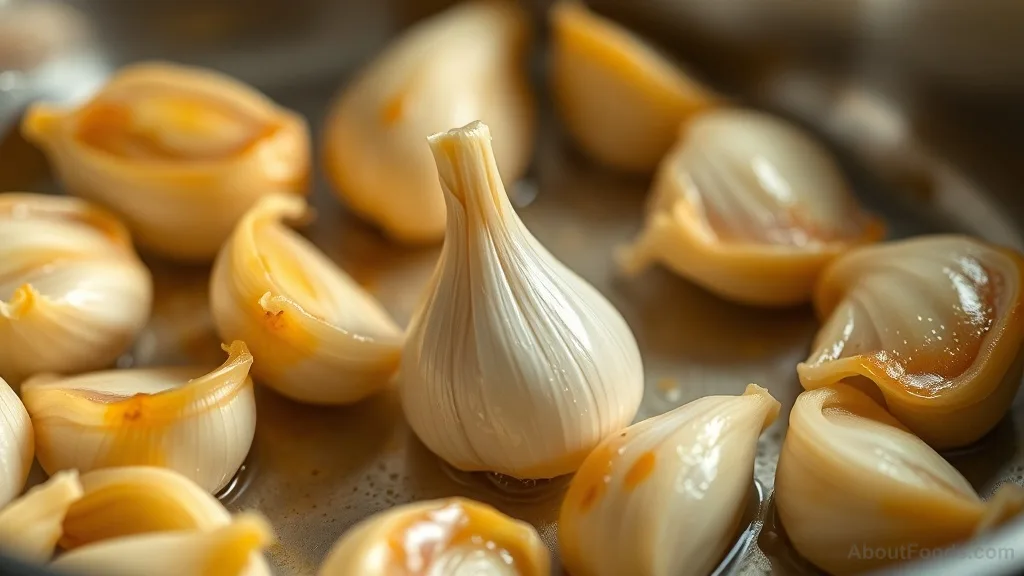
How do you know when garlic has reached its sweetest point? Trust your senses. Sweet, caramelized garlic has a warm golden-brown color, similar to toasted bread or light brown sugar. It should smell fragrant, nutty, and slightly sweet—not acrid or smoky. The texture should be soft but not brittle. If you see black spots or smell something like burnt toast or coffee, you've gone too far.
Why Some Garlic Turns Bitter Faster
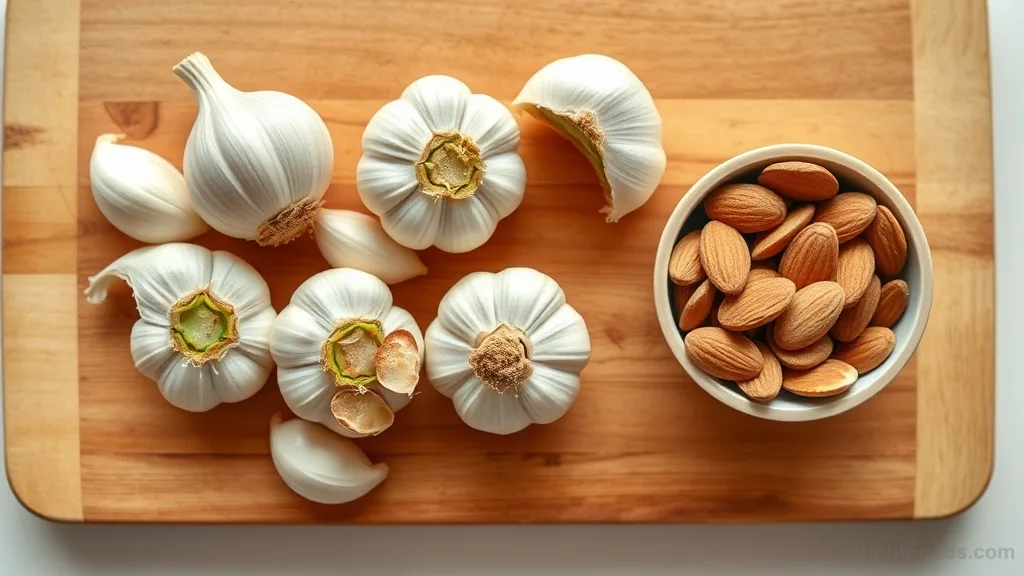
Not all garlic behaves the same. Older garlic, especially cloves that have begun to sprout a green shoot in the center, contains higher levels of bitter compounds. Sprouting garlic has increased levels of certain sulfur compounds and a higher concentration of enzymatic activity, which can lead to quicker bitterness when heated. Similarly, garlic that has been cut or crushed more finely has a larger surface area and will brown faster—so adjust your heat and cooking time accordingly.
- Use fresh
- firm garlic without green sprouts for the sweetest results.
- Remove any green shoots from the center of old cloves before cooking.
- Slice garlic evenly to ensure uniform browning.
- Adjust heat: lower for minced garlic
- slightly higher for whole cloves.
Technique: How to Get Sweet, Not Bitter, Browned Garlic
Follow these steps for consistently sweet, well-browned garlic every time.
Common Mistakes and How to Avoid Them
- Crowding the pan: Too much garlic lowers the pan temperature
- causing uneven cooking. Cook in batches if needed.
- Too high heat: The number one cause of bitterness. Keep the flame low and be patient.
- Not stirring: Garlic can scorch in seconds if left still. Stir or shake the pan constantly.
- Using wax or waxy garlic: Some supermarket garlic varieties have lower sugar content
- making them less sweet. If possible
- choose organic or locally grown garlic
- which often has more natural sugars.
Frequently Asked Questions
Can I use sprouted garlic for browning?
Yes, but remove the green shoot first. Sprouted garlic has a higher sulfur content that can lead to bitterness, so cook it at a slightly lower temperature and keep a close eye on the color.
What if my garlic goes from sweet to bitter quickly?
That can happen if the pan temperature spikes. To rescue it, remove the pan from heat immediately and stir in a small amount of liquid or fresh butter. The bitterness may still be present, but diluting with other ingredients can help.
Is there a difference between whole cloves and minced garlic?
Yes. Whole cloves take longer to brown and can develop deep caramelization without burning because the interior stays cooler. Minced garlic has more surface area and browns faster, requiring closer monitoring.
Can I brown garlic in the oven?
Absolutely. Cut whole cloves in half, toss with oil, and roast at 190°C (375°F) until golden and soft. Oven roasting is more forgiving than stovetop because heat is more even.
Rate this article
No ratings yet. Be the first to rate it.

Written by
Camila Morales
Specialises in Mexican cuisineCamila makes mole that takes three days. She says shortcuts are for the weak. Her abuela approves.
Describe yourself in three words: Patient, serious, deeply traditional.