Ingredient Behaviour
Common Ingredient Behaviour Mistakes and How to Avoid Them
Learn the science behind common ingredient mistakes in the kitchen—from overworking pastry to scorching oil—and discover how small tweaks can transform your cooking.
Why Ingredient Behaviour Matters
Every ingredient has a personality. Flour expands when hydrated, eggs set when heated, oil hates water—yet we often treat them like obedient soldiers. When something goes wrong—a tough pie crust, a deflated cake, or greasy stir-fry—the culprit is usually a misunderstanding of how ingredients behave. By getting to know their quirks, you can cook with confidence and fewer disasters.
1. Overworking Pastry: Gluten’s Sneaky Grip
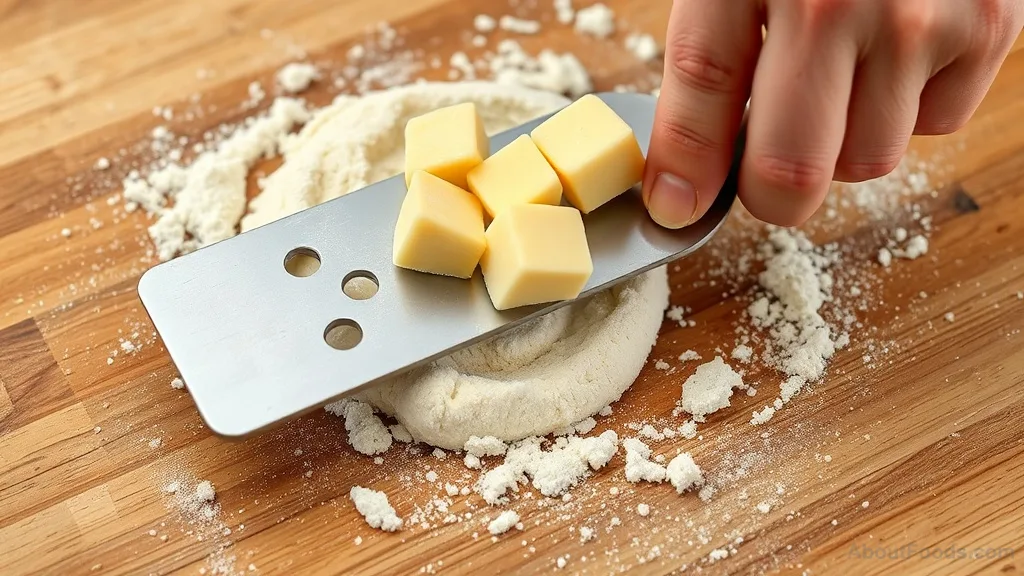
When you make pie dough or biscuits, you're balancing three elements: fat, flour, and liquid. Gluten forms when flour proteins absorb water and get agitated. The more you mix or knead, the stronger the gluten network becomes. That's great for bread, but terrible for flaky pastry, where you want tender, separated layers, not a tough sheet.
- Use cold butter and cold water to minimize gluten development.
- Mix just until the dough holds together
- visible butter chunks are okay.
- Let the dough rest in the fridge for at least 30 minutes before rolling.
Why? Cold butter solid in the dough prevents water from fully hydrating the flour, limiting gluten. Even if you think you're being gentle, constant mixing stirs up invisible gluten. Always handle pastry like it's sleeping—quiet and minimal.
2. Overcrowding the Pan: The Stearn Explosion
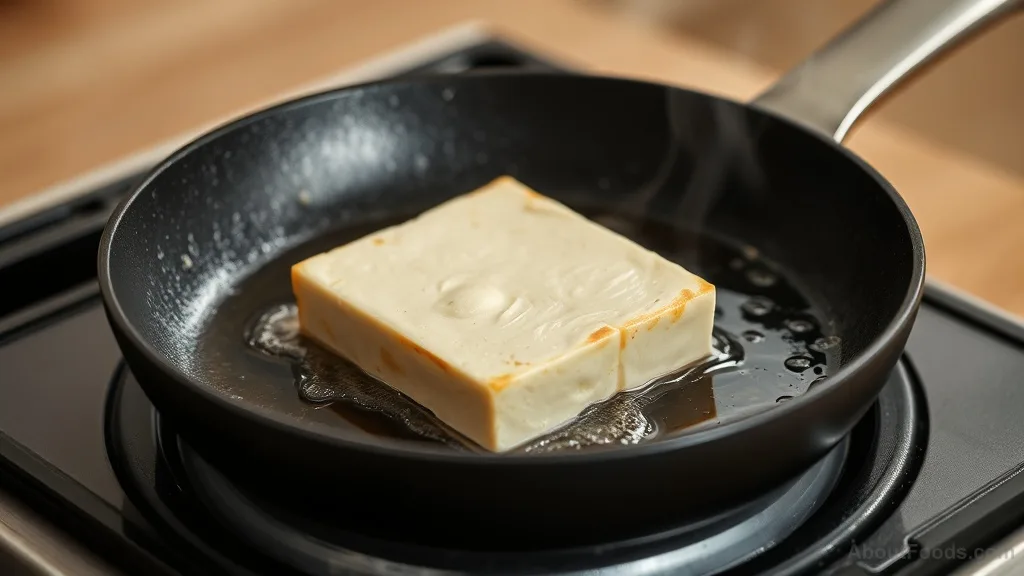
You want a golden sear on your tofu or vegetables, so you pile them into the skillet. But instead of browning, they steam in their own release of moisture, turning gray and mushy. The science: heat transfers less efficiently through water than through air. When moisture covers a surface, the temperature stays around 212°F (100°C) until all the water evaporates—too low for Maillard reactions.
The fix: cook in batches. And pat your ingredients dry—moisture is the enemy of the crust. If you're adding sauce, do it after the crust has formed.
3. Adding Salt Too Early (or Too Late)
Salt affects ingredient behaviour in multiple ways. In meats and protein-rich foods like mushrooms, salt pulls moisture out through osmosis—we call this "sweating." That can dry things out if done too early, but also help create a crisp crust if roasted after salting earlier. By contrast, in yeast doughs, salt controls fermentation—add yeast and salt in the same step, but away from direct contact.
A golden rule: if you want something crispy or concentrated, start salting earlier; if you want something tender or delicate, salt later.
4. Misjudging Baking Soda and Baking Powder
Both are leaveners, but they react differently. Baking soda (sodium bicarbonate) needs an acid and moisture to produce gas—and it works almost immediately. Baking powder contains both an acid and a base, plus starch to delay reaction. So dry mixes with baking powder can sit before baking; mixes with soda must go straight into heat.
If you substitute without adjusting, your cakes spread flat (too much soda) or taste metallic (too much powder). Always use the exact amounts—more isn’t better.
5. Not Understanding Emulsions: Why Sauces Break
An emulsion is a mix of two unblendable liquids—usually oil and water-based (like lemon juice or vinegar). They stay together only with an emulsifier (like mustard, egg yolk, or starch). The two biggest mistakes: adding fat too fast, or letting the temperature spike. If the droplets of oil get too big or the mixture gets too hot, the emulsion breaks—you get a greasy mess instead of creamy dressing.
- Start by mixing the water-based phase and emulsifier thoroughly.
- Add oil slowly
- with constant whisking
- at a moderate temperature.
- If it breaks
- rescue by whisking a new egg yolk with a splash of water
- then slowly add broken sauce.
Now you know: respect the boundary between fat and water—the emulsifier is their fragile peacekeeper.
6. Overheating Oil Past Its Smoke Point
Each oil has a smoke point—the temperature at which it breaks down and starts releasing harmful free radicals and acrid smoke. Common mistake: cook with extra virgin olive oil at high heat. AVO has a low smoke point (around 375°F) because of the delicate particles it contains; for deep frying or high-sear, choose avocado, grapeseed, or refined sunflower oil (around 500°F). When oil smokes, throw it out and start with fresh oil.
If your oil is smoking before you add food, it's too hot; turn down the heat.
7. Reading Egg Freshness Wrong
Fresh eggs sink in water; older eggs float. Why? Eggshells are porous, so over time air enters the egg, lowering its density. But you don't need a fresh egg every time: for meringues or cakes where you want stiff peaks, older egg whites (slightly runny) actually whip up more volume because the pH is higher. Fresh eggs hold together better for poaching or frying.
Not a mistake per se, but knowing this helps you choose the right egg for the job.
FAQ: Quick Fixes for Common Mistakes
Rate this article
No ratings yet. Be the first to rate it.

Written by
Maya Green
Specialises in Vegan Plant Based Global cuisineMaya went vegan after watching a documentary in 2018 and hasn't shut up about cashew cream since. Her food is actually incredible.
Describe yourself in three words: Passionate, evangelical about plants, loving.