Myth Busting
Common Myth Busting Mistakes and How to Avoid Them: A Food Scientist’s Guide
Myth busting in food science is harder than it looks. Learn the most common pitfalls—from oversimplifying to ignoring context—and how to correct them with accuracy and respect.
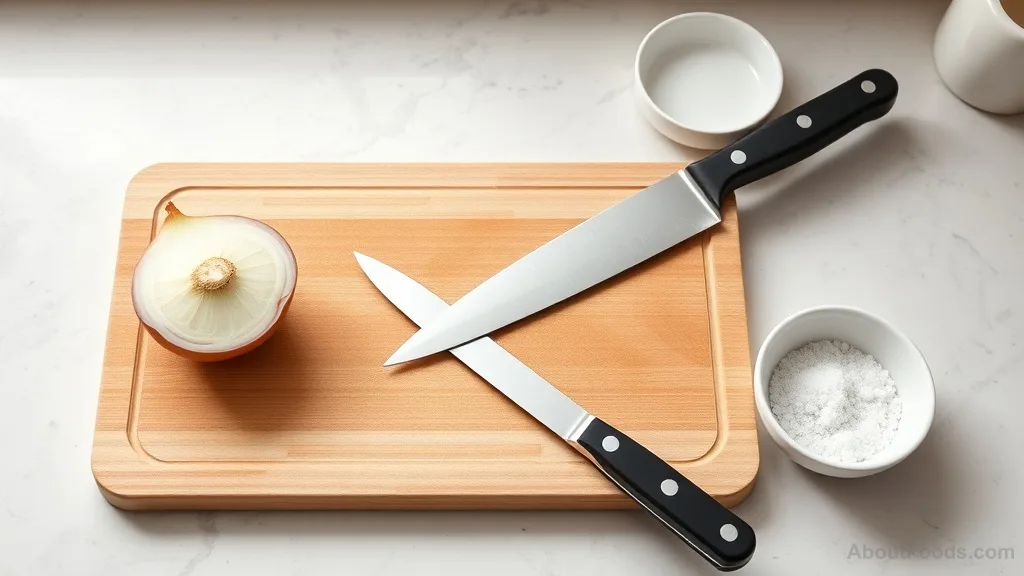
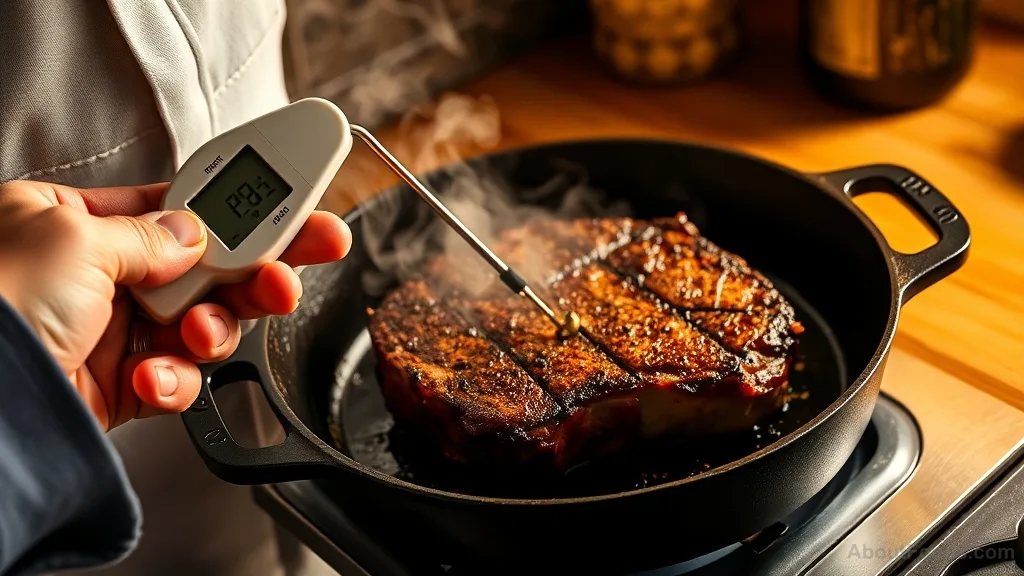
The Allure and Danger of Food Myths
Food myths are everywhere. Some are harmless, like the idea that searing meat seals in juices. Others can lead to wasted ingredients or even food safety risks. As someone who has spent years in the kitchen and the lab, I have a deep respect for the traditions that shape our cooking. But I also know that when we cling to misinformation, we miss out on better results. Myth busting is a noble pursuit, but it is easy to fall into traps that undermine the very truth we seek. Let us examine the most common mistakes and how to avoid them.
Mistake #1: Oversimplifying the Science
One of the biggest errors in myth busting is reducing a complex chemical reaction to a catchy slogan. Consider the claim that searing meat locks in moisture. The truth is more nuanced: browning creates flavor through the Maillard reaction, but moisture loss depends on temperature and time, not a crust. When we say 'searing doesn't seal,' we must also explain what it does do. Otherwise, we replace one oversimplification with another.
Mistake #2: Ignoring Context and Variables
A myth may be false under one set of conditions but partially true under another. For example, adding salt to beans during cooking is often said to toughen them. In acidic conditions, that can happen. But in neutral or alkaline water, salt can actually help soften beans by displacing minerals. The key is to state the conditions: pH, temperature, and ingredient state matter. Failing to do so misleads readers into thinking the myth is always false.
| Context | Effect of Salt on Beans |
|---|---|
| Acidic (e.g., with tomatoes) | Can toughen beans |
| Neutral water | May soften beans |
| Alkaline water | Softens more effectively |
Mistake #3: Confusing Correlation with Causation
A classic example is the belief that pasta sticks because you didn't add oil to the water. In reality, pasta sticks when starch gels on the surface and dries out. Oil floats on water and does little to prevent sticking; the real solution is using enough water and stirring. Mistaking correlation for causation leads to ineffective advice. Always ask: is the claimed cause actually responsible for the observed effect?
Mistake #4: Relying on Anecdote Over Evidence
Personal experience is valuable, but it is not a substitute for controlled experiments. Your grandmother's method may work perfectly in her kitchen with her ingredients, but that doesn't mean the underlying science is correct. When busting myths, always look for peer-reviewed studies or repeatable tests. For instance, the idea that you must rest meat after cooking is well-supported by data on moisture redistribution. But the claim that resting for 10 minutes per pound is a fixed rule? That is anecdote dressed as gospel.
Mistake #5: Disrespecting Tradition
As a traditional cook myself, I know that many kitchen practices have deep cultural roots and can produce wonderful food even if the 'official' science lags behind. When busting a myth, do not mock the practice. Instead, explain why it might have arisen and whether it still serves a purpose. For example, washing chicken used to be recommended to remove slime, but we now know it spreads bacteria. Frame the correction with respect: 'Our ancestors didn't know about aerosolization, but we do.'.
How to Bust Myths the Right Way
- State the myth clearly and charitably.
- Explain the science in plain language
- acknowledging complexity.
- Provide context: conditions under which the myth might appear true.
- Cite evidence from reliable sources when possible.
- Offer actionable
- practical alternatives.
Common Myths Revisited: A Quick Reference
Frequently Asked Questions About Myth Busting
Rate this article
No ratings yet. Be the first to rate it.

Written by
Camila Morales
Specialises in Mexican cuisineCamila makes mole that takes three days. She says shortcuts are for the weak. Her abuela approves.
Describe yourself in three words: Patient, serious, deeply traditional.