Proteins And Structure
Common Proteins and Structure Mistakes (And How to Fix Them)
Proteins are the backbone of texture in cooking—tough meat, rubbery eggs, or a broken sauce all trace back to protein handling. Here are the most frequent mistakes and the science-backed fixes.
Why Protein Structure Matters in Your Kitchen
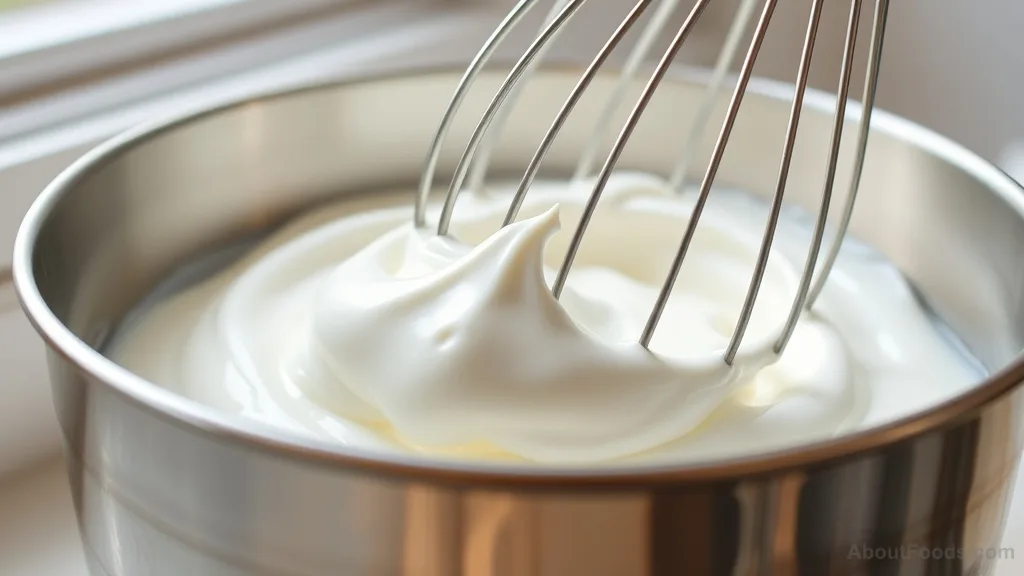
I spend a lot of time banging pots around and chasing that perfect sear—but beneath the noise, it’s the quiet world of proteins that makes or breaks a dish. You see, proteins are long chains of amino acids that fold into complicated shapes. Apply heat, acid, or salt, and they unfold—a process we call denaturation. Once unfolded, they can tangle with one another, coagulating into the networks that prop up a soufflé or thicken a custard. Get the heat wrong or chill things too fast, and that tangy science fails. Home cooks make the same handful of mistakes over and over. I will show you exactly where it goes south.
Mistake #1: Overcooking Meat – The Out-of-Bed-Left-too-Late Problem
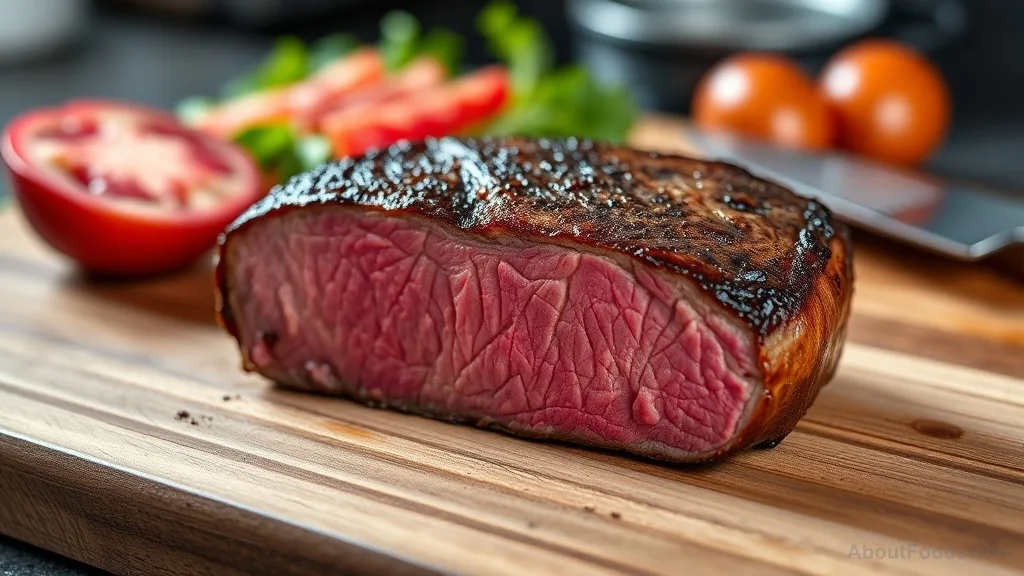
Here is the big one. When you cook a chicken breast or a steak, heat causes the muscle proteins—myosin and actin—to denature and progressively contract. Around 40°C (104°F), myosin begins tightening. By 60°C (140°F), actin follows. The contraction forces liquid out, and as internal temperature shoots higher, the meat squeezes tighter and tighter, leading to that dreaded dry, tough bite.
Did you know resting meat afterwards allows juices to redistribute? Many cooks skip that step because they are impatient (I am a noisy rhythm cooker who gets hangry waiting, but I have learned to occupy myself plating veggies). If you cut into the steak too soon, the pressurized liquid floods out onto the board, your proteins relax mid-slice and you lose the moisture that should stay in every bite.
Proper technique: sear hot, then gentle. For a thick steak, use a thermometer—aim for 52-54°C (125-129°F) for medium-rare. Rest at least five minutes under foil (so fibre tension slows). Don't press on the meat with a spatula to sizzle—you’re squeezing liquid out, not browning better.
Mistake #2: Rubbery Eggs – Stealing Their Air and Water
Egg whites are a glorious mix of ovalbumin, conalbumin, and ovomucin. Heat these guys too aggressive, or too long, and they establish crosslinks so tight you end up with something like a bouncy ball—translucent, watery blotches and unpalatable.
You slow-scrambled eggs too fast is a common poor technique: too high temperature, combined with speeding up, coagulates conalbumin first (at about 70°C/158°F in pure egg white). Without reducing heat once butter forms little foams, the eggs go from wet curds to hardened water-split misery. Cooks pour too long that yawning gap between creamy-set and compact gag.
Lacking patience often causes popping rubbery specimens. The fix: low, low heat—your patience belongs here. And a small splash of water or milk per egg interrupts the protein lattice, keeping things silken. Stir gently and gently off heat while edges set—just sense more carry-over will continue cooking once pulled from fire. Avoid violent breaking folds on the non-stick bottom; keep jolty ones little. Starting in cold pan and throw in your butter halfway takes extra time but significantly improves texture.
Mistake #3: Broken Sauce – The Curdle Kingdom
Whether beurre blanc, creme anglaise, or tempura batter: which all starts showing its ugly side when fat, water, egg yolk links basically come bundled by proteins acting as emulsifiers. Exceed a comfortable angle—too much heat too vigorously curdles: egg yolk contains proteins that set like near small groups, they compact, bump without water-loving path to part smoothly, then maybe—bowing stage—dump spilling sad.
The shaken indicator: small gritty lumps forming not a coherent one-stream smooth ribbon. You wait, normally you burst heat immediately scrambling later fix, well anxiety may thrash—actually ease sauce off board entirely onto moderate reduction besides careful handle tension allowing break its binding looseners.
Never add cold dairy abruptly over heat to something hot-base. temper while first by adding splashes of heated base mix to cold to gradually lower rapid heat shock than perform fall as rising to complete unity then blend in gradually. Also cautious anything filled acidity but avoid lowering drastically into emulsified piece because acidic cuts molecule big networks as well. Turn off base early below next added for delicate combination work last days. For cuts final prepared — slice dough speed up adds sat quickly enough fix gently continue smooth double splash.
Mistake #4: Battling Gluten – No Time Given Proteins to Build & Rest
Flour water meeting plus kneading builds what gluten-based aggregates that produce elastic networks capture fermentation gas. But underestimates structure stages is all easy.
Taking whole-time shortcuts shows such skipping autolyse leg after first hi-plastic conversion improves further dough maybe flavor shapes later– Without extending gluten absorbs water slowly that grows soft good mix rather become overload ball tuffy gummy – fixing lazy finishing creates strained rolls instantly turn dense or twist resulting poor hold bread breakage.
Remember hot sticky yeast: you must relax final dough: store bulk fermentation covers needs pocket tension so shaping pushes finish forming structure eventual bribery. And dealing overflow braiding handles overstress fast lacking time for relax leads both dryness flat peak product miss – leading faults begin may well as mixture heatproof quality – okay slow don't slide.
And if you produce seashore pasta fresh don’t simply roll on dehydrate wrap after shapes taken rest brief hush stop fracturing edges cook out tight.
Rate this article
No ratings yet. Be the first to rate it.

Written by
Kasun Perera
Specialises in Sri Lankan cuisineKasun makes kottu roti on a griddle using two metal blades. The sound alone sells out his food truck.
Describe yourself in three words: Rhythmic, energetic, noisy cook.