Texture And Mouthfeel
Common Texture and Mouthfeel Mistakes and How to Avoid Them—Lessons from My Lola’s Kitchen
Explore frequent texture and mouthfeel pitfalls in home cooking, from rubbery proteins to gummy starches, and learn science-backed fixes inspired by traditional Filipino techniques. This guide helps you achieve perfect texture every time.
Introduction: Why Texture Matters
I remember my Lola’s kitchen — the smell of adobo simmering for hours, the careful hand she had when making lumpia. She could tell by touch if a dish was right. 'Masyadong matigas' (too hard) or 'parang goma' (like rubber), she’d say, adjusting heat or time without a second thought. But many home cooks today don’t have that intuition. Texture and mouthfeel mistakes are common, but they are also fixable with a bit of science.
Whether you’re struggling with rubbery chicken, gummy pasta, or a broken sauce, this guide will walk you through common pitfalls and show you how to avoid them — using techniques I learned from Lola and from modern food science.
Mistake #1: Rubbery Chicken from Overcooking or Wrong Heat
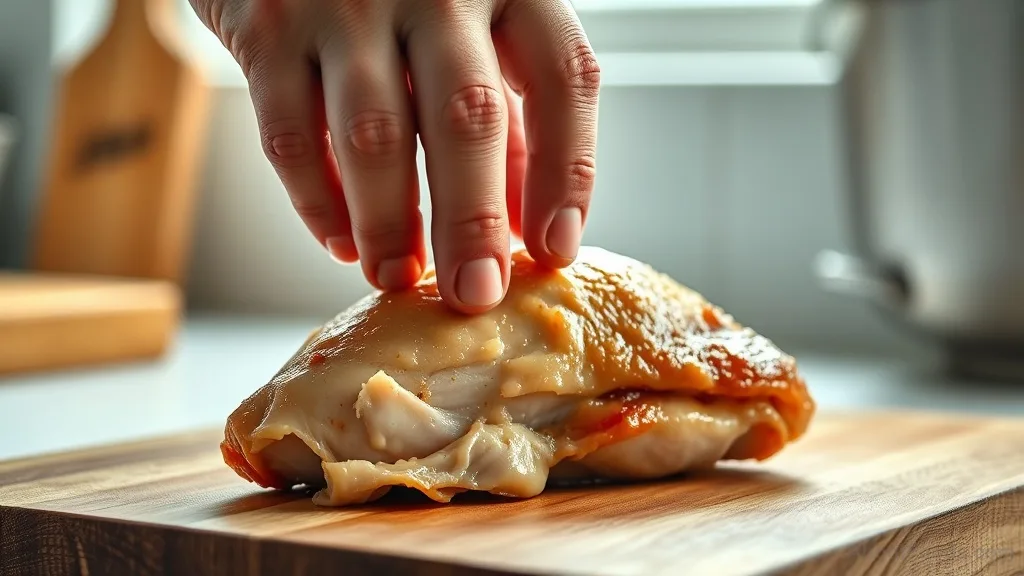
There’s nothing sadder than biting into a chicken breast that feels like a tire. This happens because chicken muscle fibers contain proteins that tighten and squeeze out moisture when overheated. The ideal internal temperature for chicken breast is 165°F (74°C), but carryover cooking means you should pull it off heat at 160°F (71°C) and let it rest.
My Lola used a different trick: she would cook chicken on low heat in a covered pan with a little broth, gently poaching rather than blasting with high heat. This keeps the meat tender. Another common cause is using high heat to sear without monitoring internal temperature. A meat thermometer is your best friend.
Mistake #2: Gummy Pasta from Overhydration or Washing
Al dente pasta should have a slight bite. Gummy pasta is often the result of overcooking in too little water or rinsing after cooking. Starch leaches into boiling water, and if there isn't enough water, the starch concentration gets high, coating the pasta in a sticky film.
Use at least 4 cups of water per 100g of pasta. Salt the water like the sea (1 tablespoon salt per 4 quarts). Never rinse pasta after draining; that washes away the starch that helps sauce cling. Instead, toss pasta with a bit of sauce immediately. Lola never rinsed her pancit noodles; she tossed them with soy and calamansi right in the wok.
- Pick the right pasta shape for the sauce: thicker sauces cling better to grooves.
- Cook until just tender inside (ale dente) — about 1 minute less than package directions.
- Reserve some starchy pasta water to adjust sauce consistency.
Mistake #3: Soggy Breading from Improper Layering
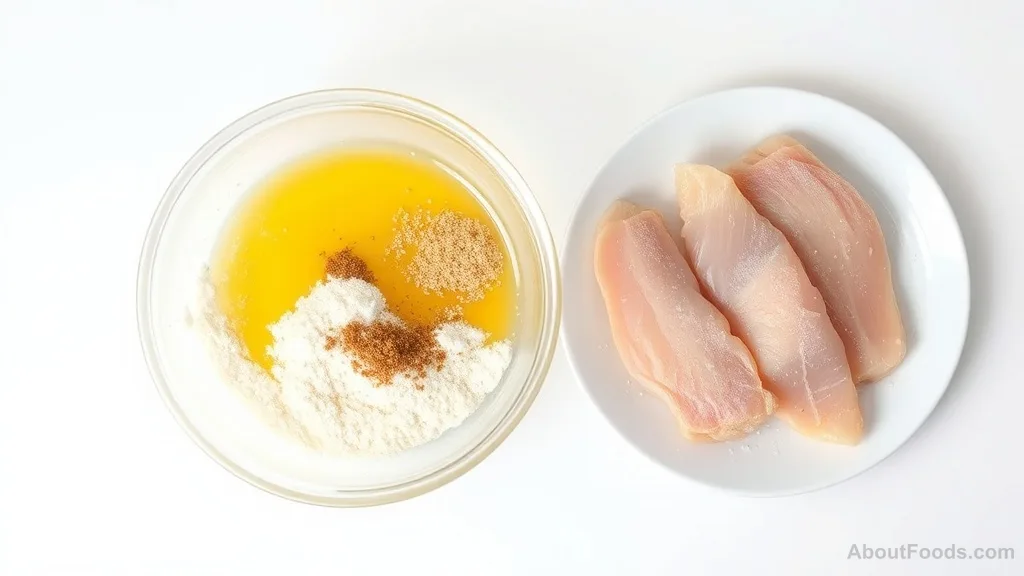
Crispy breading on chicken or fish is a joy; soggy breading is a tragedy. The key is creating a barrier that stays dry during frying. The classic breading station is flour, egg wash, breadcrumbs. But many skip a crucial step: patting the food dry before flouring.
Moisture from raw meat activates gluten in flour, forming a pasty layer that can glue the coating and make it heavy. Instead, dry the surface thoroughly, then season the flour. Lola would even let the breaded pieces rest on a wire rack for 10–15 minutes before frying — this sets the coating and allows any excess moisture to evaporate.
Mistake #4: Broken Emulsions from Temperature Shock
Creating a stable emulsion like mayonnaise or hollandaise can be tricky. Emulsions are mixtures of two liquids that don’t normally mix, like oil and water. The most common mistake is adding oil too quickly or having ingredients at different temperatures. If the emulsion breaks (separates), it looks curdled and feels greasy on the tongue.
To avoid breakage: whisk vigorously or use a food processor; add oil in a slow, steady stream; ensure all ingredients are room temperature. For hollandaise, keep the butter warm but not hot, and the egg yolks at room temperature. My Lola’s secret was a pinch of mustard powder: mustard contains mucilage that helps stabilize the emulsion.
| Mistake | Solution |
|---|---|
| Adding oil too fast | Add in a thin, steady stream while whisking |
| Cold egg yolks | Bring eggs to room temperature before starting |
| Too hot butter | Use warm (not hot) clarified butter |
| Overcrowding the bowl | Use a large bowl or increase whisk speed |
Mistake #5: Grainy or Curdled Custard from Overheating Eggs
Custards, puddings, and sauces thickened with eggs can turn grainy if overheated. Egg proteins coagulate at around 160°F (71°C), and if the mixture gets much hotter, they tighten into small, clumpy curds — resulting in a sandy texture. The solution is gentle, even heating and constant stirring.
Use a double boiler or cook over low heat, and stir with a rubber spatula scraping the bottom and sides. A test to know it's ready: the mixture should coat the back of a spoon and leave a clean line when you swipe your finger. Lola would always taste her leche flan mixture before steaming; she aimed for a sweet, smooth, and slightly thick consistency.
- Temper the eggs by slowly adding hot liquid to them before combining.
- Use a reliable thermometer to stay under 175°F (80°C).
- If curdling begins
- quickly plunge the pan into an ice bath and blend smooth.
Mistake #6: Gummy or Doughy Rice from Wrong Water Ratio and Handling
Perfectly cooked rice should be fluffy and separate. Gummy rice often results from too much water, too little cooking time, or stirring during cooking. Starch granules absorb water and swell; if you stir, you break the grains and release excess starch, creating a gluey texture.
For white rice, use a 1:1.5 ratio (rice to water) by volume. Rinse the rice until the water runs clear to remove surface starch. Once it comes to a boil, cover tightly, lower heat, and simmer for exactly 18 minutes. Remove from heat and let it rest, covered, for 10 minutes. Then fluff with a fork. Lola used a finger measurement: water comes up to the first joint of her index finger when the tip touches the rice.
| Rice Type | Water Ratio | Cooking Time |
|---|---|---|
| White long-grain | 1:1.5 | 15-18 min |
| Jasmine | 1:1.25 | 12-15 min |
| Brown rice | 1:2 | 40-45 min |
| Sticky rice | 1:1.25 | 20 min then steam |
Frequently Asked Questions about Texture and Mouthfeel
Conclusion: Texture Is Also Memory
Every time I cook, I think of Lola. She didn't have a thermometer or know about starch gelatinization, but she understood feel. Texture and mouthfeel are what make food satisfying — they bring comfort, nostalgia, and pleasure. By learning these basic principles, you too can avoid mistakes and create dishes that feel as good as they taste.
Next time you're in the kitchen, take a moment to observe: Is your chicken releasing liquid? Is your pasta water salty enough? Tiny adjustments make a world of difference. And if you mess up? Lola would say, 'Pag natutunan mo, lalo kang magaling.' (If you learn from it, you become even better.).
Rate this article
No ratings yet. Be the first to rate it.

Written by
Miguel Santos
Specialises in Filipino cuisineMiguel learned adobo from his Lola and added a twist: coconut milk AND cane vinegar. He is now considered a folk hero in Manila.
Describe yourself in three words: Proud, nostalgic, talks about his Lola a lot.