Myth Busting
Does Cooking with Aluminum Foil Cause Alzheimer’s? The Science Behind the Myth
For decades, rumors have linked aluminum cookware and foil to Alzheimer’s disease. Here’s what the evidence actually says — and a few real kitchen risks you should know about instead.
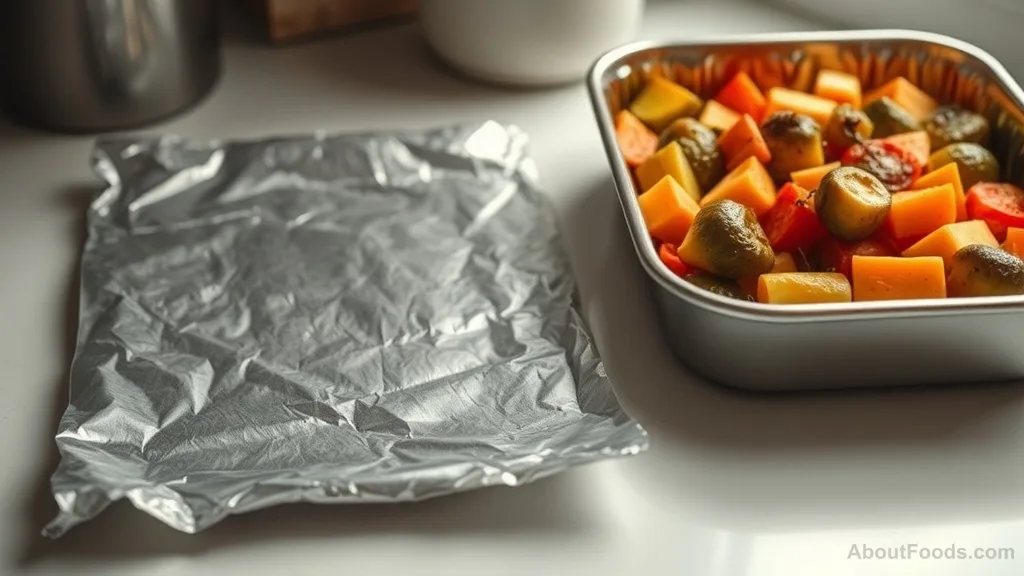
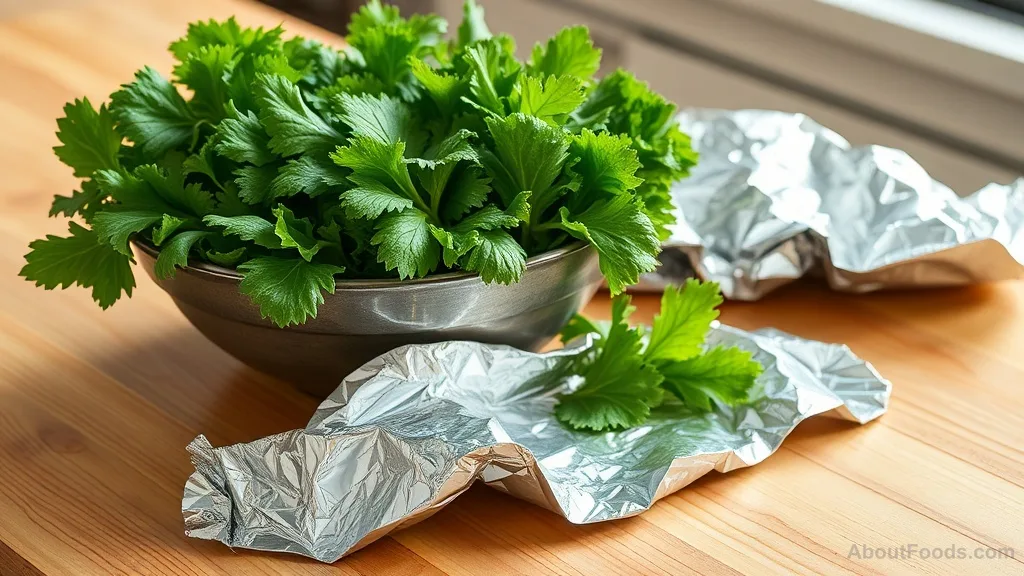
Why This Myth Won’t Go Away
If you’ve ever heard that cooking with aluminum foil could give you Alzheimer’s, you’re not alone. This myth has been circulating for decades, whispered in kitchens and shared in emails. It sounds plausible enough — we touch, wrap, and bake with foil constantly. But as a food science editor with a keen eye on evidence, I’ve dug into the research. The truth? There is no strong scientific link between aluminum from cookware and Alzheimer’s disease. In fact, the human body is remarkably good at keeping dietary aluminum out of your brain. Let's separate fact from fiction.
The myth first gained traction in the 1960s and 70s when studies found elevated aluminum levels in the brains of some Alzheimer’s patients. But correlation is not causation. Later, better studies found that aluminum in the brain could be a consequence — not a cause — of the disease. Meanwhile, our everyday exposure from foil is tiny compared to what you get from food and water.
How Much Aluminum Leaches from Foil?
When you cook with aluminum foil, small amounts of aluminum can transfer into your food. The amount depends on the food type, cooking temperature, and time. Acidic or salty foods, such as tomato sauce or marinated meats, draw out more aluminum. But even so, the concentrations are far below levels considered harmful by health authorities.
For context, the World Health Organization sets a tolerable weekly intake of 2 mg of aluminum per kilogram of body weight. That’s about 140 mg per week for a 70 kg person. Studies show that cooking tomato sauce in aluminum foil at 200°C for an hour might add 1–4 mg of aluminum per serving. To hit that safe limit, you’d need to eat dozens of foil-cooked meals weekly.
Our Body’s Natural Aluminum Filter
Your gut is surprisingly smart about aluminum. Most of the aluminum you swallow passes right through without being absorbed. The small amount that does enter your bloodstream gets filtered out by your kidneys and leaves your body in urine. Less than 1% of dietary aluminum is absorbed — and even that is mostly prevented from crossing into the brain by the blood-brain barrier, a protective wall around your central nervous system.
Yes, some aluminum will end up in your tissues over a lifetime, but the body has robust mechanisms to manage it. While people with kidney disease may need to limit aluminum intake, for healthy individuals, the occasional foil-wrapped baked potato is not a concern.
We also get aluminum naturally from many foods: tea leaves, spices, potatoes, spinach, and even drinking water. A foil-wrap meal adds only a small increase on top of that natural baseline. In fact, studies estimate that dietary intake from all sources is far below the tolerable levels set by regulatory agencies.
What the Research Really Says
The idea that aluminum somehow causes Alzheimer’s originated from old studies that found debris of aluminum in the senile plaques — sticky protein clumps — in Alzheimer’s brains. But researchers later realized that those samples could have been contaminated by the staining dyes, which contained aluminum.
Modern epidemiological studies have not found a consistent link between aluminum exposure from food and Alzheimer's risk. A 2017 review in the journal Frontiers in Aging Neuroscience concluded that "the evidence for aluminum as a causal factor in Alzheimer's disease is not convincing." Similarly, the Alzheimer's Society, the National Institutes of Health, and countless clinical reviews all agree: current research does not support the claim that aluminum cookware increases Alzheimer's risk.
- Aluminum absorption from food is minimal (<1%).
- The brain-blood barrier limits aluminum entry to the brain.
- Studies often contaminated samples or failed to prove causation.
- Dietary aluminum levels from foil are far below safe limits.
- Public health agencies worldwide do not warn against aluminum foil use.
Real Kitchen Risks You Should Pay Attention To
While aluminum foil may not cause Alzheimer’s, there are genuine concerns to keep in mind when using it in the kitchen. The largest is physical safety: sharp edges of foil can cut fingers. There’s also the risk of small metal pieces tearing off into food if the foil shreds.
Also, overheating foil in the microwave can cause sparks and fires. And wrapping acidic foods for long-term storage may cause the foil to corrode and leave metallic taste or worse, tiny flakes in your dish — not dangerous, but not pleasant.
Nevertheless, for most home cooking — lining a baking tray, covering a casserole, wrapping potatoes — foil is perfectly safe. If you have special concerns, you can easily swap to parchment paper, glass cookware, or silicone mats.
- Do this: Use foil for roasting, baking, grilling at moderate temperatures. Avoid acid-high foods for long sessions.
- Don't do this: Don't use foil in microwaves unless microwave-safe. Don't wrap acidic foods tightly for storage.
- Alternative: Replace foil with parchment paper for lining baking sheets. Use glass or ceramic dishes for reheating.
Frequently Asked Questions
The Takeaway
Cooking with aluminum foil will not give you Alzheimer’s. The myth lives on because it plays on natural fears about chemicals and aging, but the evidence is clear — our bodies handle dietary aluminum incredibly well, and decades of research haven’t turned up a credible link. So go ahead, use that foil to make your roasted vegetables crispier, your fish moist, and your cleanup easier. Just keep the acid-soaked marinades in glass if you want the best taste. Concern is healthy — but in this case, rest easy.
Rate this article
No ratings yet. Be the first to rate it.

Written by
Zeynep Yilmaz
Specialises in Turkish cuisineZeynep makes baklava with pistachios from her hometown of Gaziantep. She will tell you the exact village.
Describe yourself in three words: Proud, nutty, regionalist.