Kitchen Techniques
Deep Dive vs. Guesswork: What Actually Matters in the Kitchen
Stop guessing and start cooking with confidence. This article cuts through the noise, explaining exactly which kitchen variables deserve your attention—and which ones you can safely ignore.
The Anxiety of the Ambitious Cook
As someone who once panicked over the difference between a pinch and a dash, I get it. Cooking is full of variables, and the internet tells you they all matter equally. But they don't. Some variables are the difference between a perfect steak and a shoe sole; others are just noise. So let me help you—because I've stress-tested, measured, and burned my way through this. Stop flailing. Start focusing.
What Actually Matters? A Quick Cheat Sheet
The Overlooked King: Temperature
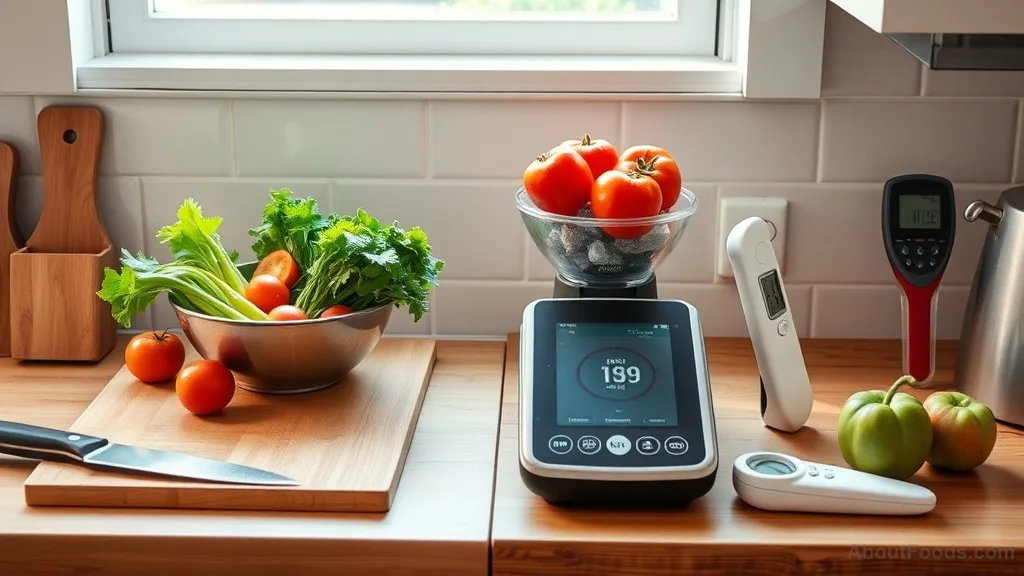
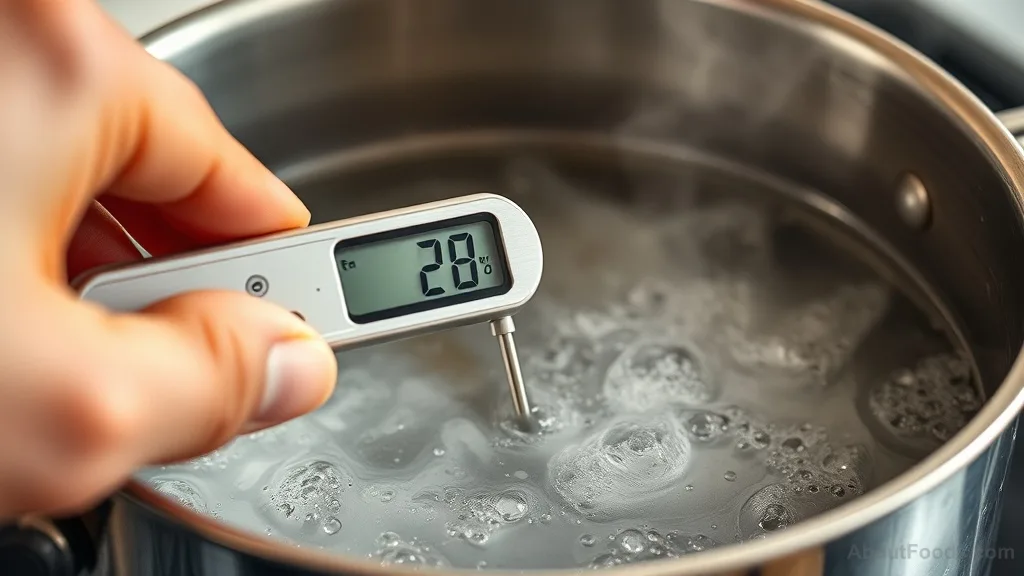
If you remember nothing else, remember this: temperature is the single most undervalued variable in home cooking. I cannot tell you how many recipes say "sear on medium-high" as if that means the same thing on every stove. It does not. Your "medium-high" is my "burn the garlic to ash" setting. So get a digital thermometer. Measure your pan's surface temperature, your oil's temperature, your water's temperature. Yes, it's annoying. But it's the difference between consistent results and tragic guesswork.
The Myth of the 'Perfect' Recipe
Here's something I finally learned after too many late-night kitchen meltdowns: the recipe itself is often the least important variable. A great recipe won't save you if your oven runs 25°F cool or your measuring cups are inconsistent. Variables like flour hydration, egg size, and even the humidity in your kitchen can override the author's best intentions. Instead of chasing the "perfect" recipe, learn to read the food. Dough shouldn't be sticky? Then what should it feel like? That knowledge (and a digital scale) matters far more.
When Precision Doesn't Help (and When It Does)
Not every situation requires lab-grade accuracy. If you're braising a tough cut of meat, the exact oven temperature is less critical—your connective tissue will break down over a range of 180°F to 205°F. But if you're making a delicate custard or tempering chocolate, a 5°F swing can ruin hours of work. The trick is knowing which camp your dish falls into. For me, the rule is: if the window of success is narrow, measure accurately; if it's wide, relax your shoulders. (But still set a timer, for goodness' sake.).
Putting It Into Practice: A Quick-Reference Guide
- Get a kitchen scale (digital
- under $20). Use it for flour
- salt
- sugar
- and anything you want to replicate.
- Get a digital instant-read thermometer. Check oil temp
- steak doneness
- bread doneness
FAQs: The Worries You're Too Embarrassed to Ask
Do I really need a kitchen scale?
Yes. Flour, salt, and sugar measured by volume are wildly inconsistent. A scale is a one-time purchase that eliminates guesswork permanently. Bow to the scale.
How do I know if my oven temperature is accurate?
Buy an oven thermometer (the kind that hangs on the rack). Set your oven to 350°F, wait 20 minutes, and see what the thermometer reads. Many ovens are off by 25–50°F.
Should I always use a thermometer when cooking meat?
If you want it cooked properly, yes. Resting is not negotiable either—carryover cooking can raise internal temp by 5–10°F. So take it off 5°F before target.
What's the biggest mistake home cooks make with heat?
Using too high heat for everything. Browning requires heat, but not inferno-level. Also, not preheating the pan. Give it time to reach an even temperature.
The Takeaway: Cook with Data, Not Drama
I know cooking anxiety intimately—it's the voice that says you're doing everything wrong. But here's the truth: you only need to focus on a handful of variables to get consistently good results. Temperature, time, and measurement consistency will cover 80% of your problems. The rest is art (and permission to mess up). So go forth. Measure your flour. Check your oven. And don't let anyone tell you a recipe is more important than understanding the food. You've got this. No need to panic.
Rate this article
No ratings yet. Be the first to rate it.
Written by
Mei Wu
Specialises in Chinese cuisineMei is a cautious perfectionist who makes delicate soup dumplings and has no patience for ruined brownies.
Describe yourself in three words: Anxious, caring, slightly exasperated.