Myth Busting
Does ‘Deglazing’ With Wine Actually Extract More Flavor Than Water?
We pit wine against water in a flavor extraction showdown. Spoiler: yes, wine does more, but not for the reasons you think. Let's get the science straight.
What Is Deglazing, Really?
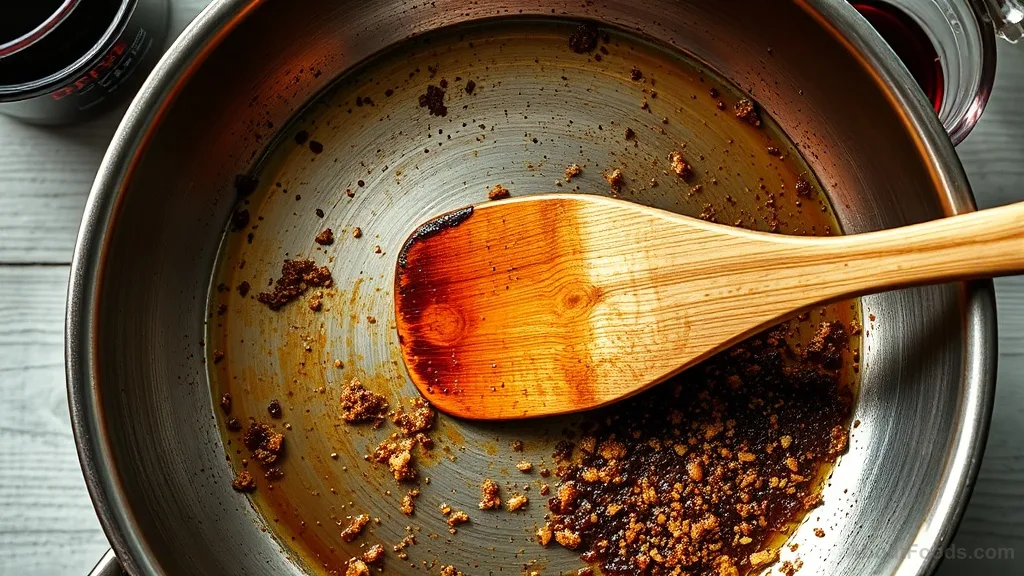
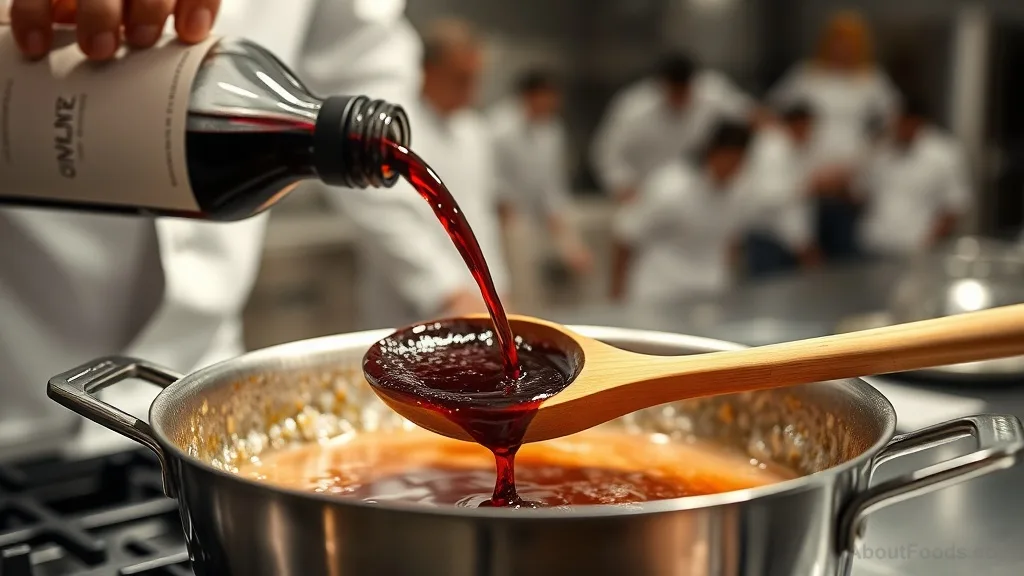
Okay, okay. Let's start at the very beginning – because if you are like my auntie who once asked if deglazing is a fancy dance move, we have some ground to cover. Deglazing is that beautiful moment after you've seared a piece of meat or sautéed some vegetables, and you see those little browned bits stuck to the bottom of the pan. Those bits, my friend, are called the 'fond' – that's French for 'base,' and it is packed with flavor. To deglaze means to add a liquid to that hot pan and scrape up all that fond, creating the foundation for a pan sauce, gravy, or braising liquid.
Now, here's the big question that has home cooks and chefs arguing like two tamarind vendors over the last lemon: does the liquid you choose—wine versus plain old water—actually make a difference in how much flavor you extract? The myth says that wine is superior because of its alcohol and acidity. But is that backed by science, or is it just another piece of kitchen folklore? Let's dig in, with our spatulas and lab goggles on.
The Science of Solubility: Why Some Flavors Love Alcohol
Here comes the science part – but don't worry, I'll explain it twice, just like a good dada would. The first thing to know: taste compounds (the molecules that make food taste like, well, food) are not all created equal. Some are water-loving – we call them hydrophilic – and others are fat-loving or alcohol-loving – those are lipophilic. The browning that creates the fond, called the Maillard reaction (say it with me: my-yard, like your backyard), produces a whole bunch of these lipophilic compounds. These are molecules like pyrazines, thiazoles, and furans that smell nutty, roasty, and deeply savory.
Water, being the shy homebody it is, can only dissolve water-soluble compounds – things like salt, sugar, and certain amino acids. But the concentrated browned bits on your pan? Those contain many non-water-soluble compounds that water simply cannot grab. Wine, on the other hand, contains both water and ethanol (alcohol), plus various acids. Ethanol is a solvent that can dissolve both water-soluble and many fat-soluble compounds. So when you pour wine into your hot pan, it's like having a bilingual negotiator that can talk to both the water-friendly and the fat-friendly flavor molecules. The alcohol helps release flavors that water would leave stuck to the pan, and the acid in wine (mostly tartaric and malic acids) helps break down the sticky proteins that bind the fond to the pan. This makes your pan sauce more complex and intense than one made with water alone.
Does the Alcohol Actually Cook Off? And Does It Matter? There Are Two Laughing Emojis.
Ah, the old chestnut – 'the alcohol burns off during cooking.' Well, yes and no. I know, I know. You came here for myths, and I am mything with you. The truth is, alcohol does not completely evaporate unless you cook it for a long time—like overnight. Even after 30 minutes of simmering, about 35% of the alcohol can remain. For a quick deglaze that takes just minutes, you are left with at least 50% of that original alcohol. But here's the thing: even a little bit of alcohol is enough to help dissolve those fond flavors.
But wait—the real hero here is not that leftover alcohol, but the other molecules that come along for the ride. The acidity, the fruity esters, and the sugars in wine all contribute flavor beyond just pulling from the fond. Water simply adds steam and humidity, lifting some fond but not much else. Using wine is like sending a Michelin-star chef to do the job; water is like sending a newbie intern. The intern can still free the fond, but the chef also dresses it up and makes it sing.
Practical Kitchen Test: Wine Versus Water Sauces
As you can see from the table, water gets the job half-done. However, a common trick chefs use is to finish the wine-sauce with a knob of butter – and that makes the science work even better. But that's a story for another article.
So, Is the Myth Busted? Let Me Explain Twice
Is it true that wine extracts more flavor than water? Short answer: yes. Detailed answer: y-e-s, because the combination of ethanol and organic acids (like tartaric, citric from certain wines, and especially if you use a wine that has gone through malolactic fermentation—rhea!) creates a situation where more flavor compounds from the fond are dissolved into your sauce. Water cannot do that. So yes, the myth is basically true, but the common belief is half-baked. Some people think it's the *flavor* of the wine alone that makes the difference, but the real magic is the alcohol and acid working as extraction tools.
However, let me add a huge asterisk: this does *not* mean that water is useless. If you have a fond from extra fatty meat like duck, or you're building a stock, water—or more precisely, broth—works great. In everyday home cooking, deglazing with water is perfectly fine if you're going to add wine later in the process, but if you want the most extraction from those beautiful brown specks, choose wine or a mix of wine and stock. Conclusion: wine *does* extract more flavor, thanks to its chemical solvents; it's a kitchen tool disguised as a beverage.
Frequently Asked Questions (The 'Chai and Chat' Segment)
Can I use any wine for deglazing, or is a specific type required?
Use a wine you'd happily drink—or at least not spit out in disgust. Dry reds (like Cabernet) for red meats, dry whites (like Sauvignon Blanc) for poultry and fish, and never 'cooking wine' which is salty and chemically. Sweet wines can work for some glazes but watch the sugar, it might burn.
What if I don't drink alcohol? Can I still deglaze?
Absolutely! For the flavor extraction alone, you can use non-alcoholic wine (check for acidity) or fortified stock or vinegars diluted with water—but that changes the chemistry a little. Vinegar and citrus can still release fond, but you may need to balance with sweetener or butter at the end.
Is there a risk of my sauce turning alcoholic?
If you cook the wine for only a minute, yes, some alcohol will remain. For most people this is irrelevant, but if you avoid alcohol, cook wine for a few extra minutes. Remember: half the alcohol remains even after 30 minutes of boiling! Not great news for teetotallers. Alternatives: white grape juice with a dash of vinegar mimics wine.
So, to answer your initial question: Yes, deglazing with wine extracts more flavor than water. Armed with science, go make incredible pan sauces and impress the whole town. Cheers—or should I say, cheers to fond!
Rate this article
No ratings yet. Be the first to rate it.

Written by
Ravi Sharma
Specialises in Indian cuisineRavi is a former IT consultant who now runs a popular YouTube channel called 'Dal-vid'. His tarka technique is flawless.
Describe yourself in three words: Enthusiastic, pun-loving, explains everything twice.