Myth Busting
Does a Roux Actually Need to Be Cooked Until Brown for Flavor?
A roux doesn't have to be brown to be flavorful. The color determines the flavor profile and thickening power, and each shade—from white to dark brown—has its ideal use.
Introduction: The Roux Myth
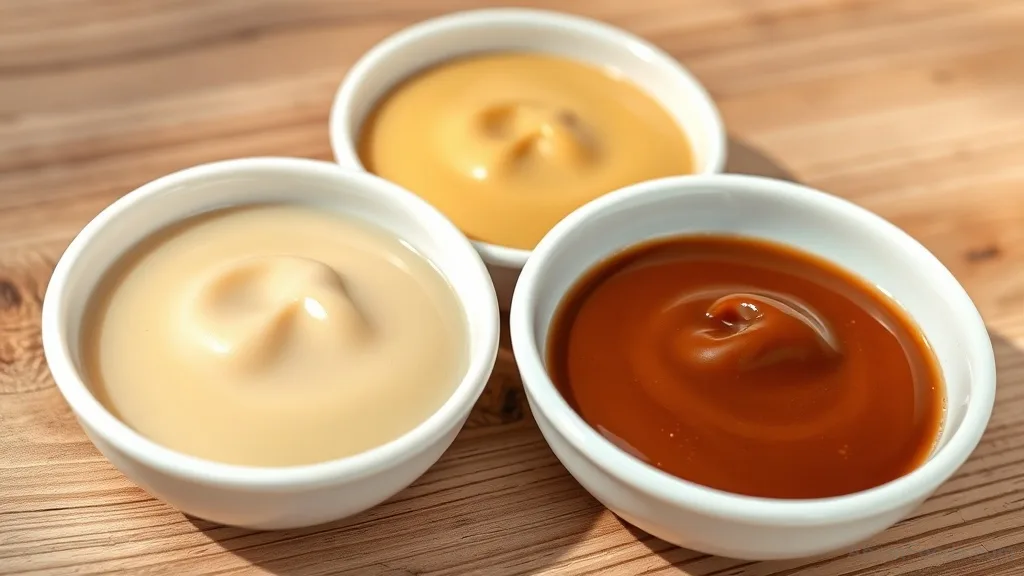
If you've ever made a gumbo or a béchamel, you've encountered the roux—a simple mixture of flour and fat cooked together. A common belief in kitchens is that a roux must be cooked until brown to develop flavor. But is that really true? The answer is more nuanced. A roux can be pale, golden, or dark brown, and each stage offers a different flavor and thickening ability. Let’s unravel the science behind roux colors and put this myth to rest.
What Exactly Is a Roux?
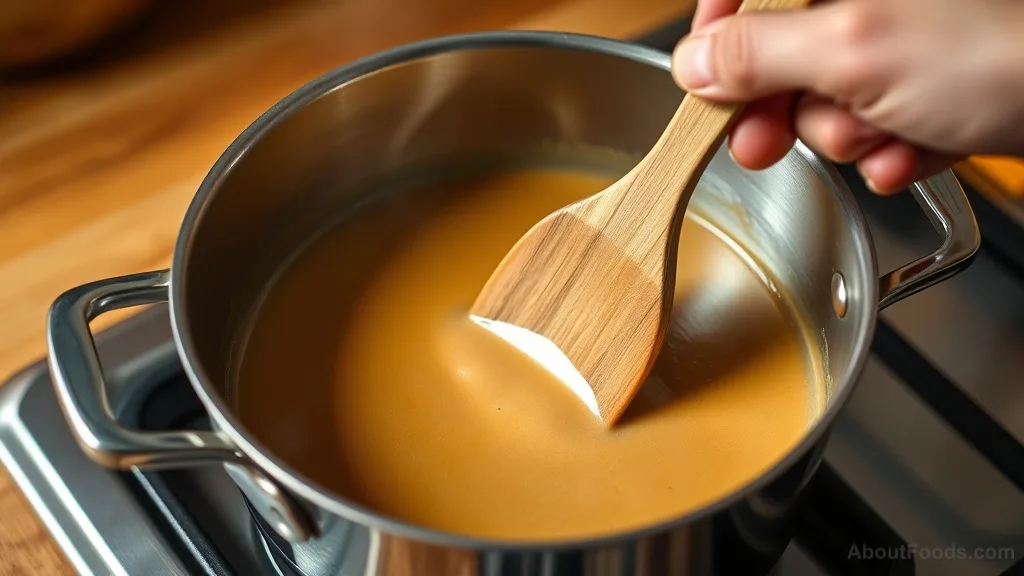
A roux is a cooked mixture of equal parts flour and fat, typically butter, oil, or drippings. Its primary role is to thicken sauces, soups, and stews. The flour's starch granules absorb the fat, which coats them and prevents clumping when liquid is added. As the roux cooks, the starches break down and swell, thickening the liquid. But cooking also initiates browning reactions that change the roux's flavor and color.
The Science of Roux Color: Starch vs. Browning
The color of a roux is a result of two processes: gelatinization of starch and browning reactions. Initially, heating breaks down starch granules and allows them to absorb liquid. As cooking continues, the Maillard reaction and caramelization occur. The Maillard reaction involves amino acids and reducing sugars, creating complex, savory flavors. Caramelization is the browning of sugars alone, adding sweetness and deeper color. Both reactions reduce the thickening power of the roux because the starch molecules are broken down further. So a darker roux thickens less than a light one.
How Cooking Time Affects Flavor and Thickening
Here’s a breakdown of common roux stages and their characteristics:.
| Roux Type | Cooking Time | Color | Flavor |
|---|---|---|---|
| White Roux | 2–5 minutes | Pale, no browning | Mild, rich from fat |
| Blond Roux | 5–10 minutes | Golden tan | Nutty, toasty |
| Brown Roux | 15–30 minutes | Peanut butter to dark brown | Deep, toasted, complex |
| Dark Brown Roux | 30–45 minutes | Chocolate or mahogany | Intense roasted, almost smoky |
White roux is ideal for delicate sauces like béchamel, where you want smooth thickening without browning. Blond roux adds a hint of nuttiness to veloutés. Brown roux is the base for gumbo and other hearty dishes, lending deep flavor. Dark brown roux is used in Cajun and Creole cooking for its distinct taste, but you need more of it to achieve the same thickness.
Common Mistakes When Cooking a Roux
- Rushing the process: Cooking too fast can lead to burnt spots or uneven browning. Stir constantly over medium heat.
- Using too high heat: High heat can scorch the flour before it browns. Low to medium heat is safer.
- Not stirring enough: A roux can burn quickly if left unattended. Constant stirring ensures even cooking.
- Adding liquid too quickly: If you dump cold liquid into a hot roux
- it can cause lumps. Add liquid slowly while whisking.
- Stopping at the wrong color: Match the roux color to your dish. Using a dark roux for a delicate sauce overpowers its flavor.
Which Roux Should You Use?
The choice depends on your dish. For a creamy bechamel or a classic white sauce, use a white roux. If you want a smoother, nuttier base for a sauce, blond roux works well. For stews, gumbo, or dishes where color and deep flavor are desired, cook the roux to a brown or dark brown. Remember that darker roux has less thickening power, so you may need to use more roux per volume of liquid or cook longer to achieve desired consistency.
Frequently Asked Questions About Roux
Rate this article
No ratings yet. Be the first to rate it.

Written by
Linh Nguyen
Specialises in Vietnamese cuisineLinh makes pho that takes 12 hours. She says the secret is charring the ginger and onion until they weep.
Describe yourself in three words: Quiet, devoted, smells of star anise.