Myth Busting
Does Adding Baking Soda to Beans Really Reduce Gas?
The practice of adding baking soda to beans to reduce gas is a common kitchen myth. While it can help break down some of the gas-causing compounds, it comes with significant trade-offs in texture, flavor, and nutrition. Here's what the science says and what actually works.
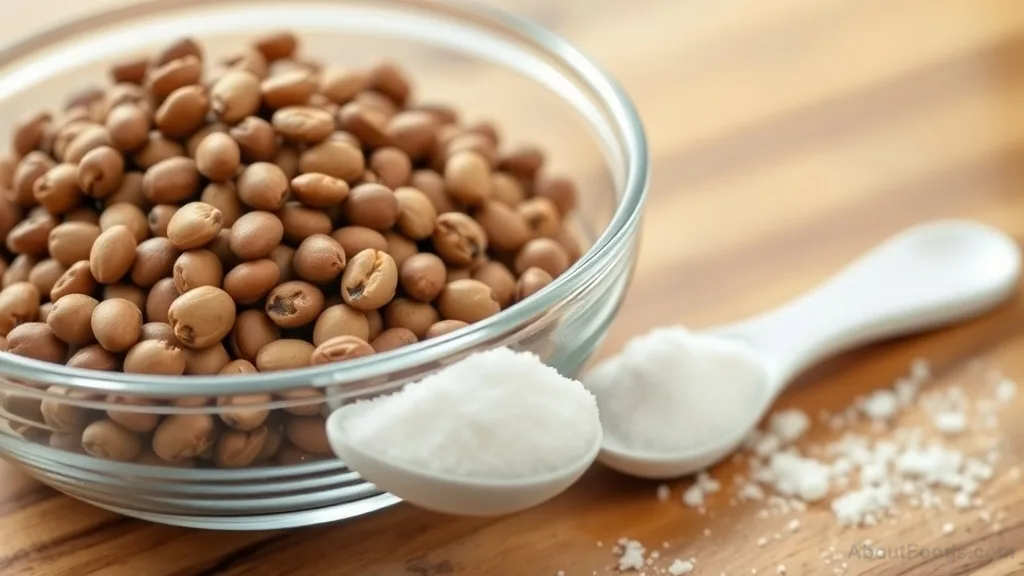
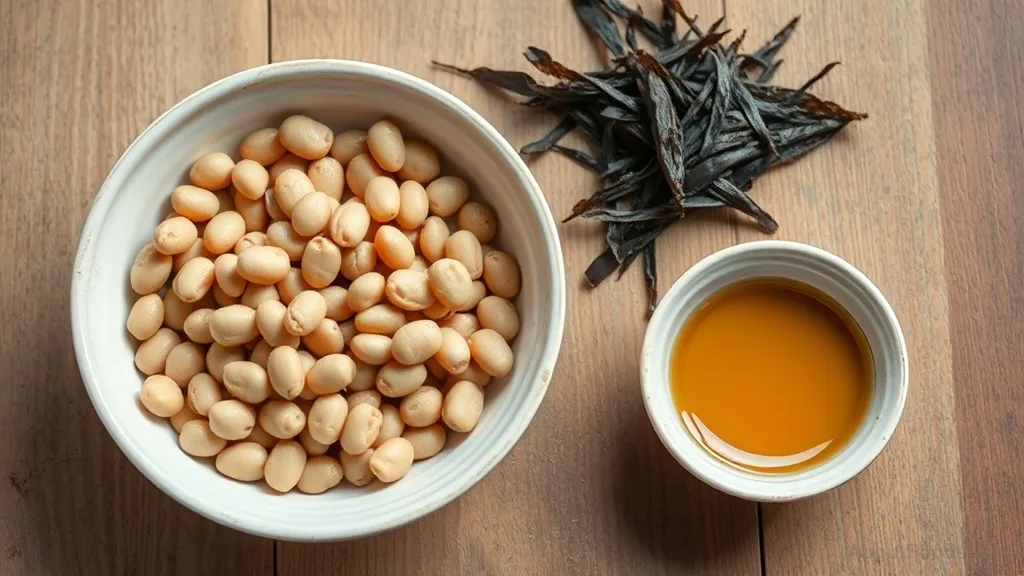
The Myth: A Pinch of Baking Soda for Gas-Free Beans
If you've ever soaked dried beans, you've probably heard the tip: add a little baking soda to the water, and it'll make them less gas-producing. Passed down from grandmothers and cookbook writers alike, this trick claims to soften beans faster and make them easier to digest. But does it actually work? And at what cost?
Before we get into the science, let's be clear: the desire to reduce gas from beans is real. Beans are packed with complex sugars called oligosaccharides — specifically raffinose, stachyose, and verbascose — that our bodies lack the enzymes to break down. Instead, they travel to the large intestine where bacteria ferment them, producing gas. So the question is whether baking soda can help break down these sugars before they reach your gut.
What Baking Soda Actually Does
Baking soda is sodium bicarbonate, a weak alkali that raises the pH of the soaking or cooking water. In an alkaline environment, the pectin in bean cell walls breaks down more quickly, which can speed up softening. This is why some chefs suggest it for older, tougher beans.
But here's the key point: oligosaccharides are not particularly susceptible to alkaline breakdown at the concentrations used in home cooking. They are stable sugars that require specific enzymes (alpha-galactosidase) to be cleaved. A simple soak with baking soda simply doesn't do much to them.
As you can see, baking soda doesn't stack up well against other methods when the goal is reducing gas. And it brings some notable downsides.
The Hidden Trade-offs: Texture, Flavor, and Nutrition
While baking soda can indeed soften beans fast, it often does so at the expense of structure. The alkaline environment makes the pectin break down too eagerly, giving you mushy beans that may fall apart during cooking. This is great if you're making refried beans, but not if you want intact beans in a salad or chili.
Flavor also suffers. Baking soda gives beans an unmistakable soapy or metallic taste that can linger even after rinsing. It's especially noticeable in lightly seasoned dishes.
Perhaps most importantly, baking soda degrades nutrients. Thiamine (vitamin B1) and other water-soluble B vitamins are sensitive to alkaline conditions. A study in the Journal of Food Science found that cooking kidney beans with baking soda led to a 50% reduction in thiamine compared to cooking without. Additionally, the increased sodium content can be a concern for those watching their salt intake.
- Mushy
- collapsed texture: High pH destroys pectin
- the backbone of bean cell walls.
- Soapy flavor: The alkaline taste is hard to mask and can ruin a delicate dish.
- Nutrient loss: Thiamine and other B vitamins degrade in alkaline conditions.
- Added sodium: As little as 1 tsp of baking soda adds over 1
- 000 mg of sodium.
Why the Soaking Method Is Still the Gold Standard
The most reliable way to reduce gas-producing oligosaccharides is simply to soak dried beans and discard the water before cooking. Many home cooks wonder where this tip got lost, but the science is solid. When beans are soaked for at least 8 hours, the oligosaccharides leach into the water. By discarding that water and cooking with fresh water (or broth), you remove a significant portion of the sugars.
A hot-soak method (boiling beans for 2–3 minutes, then soaking for 1 hour) is also effective and faster for those short on time. And even if you don't soak at all, cooking beans can still break down some oligosaccharides — just far less efficiently than soaking. Pressure cooking is another option that yields nicely softened beans without the gas-reduction of soaking.
For those seeking an extra edge, adding a strip of kombu seaweed to the soak water releases natural enzymes that break down some of the raffinose family sugars. This is a trick long used in Japanese cooking and it has no downside in flavor or texture.
When Baking Soda Is Actually Useful
Does this mean you should never use baking soda with beans? Not quite. There are two scenarios where a small amount of baking soda can be helpful.
- Graying beans: If you have a pot of chickpeas or white beans and want to keep their color bright
- a pinch of baking soda (about 1/8 tsp per cup of beans) in the cooking water can help. The alkaline pH prevents the natural pigments from oxidizing and turning dull.
- Steel-cut toughness: For exceptionally old or hard beans that don't seem to soften
- baking soda can help jump-start the softening process. Start with just 1/4 tsp per cup of beans in the soak water
- rinse them thoroughly
- then cook normally.
Even in these cases, use it sparingly and always with caution. Too much, and you'll ruin the pot.
Does adding baking soda to beans actually reduce gas?
Only marginally. Soaking beans and discarding the water is far more effective. Baking soda primarily breaks down pectin, not the oligosaccharides that cause gas.
What is the best way to reduce gas from beans?
Soak dried beans for at least 8 hours (or do a hot soak), then drain and rinse before cooking. Adding a strip of kombu to the soak water can help further reduce gas.
Does pressure cooking beans reduce gas?
No differently than regular cooking. Soaking is still the key step for gas reduction.
Can I use baking soda to soften beans faster?
Yes, but only use a very small amount (1/8 tsp per cup of beans) and only for beans that are unusually hard. Overuse leads to mushy texture and soapy flavor.
Is baking soda in beans safe?
In tiny amounts, yes, but it adds significant sodium. Those on low-sodium diets should avoid it.
The Verdict on Baking Soda and Bean Gas
So does adding baking soda to beans really reduce gas? The nose knows: not much. The science shows that the primary gas-causing sugars aren't significantly affected by a short alkaline soak, and the potential downsides — mushy beans, off-flavors, and nutrient loss — make it an impractical method for everyday cooking.
Instead, stick with true time-tested techniques: soak and rinse, cook thoroughly, and perhaps add a piece of kombu. Your beans will come out beautifully textured, flavorful, and far more digestible. And if you add baking soda at all, let it be for color or softening — not for gas relief.
Remember: the secret to enjoying beans without discomfort isn't a single magic ingredient, but simple kitchen habits rooted in food science.
Rate this article
No ratings yet. Be the first to rate it.

Written by
Thiri Tun
Specialises in Burmese cuisineThiri is a tea leaf salad master who ferments her own tea leaves in a clay pot. She will not tell you the recipe.
Describe yourself in three words: Mysterious, secretive, delicious.