Myth Busting
Does Adding Oil to Cheese Prevent Clumping in Sauces? The Science Behind Smooth, Silky Cheese Sauces
Adding oil to cheese before melting can help reduce clumping by coating the cheese proteins and preventing them from bonding. But the real key to a smooth sauce lies in controlling heat, starch, and acidity.
The Myth: Oil Keeps Cheese from Clumping
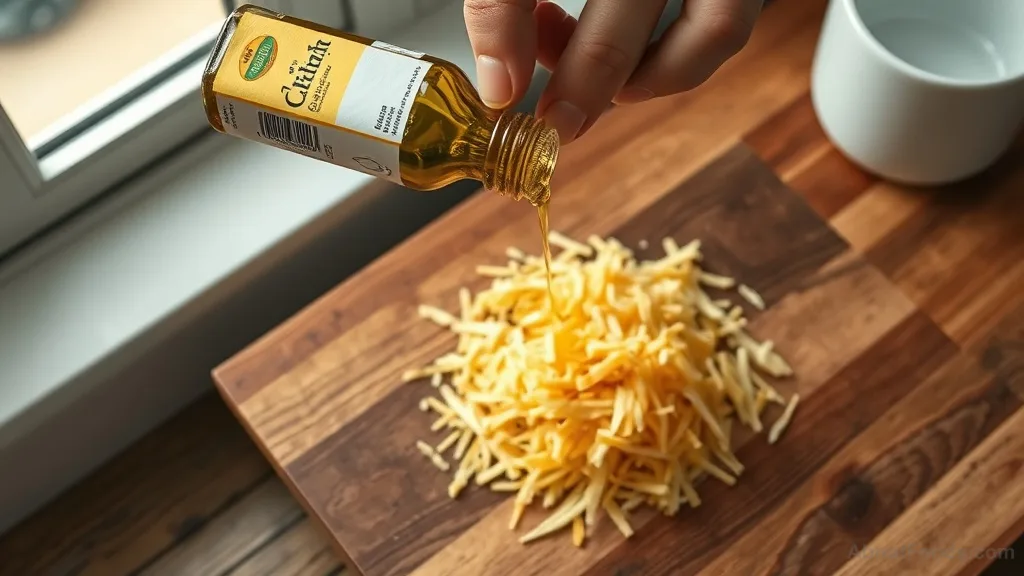
I’ve heard it many times: “Just toss your shredded cheese with a little oil before adding it to the sauce, and it won’t clump.” The idea sounds reasonable—if you coat the cheese particles in oil, they can’t stick together, right? It’s the same principle as coating pasta with oil to prevent sticking. But when it comes to cheese sauce, the reality is more nuanced. Let’s break down what actually happens when you melt cheese and why clumps form.
Why Cheese Clumps in Sauces: The Role of Protein Coagulation
Cheese is essentially a concentrated network of milk proteins (mainly casein) and fat. When you heat cheese, the fat melts and the proteins begin to denature—that is, they unwind and then try to re-bond with each other. If the environment is too hot or lacks enough liquid or emulsifiers, the proteins bond too tightly, squeezing out the fat and water. This creates a grainy, clumpy mess. The clumps are aggregated protein strands that have lost their ability to stay dispersed.
Adding oil might seem like a good way to block these protein interactions, but oil alone is not an emulsifier. It can coat some cheese particles, but under heat, the oil can separate and float to the top, leaving the proteins exposed. The key to preventing clumping is to control the conditions that cause protein aggregation—temperature, pH, and the presence of emulsifying salts or starch.
Does Oil Help at All? The Limited Role of Fat
There is a kernel of truth behind the oil trick, but it’s a weak one. Coating cheese shreds with oil can physically separate them before heating, which might reduce initial clumping from shreds fusing together. However, once the cheese melts, the oil does not stabilize the sauce. In fact, if you add too much oil, you risk breaking the emulsion—the fat and water will separate, leaving you with a greasy, curdled sauce. So while oil can prevent shreds from sticking to each other in the bowl, it does not prevent the scientific process of protein coagulation during melting.
What Really Works: Three Scientifically Proven Methods
To make a smooth, non-clumpy cheese sauce, you need to stabilize the protein network. Here are three proven approaches, all grounded in food science.
1. Use Starch as a Buffer
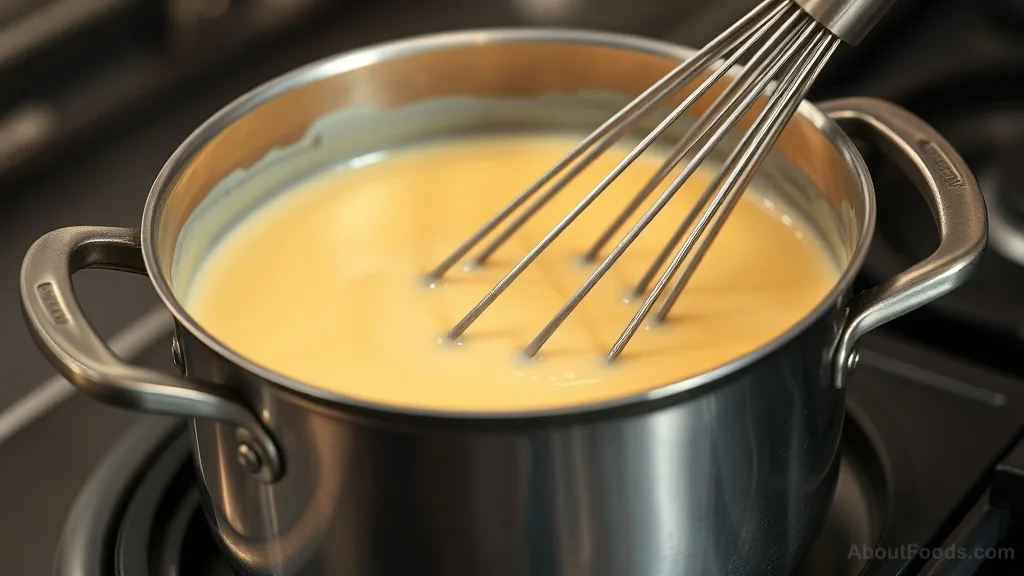
Starch molecules (from flour, cornstarch, or pasta water) physically get between the cheese proteins, preventing them from forming large clumps. A classic roux-based sauce or adding a cornstarch slurry to cheese fondue works because the starch absorbs water, swells, and creates a barrier. This is why many mac and cheese recipes start with a béchamel—it’s the starch that keeps the cheese sauce smooth.
2. Control the Heat
Cheese proteins denature and coagulate rapidly above 65°C (149°F). If you add cheese to a boiling sauce, you’re asking for clumps. Instead, remove the sauce from heat and stir in the cheese off the burner. Add it in small handfuls, allowing each batch to melt fully before adding more. Low and slow is the mantra.
3. Add an Emulsifying Salt (Sodium Citrate)
Sodium citrate is a salt derived from citric acid. It works by chelating calcium ions that normally help casein proteins stick together. By removing calcium, sodium citrate allows the proteins to unfold and form a stable, creamy emulsion without clumping. This is the secret behind velvety cheese sauces in modernist cuisine. You can find it online or in specialty stores. Use about 1 teaspoon per pound of cheese.
Common Mistakes That Cause Clumping
- Adding cheese to a boiling liquid: High heat denatures proteins too quickly
- causing them to coagulate into clumps. Always lower the heat or remove the pan from the burner.
- Using pre-shredded cheese: Pre-shredded cheese contains anti-caking agents like potato starch or cellulose
- which actually help prevent clumping by absorbing moisture. But it also often has lower moisture content
- making it more prone to clumping if not heated gently. Freshly shredded cheese gives you more control.
- Adding too much oil or fat: While a little fat is fine
- excess oil can separate and break the sauce. Stick to the cheese’s own fat plus a minimal amount of oil if desired.
- Not using enough liquid: A higher ratio of liquid (milk
Quick Reference: Cheese Sauce Troubleshooting
| Problem | Cause | Solution |
|---|---|---|
| Cheese clumps | Proteins coagulate due to high heat or lack of stabilizers | Use lower heat, add starch, or use sodium citrate |
| Grainy texture | Proteins over-coagulate and separate from fat | Add an acid like lemon juice to adjust pH, or use a processed cheese with emulsifiers |
| Sauce breaks (fat separates) | Emulsion collapses from overheating or too much fat | Remove from heat, stir in a tablespoon of cold milk or cream, or re-emulsify with an immersion blender |
| Sauce too thick | Too much starch or cheese, not enough liquid | Thin with milk, broth, or pasta water while whisking over low heat |
The Verdict: Does Oil Help? Partially, But Not Reliably
I’ve tested the oil trick side by side: one batch of cheddar tossed in oil, another tossed with a cornstarch slurry. The oil-coated cheese did initially separate slightly better in the bowl, but once melted, it clumped just as much as the untreated cheese when added to hot milk. The cornstarch slurry, on the other hand, gave a silky sauce. If you want to use oil, think of it as a mild anti-sticking aid for the shreds, not a solution for sauce stability. For guaranteed smoothness, invest in proper technique: low heat, or better yet, a pinch of sodium citrate.
Frequently Asked Questions
Rate this article
No ratings yet. Be the first to rate it.

Written by
Hyunwoo Kim
Specialises in Korean cuisineHyunwoo makes kimchi by hand in a traditional onggi pot. He speaks to it like a pet.
Describe yourself in three words: Devoted, fermented, kimchi whisperer.