Myth Busting
Fact vs. Fiction: Does Blanching Vegetables Really Lock in Color?
Blanching can help vegetables retain bright color, but the science involves more than just a quick dip. Learn when and how blanching works, what it actually does to pigments, and which methods preserve color best.
The Claim: Blanching Locks in Color
Walk into any chef's kitchen or flip through a cookbook, and you'll hear it: "Blanch your green vegetables to lock in that brilliant color." It's repeated so often it feels like culinary gospel. But is it entirely true? As a plant-based cooking enthusiast, I've blanched my fair share of broccoli and green beans, sometimes with dazzling results, other times with dull, olive-green disappointments. Let's dig into the science behind blanching and see what's fact and what's fiction.
What Actually Happens When You Blanch?
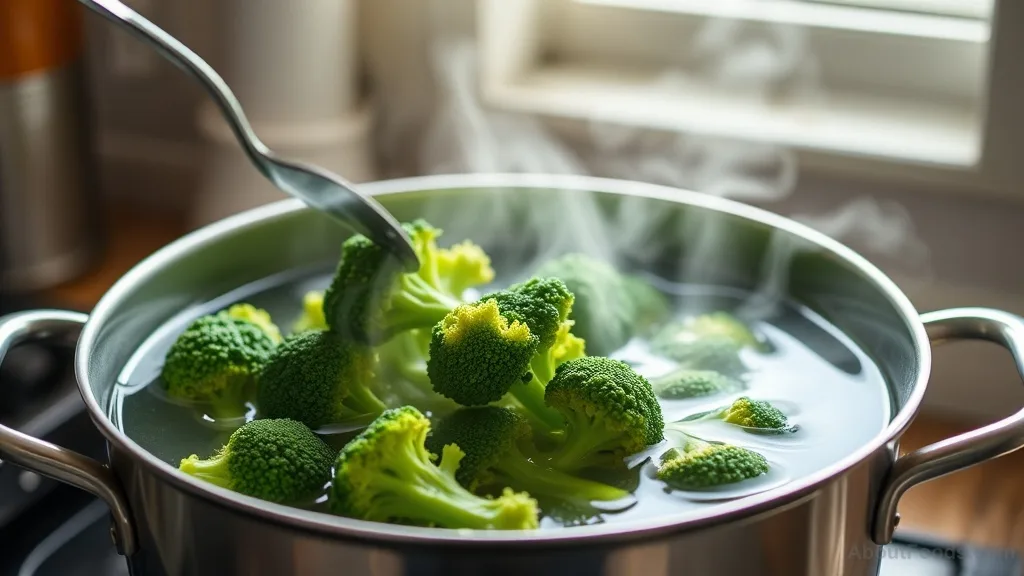
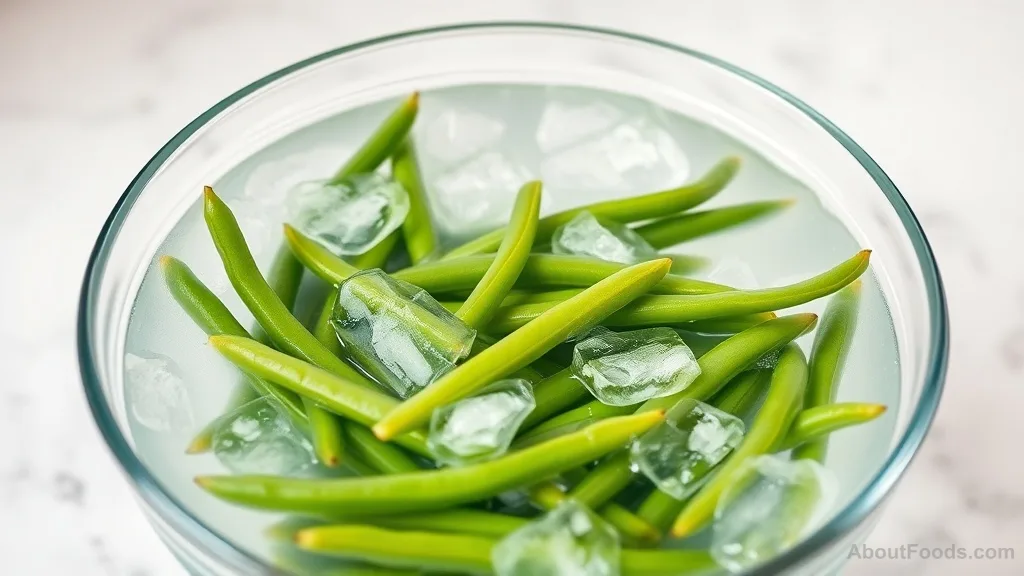
Blanching is a two-step process: a brief plunge into boiling water (usually 30 seconds to 3 minutes) followed by an immediate transfer to an ice bath to halt cooking. The goal is to partially cook the vegetable while preserving or enhancing its appearance and texture. But the color changes you see aren't magic — they're chemistry.
Vegetable colors come from natural pigments. Green comes from chlorophyll, orange and yellow from carotenoids, red and purple from anthocyanins, and white/cream from flavonoids. Each pigment responds differently to heat, acid, and alkaline conditions. Blanching primarily affects chlorophyll, the most finicky of the bunch.
The Chlorophyll Trap: Why Green Veggies Turn Olive
Chlorophyll is a pigment that looks vibrant green when fresh. But it's sensitive to heat and acid. When you heat a green vegetable, two things happen: First, the cell walls break down, releasing organic acids that were compartmentalized inside the cells. These acids create a more acidic environment, which causes the magnesium ion at the center of chlorophyll to be replaced by hydrogen. That substitution turns chlorophyll into pheophytin, a dull olive-green compound. The longer you cook or the more acidic the water, the more pheophytin forms.
Blanching works because it's short and intense. The brief heat inactivates enzymes (like chlorophyllase) that can also degrade color, but it's not long enough for excessive acid accumulation. The rapid cooling stops further conversion. So yes, blanching can help retain a brighter green — but only if you do it right. Overblanch (even by a minute) and the olive hue creeps in anyway.
Does Blanching ‘Lock’ Color Permanently?
Unfortunately, no. The term "lock" implies a permanent seal, but blanching only postpones color loss. Once the vegetable is cooled and stored, residual enzymes and ongoing acid reactions can still dull the color over time. Freezing after blanching helps slow these reactions, but eventually, even frozen vegetables will lose some vibrancy. Blanching gives you a head start, but it's not a color immortality potion.
The Role of Water Chemistry: Hard vs. Soft Water
Here's a detail many home cooks overlook: your tap water's mineral content can affect color. Hard water (high in calcium and magnesium) can actually help stabilize chlorophyll in some cases, but it can also cause a grayish scum on the surface. Soft water (low in minerals) tends to be slightly acidic, which speeds up pheophytin formation. If your blanched greens often look lackluster, try adding a pinch of baking soda to the water — it raises the pH and neutralizes acids, helping preserve greenness. However, too much baking soda can make vegetables mushy and create an off-flavor, so use sparingly (about 1/4 teaspoon per quart of water).
Beyond Green: How Blanching Affects Other Colors
So blanching isn't one-size-fits-all. Each color group responds differently, and what works for green may rob red or white of their luster.
How to Blanch for Maximum Color Retention
Follow these guidelines to get the best results every time:.
The Verdict: Fact or Fiction?
So, does blanching lock in color? Yes, partially — but the phrase is an oversimplification. Blanching can slow down the chemical reactions that cause color loss, especially for green vegetables, but it doesn't permanently fix the color. The outcome depends on time, temperature, water chemistry, and the type of pigment. Think of blanching as a helpful tool in your color-preservation toolkit, not a magic bullet.
Embrace the science behind the sizzle, and your vegetables will look — and taste — better for it. Happy cooking!
FAQ: Common Blanching Questions
Why did my green beans turn olive-green after blanching?
Most likely you blanched too long, or your water was too acidic. Try reducing the time or adding a pinch of baking soda to the water next time.
Can I skip the ice bath?
It's risky. Without rapid cooling, residual heat continues to cook the vegetable, which can dull the color and soften the texture. An ice bath is essential for the best results.
Does blanching work the same for frozen vegetables?
Commercial frozen vegetables are usually blanched before freezing. You don't need to blanch them again — just cook from frozen. Home blanching is best for fresh vegetables you plan to freeze yourself.
What if I don't have an ice bath?
You can run cold water over the vegetables in a colander, but it's less effective. Stirring in a bowl of cold water changed frequently can work, but an ice bath is far superior.
Rate this article
No ratings yet. Be the first to rate it.

Written by
Maya Green
Specialises in Vegan Plant Based Global cuisineMaya went vegan after watching a documentary in 2018 and hasn't shut up about cashew cream since. Her food is actually incredible.
Describe yourself in three words: Passionate, evangelical about plants, loving.