Myth Busting
Does a Floured Surface Actually Prevent Dough from Sticking?
Flouring your work surface is a classic technique, but does it really stop dough from sticking? We explore the science behind adhesion, the role of flour, and when it helps—or hurts.
Introduction: The Floury Shield
We've all done it: sprinkle a cloud of flour across the counter, plop down a sticky wad of dough, and start kneading. It's one of those baking instructions passed down like a sacred recipe. But does it actually work? And more importantly, should you always do it? As a proud Mexican baker, I say 'con respeto'—the answer is more mysterious than you think. Let's bust this myth with science.
Why Dough Sticks: The Science of Adhesion
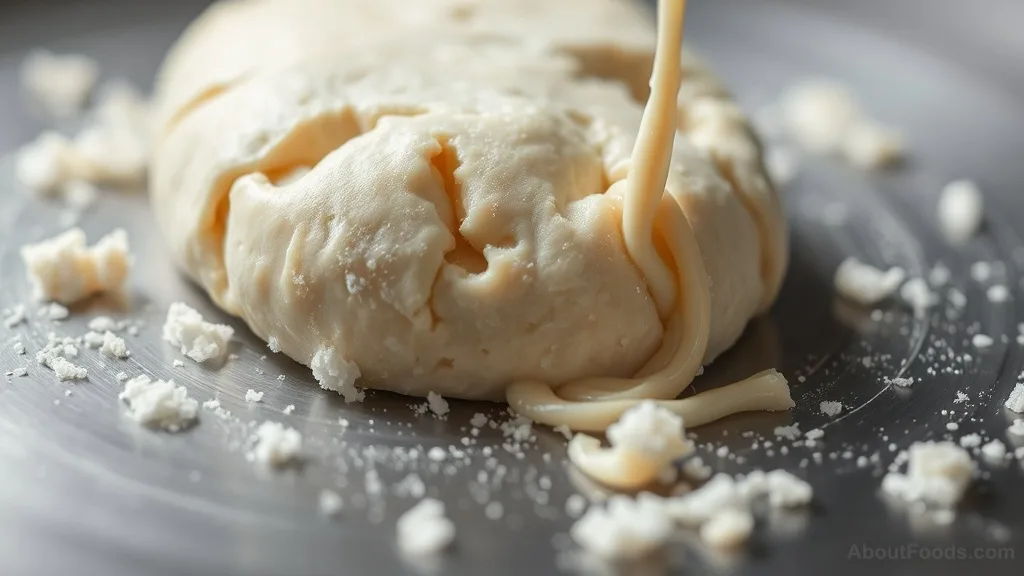
At the molecular level, sticking happens when water in the dough forms hydrogen bonds with the surface—counter, hands, rolling pin. Dough is a mix of flour (with proteins that form gluten) and water. Gluten networks trap water, but free water at the surface is the culprit. Cold, smooth, or porous surfaces each behave differently. A high-hydration dough (like ciabatta at 80% water) has more free water, making it stickier than a stiff bread dough.
Think of adhesion as the love affair between water molecules and a surface. If the surface is polar (like stainless steel, due to its oxide layer), water wants to hold on tight. If it's oily or waxy, water avoids it, like a bull avoiding a red flag. Now, where does flour fit into this tango?
Is Flouring the Counter Actually Working?
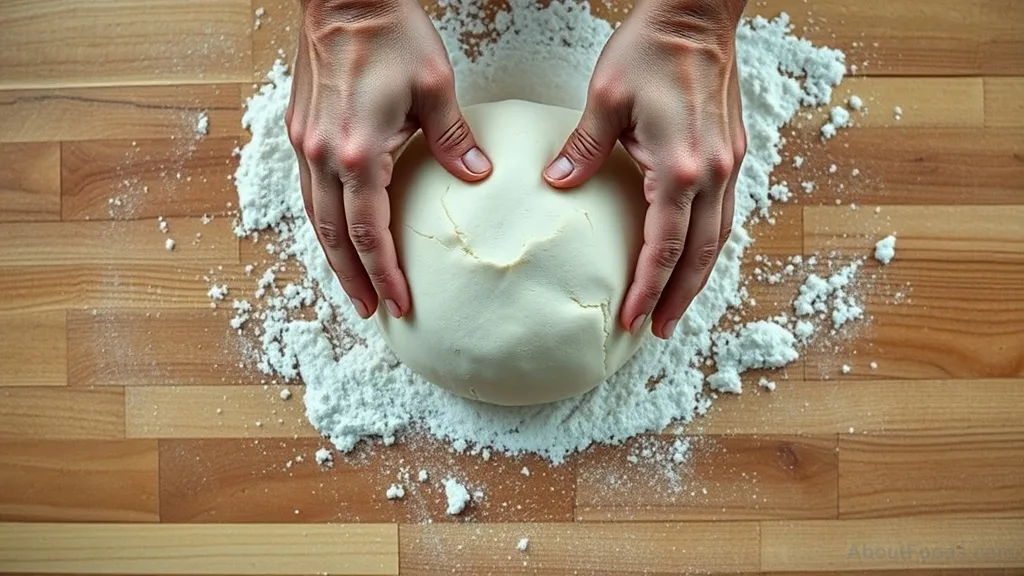
Here's the short answer: Yes, it works, but not how you think. Flour isn't a magical non-stick spray. Scientifically, the layer of flour acts as a barrier between the dough and the counter. The flour absorbs some surface moisture from the dough, forming a thin paste that lubricates the interface. That's why dough slides rather than snags.
However, if you use too little flour, the dough still makes contact with the counter, leading to sticking. Too much flour, and the dough gets stiff and dry, ruining the crumb. It's about balance, which we'll explore in practice.
The key insight: flour does not repel water—it absorbs it, temporarily creating a dry buffer zone. Once that buffer gets wet (e.g., after minutes of kneading), the dough's moisture seeps through and sticking resumes. That's why you often need to re-flour.
When Flour Doesn't Cut It: High Hydration Doughs
For wet doughs like sourdough or ciabatta (over 70% hydration), flour alone may fail. The dough has so much free water that flour gets incorporated immediately, and you end up with a sticky mess or a doughboard that looks like a snowy battlefield.
The Lesser-Known Trick: No Flour at All
Some professional bakers—especially in Italian and French traditions—deliberately use no flour on the bench. Instead, they shape dough on lightly oiled surfaces or use canvas (couche) dusted with rice flour or cornmeal. Rice flour is less water-absorbent than wheat, so it stays dry longer.
If you knead dough with a light touch and gentle folding (instead of aggressive pressing), the dough will release naturally from a clean stainless surface due to its own elasticity. Beginners, beware: this takes practice. But it teaches you how dough feels, pure and mysterious.
Practical Application: Choosing Your Method
For most home baking—pizza dough, classic bread, pasta—flour is your friend, but use it wisely. Sprinkle a thin layer (like powdered sugar on a churro), spread it with your hand, and adjust as you go. Here's a quick reference:.
FAQ: Common Questions About Flour and Dough Sticking
Conclusion: The Mystery Revealed
So, does a floured surface actually prevent dough from sticking? Sí, but like all good mysteries, the truth is layered. Flour creates a temporary, absorbent barrier that keeps water away from the counter. It works—until it doesn't, which is why smart bakers also rely on wet hands, oiled bowls, and bench scrapers. The next time you dust your bench, respect the science. And remember: baking is living, not just listed steps. Use what you've learned and adapt with pride. ¡Buen provecho!
Rate this article
No ratings yet. Be the first to rate it.

Written by
Diego Garcia
Specialises in Mexican cuisineDiego is a taquero who uses a secret salsa roja that involves dried chiles he grows himself. He is a local legend.
Describe yourself in three words: Mysterious, proud, spicy.