Myth Busting
Does Drinking Milk Actually Help With Spice Burn? A Capsaicin Case Study
We break down the science of capsaicin and why milk—specifically whole milk—works better than water to quell the fire. Plus, practical tips for the kitchen.
The Fiery Chemistry of Capsaicin
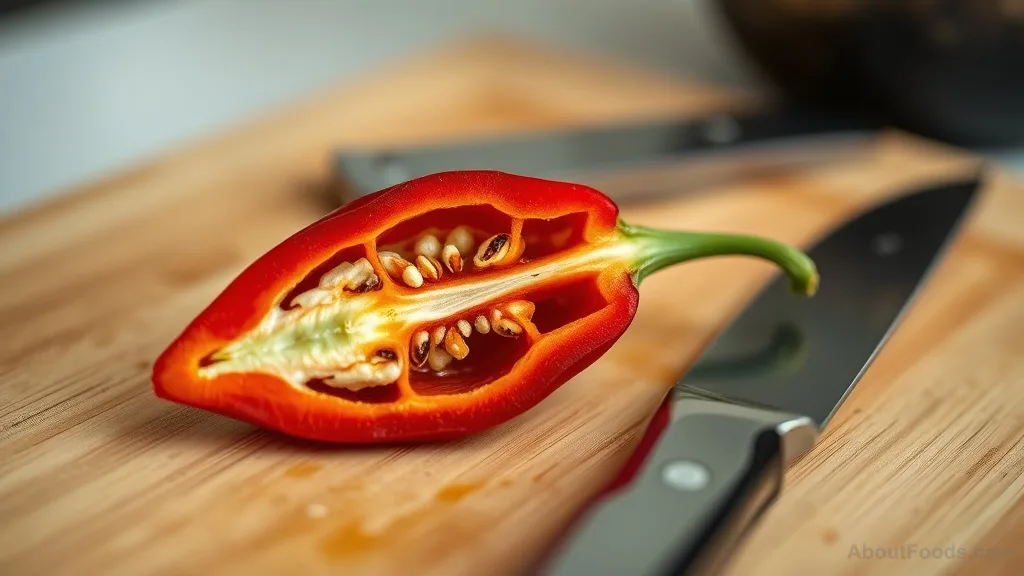
When you bite into a chili pepper, the burning sensation isn't heat—it's chemistry. Capsaicin, the molecule responsible for spiciness, binds to TRPV1 receptors in your mouth. These receptors normally detect physical heat above 107°F (42°C), so your brain interprets the presence of capsaicin as a burning sensation. But no tissue damage occurs; it's a chemical illusion.
Capsaicin is a hydrophobic (fat-loving) molecule. That means it doesn't dissolve well in water—it prefers oils and fats. This property is key to understanding why some drinks cool the burn better than others.
Why Water Doesn't Work
Reaching for a glass of water when your mouth is on fire is a natural instinct, but it's counterproductive. Because capsaicin is hydrophobic, water spreads it around your mouth, increasing contact with your taste buds and making the burn feel more intense. It's like trying to wash oil off a pan with water alone—it only creates a bigger mess.
Some people try beer or carbonated drinks, but those are mostly water too. The bubbles can even aggravate the pain by carrying capsaicin to new areas. Alcohol can help somewhat, as capsaicin is alcohol-soluble, but the concentration in beer is too low to make a difference.
Milk: The Casein Solution
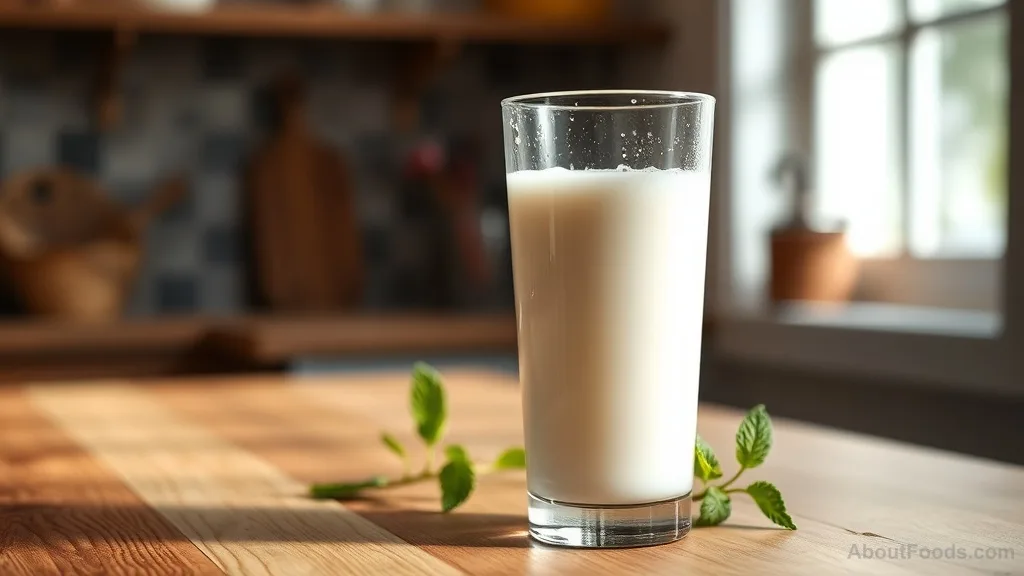
Milk works because it contains casein, a family of proteins with a special structure. Casein molecules have hydrophobic (water-repelling) pockets that attract capsaicin. When you drink milk, casein proteins surround the capsaicin molecules, pulling them away from your TRPV1 receptors and preventing them from binding. This effectively deactivates the burning sensation.
This is a physical, detergent-like action. The capsaicin is not destroyed; it's simply encapsulated and flushed away. Think of casein as microscopic sponges that mop up the capsaicin and carry it down your throat.
The fat content of milk also helps, but fat alone (like cream or oil) doesn't work as well as whole milk. Why? Because casein is more effective than fat at binding capsaicin. Studies have shown that skim milk, which has little fat but retains casein, still provides significant relief. Whole milk combines both fat and casein for maximum effect.
Not All Dairies Are Equal
Practical Kitchen Application
If you're cooking with chilis and worried about the heat, here are some grounded tips:.
- Keep a glass of whole milk handy when eating spicy dishes.
- For a quick remedy
- a spoonful of yogurt or a few gulps of milk can soothe the burn immediately.
- If you're making a spicy curry
- adding a splash of cream or yogurt can reduce perceived heat
- but don't overdo it—you might dilute the flavor too much.
- Avoid carbonated drinks or water
- they only make it worse.
A common mistake is to gulp down milk too fast. Let it sit in your mouth for a few seconds to allow the casein proteins time to bind capsaicin. Swish it around like mouthwash, then swallow. Repeat as needed.
FAQs
The Bottom Line
Milk isn't just a folk remedy—it's scientifically sound. The casein proteins in milk bind to capsaicin and physically remove it from your mouth's pain receptors. Water only spreads the fire, and alcohol is too weak to help. So next time you reach for a spicy dish, keep a glass of whole milk on standby. Your taste buds will thank you.
Rate this article
No ratings yet. Be the first to rate it.

Written by
Anders Lindberg
Specialises in Scandinavian cuisineAnders is a forager who puts lingonberries on everything, including pizza. His neighbors have filed a complaint.
Describe yourself in three words: Stoic, nature-obsessed, quietly intense.