Myth Busting
Does Resting Bread Before Slicing Actually Keep It From Getting Gummy?
Yes, resting bread after baking prevents a gummy crumb. We explain the science of starch retrogradation and moisture migration so you know exactly why waiting matters.
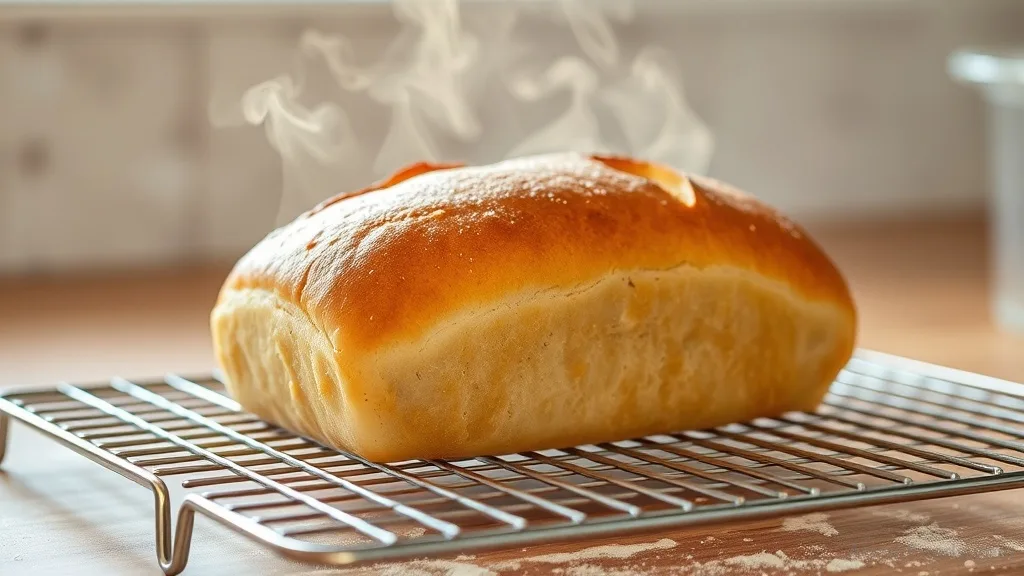
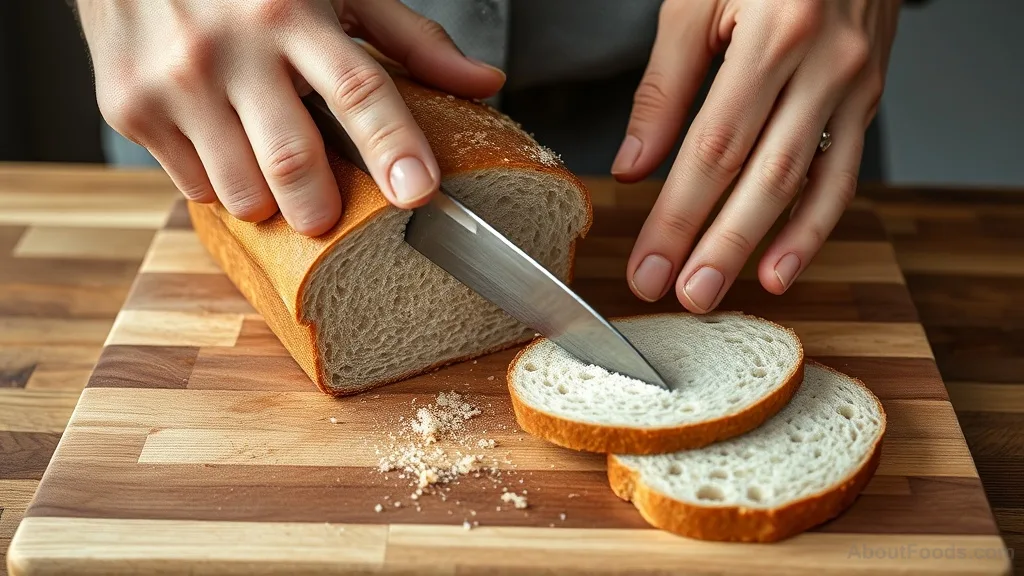
The short answer: absolutely yes
If you’ve ever sliced into a loaf of bread straight from the oven, you’ve likely been greeted by a gummy, tacky crumb that clumps together like wet dough. The common advice to let bread cool completely isn’t just about patience—it’s grounded in food science. Resting bread before slicing allows the internal structure to set, moisture to redistribute, and starches to crystallize. Without this step, even a perfectly baked loaf can taste underdone.
Where the myth begins
The idea that resting bread is optional—or that it’s only about preventing burns—is a common misconception. Many home bakers, especially those new to bread making, assume that if the crust looks golden and sounds hollow when tapped, the bread is ready to slice. They blame the recipe or oven when the inside turns out gummy. But the real culprit is often impatience. Bread continues to undergo physical and chemical changes even after it leaves the oven.
Science lesson: What happens inside bread as it cools
During baking, starch granules absorb water and swell, a process called gelatinization. When bread exits the oven, those granules are still swollen and soft. As the bread cools, starches begin to recrystallize—this is retrogradation. The recrystallized amylose and amylopectin form a firmer gel network that locks moisture into place rather than leaving it free to make the crumb soggy. Meanwhile, moisture trapped inside the loaf migrates toward the crust and evaporates. Slicing too early interrupts both processes, leaving excess water in the crumb.
The table shows that the first 30–60 minutes after baking are critical. Slicing within this window will tear the gelatinized starch granules and release excess moisture, leading to a gummy, sticky crumb.
What happens when you slice bread too soon
- The still-soft crumb compresses under the knife
- creating a dense
- gummy texture.
- Steam and moisture escape prematurely
- leaving the interior wet rather than tender.
- The bread may collapse or lose height because the structure hasn't fully set.
- You'll see gumminess and doughiness even if the bread was baked to the correct internal temperature.
Even if the bread sounds hollow when tapped, that test only indicates that the crust is dry and the internal temperature is high enough that steam has expanded the loaf. It does not indicate that the crumb has set. A cake tester inserted into the center may come out clean, but that tells you the crumb isn’t raw—not that it’s ready to slice.
Practical timing: How long should you really wait?
Most standard loaves (sandwich bread, artisan rounds, batards) need at least 1 to 2 hours of cooling time at room temperature. Larger, denser breads like whole-grain loaves or sourdough boules may need 3 to 4 hours. The goal is to let the core temperature drop to below 80°F (27°C). If you can still feel warmth when you hold the loaf, it needs more time. Use a wire rack to allow airflow underneath; never cool bread in the pan or on a solid surface, which traps moisture and encourages a gummy bottom crust.
Common mistakes that lead to gummy bread (and how to avoid them)
- Slicing too early: This is the most common cause. Wait at least 1 hour for standard loaves.
- Overhandling dough: Too much kneading or shaping can result in a dense crumb that traps moisture.
- Underbaking: Invest in an instant-read thermometer
- bread should reach 190–210°F (88–99°C) internally
- depending on type.
- Cooling on a solid surface: Always use a wire rack so steam doesn’t condense under the loaf.
- Cutting with a dull knife: A serrated blade with sharp teeth cuts cleanly
- a dull knife mashes the crumb.
If you’ve done everything correctly but the bread still ends up gummy, the culprit may be low oven temperature or too high hydration. Reducing water slightly or baking at a higher temperature can help. But for most home bakers, simply waiting is the cheapest and easiest fix.
Frequently asked questions about resting bread
Final takeaway
Resting bread before slicing is not a myth—it's a non-negotiable step grounded in starch retrogradation and moisture migration. Waiting 1 to 2 hours (or longer for dense loaves) yields a sliceable, tender crumb and a crisp crust. Your patience will be rewarded with bread that tastes as good as it looks. So next time you pull a loaf from the oven, resist the urge. Let it rest. Your taste buds will thank you.
Rate this article
No ratings yet. Be the first to rate it.

Written by
Linh Nguyen
Specialises in Vietnamese cuisineLinh makes pho that takes 12 hours. She says the secret is charring the ginger and onion until they weep.
Describe yourself in three words: Quiet, devoted, smells of star anise.