Myth Busting
Does Soaking Nuts ‘Activate’ Enzymes? A Food Scientist Fact-Checks the Trend
Many wellness sources claim that soaking nuts removes enzyme inhibitors and activates beneficial enzymes. We dive into the food science to separate myth from reality—and tell you what soaking actually does for texture, flavor, and digestibility.
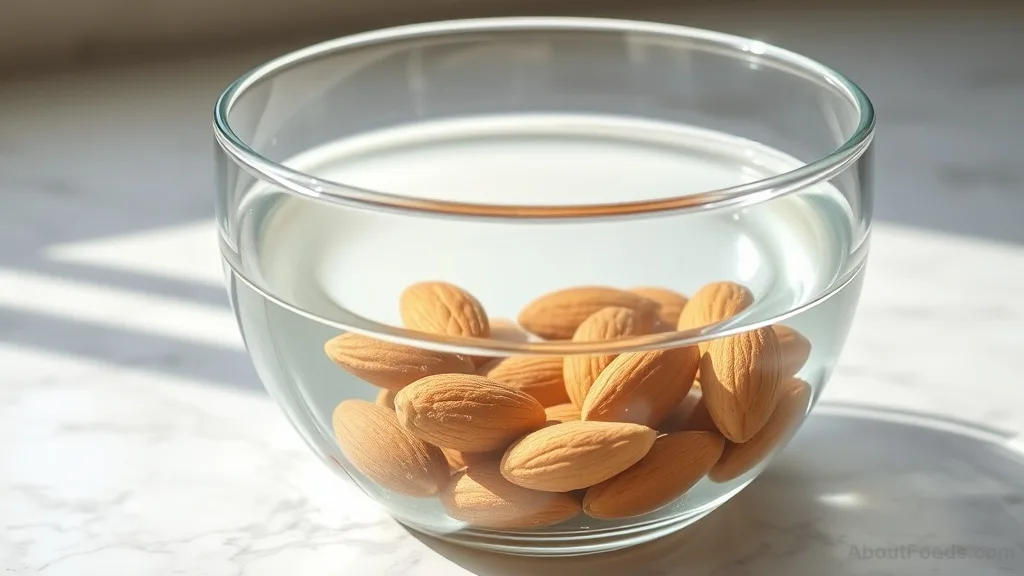
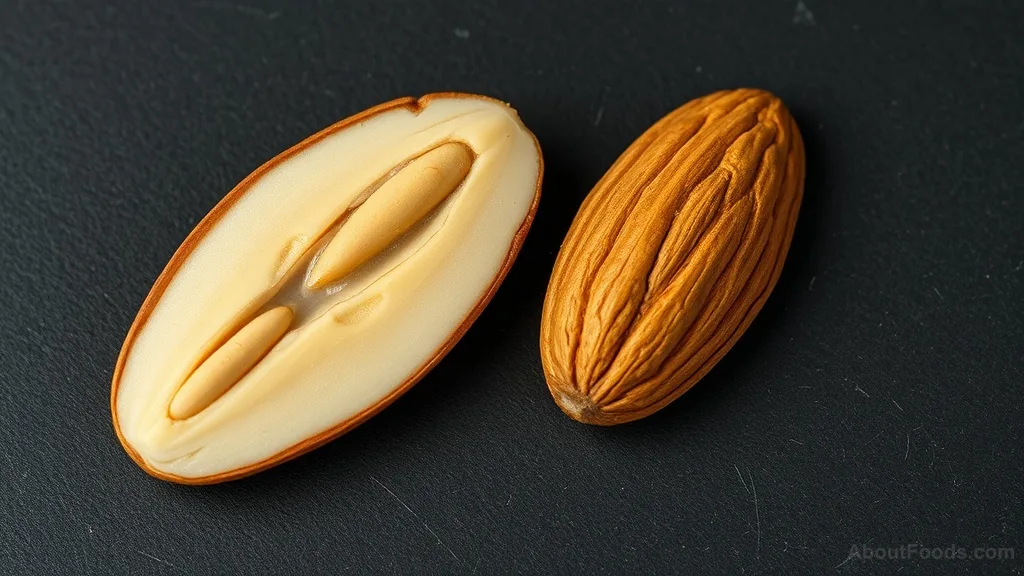
The Soaking Claim: Where Did It Start?
Walk into any health-food corner of the internet and you'll hear about 'activating' nuts by soaking them in salted water overnight. Proponents claim that this process neutralises enzyme inhibitors and awakens dormant enzymes, making the nuts easier to digest and unlocking hidden nutrients. But when you look at the food science behind this, the story becomes much more interesting—and less miraculous.
What Are Enzyme Inhibitors, Anyway?
Nuts naturally contain compounds called phytates (phytic acid) and enzyme inhibitors that help the seed survive until conditions are right for germination. Phytates can bind to minerals like iron, zinc, and calcium, reducing their absorption. Enzyme inhibitors can impair the activity of some digestive enzymes in vitro. In a survival context, these compounds protect the seed; in our kitchen, they're often framed as 'anti-nutrients.'.
But here's the reality check: Unless you subsist almost entirely on raw nuts and seeds, these 'anti-nutrients' are not a major health concern for most people. Our bodies deal with them just fine, and cooking or processing typically reduces their levels. Soaking does lower phytic acid content to a degree, but it's not a magic bullet that 'activates' enzymes in a way that dramatically changes the nutritional value.
The Science: Does Soaking Activate Enzymes?
Claims of enzyme activation imply that dormant enzymes in the dry nut become active when soaked. While it's true that seeds initiate metabolism when they absorb water, in the case of nuts the biochemistry is more complicated. Most nuts we eat—almonds, cashews, walnuts—are dormant but viable. When soaked, they do begin to respire and start some enzyme activity, but the process is far slower than with sprouting grains or legumes. More importantly, the human digestive system already has its own powerful enzymes (proteases, lipases, amylases) that break down food efficiently. Activating a nut's internal enzymes does not make a meaningful impact on digestibility for most people. In fact, far more important factors are the overall nut matrix and how the nut is prepared.
What Soaking Actually Does (And Why You Might Still Want to Do It)
Despite the lack of dramatic enzyme activation, there are real benefits to soaking nuts—they just have more to do with texture and flavour than some imagined health superpower.
Practical Takeaways: Should You Soak?
If you want softer nuts for blending into smoothies, sauces, or dairy-free milk, yes, soak them overnight. The texture truly improves, and the blends turn out creamier. If you're concerned about phytic acid and have a diet high in phytates, a soak might make your nuts slightly easier on digestion. But if you enjoy a handful of roasted almonds or crunchy cashews as a snack, you don't have to stress about soaking them for health. The 'activation' claim is mostly marketing.
Frequently Asked Questions
The Bottom Line
Soaking nuts is a simple kitchen prep that can improve texture and slightly lower phytic acid—both good reasons to do it. But call it 'activating enzymes'? That's a sprinkle of wellness myth, not food science. So go ahead and soak your nuts when you need them softer or creamier, but feel free to skip it other times. Your digestion won't suffer either way.
Rate this article
No ratings yet. Be the first to rate it.

Written by
Aisha Ismail
Specialises in Malaysian cuisineAisha is a nasi lemak specialist who renders her own coconut milk. She once cried when a reviewer asked for less sambal.
Describe yourself in three words: Sensitive, perfectionist, fiery sambal.