Browning Reactions
Does Toasting Rice Before Cooking Add Flavor or Just Burn It? The Science of Toasted Rice
Toasting rice before cooking does add nutty, toasty flavor—but only if you control the heat and timing. Overdo it, and you'll introduce bitter burnt notes. This article explains the science behind toasting, practical techniques for perfect results, and common mistakes to avoid.
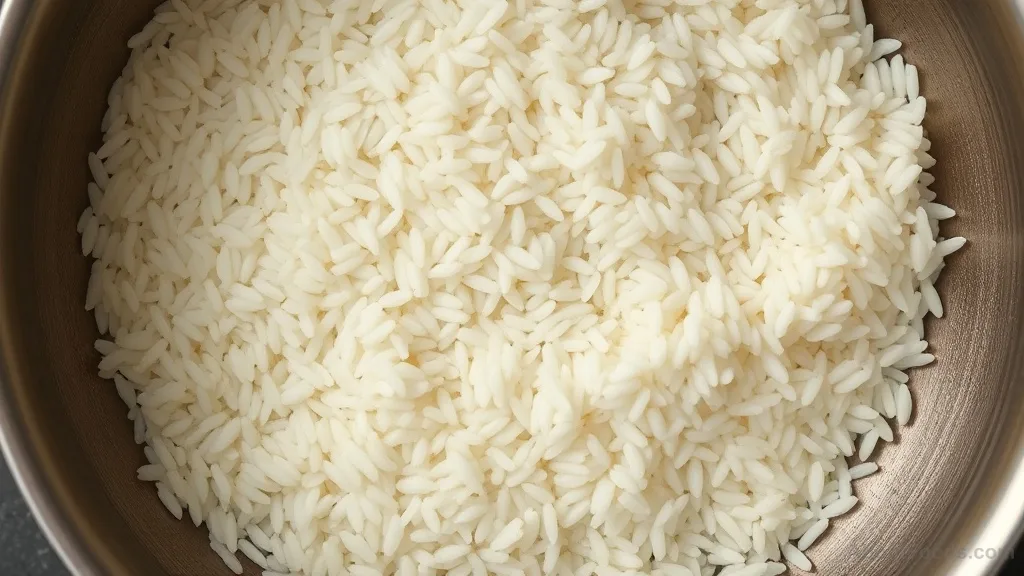
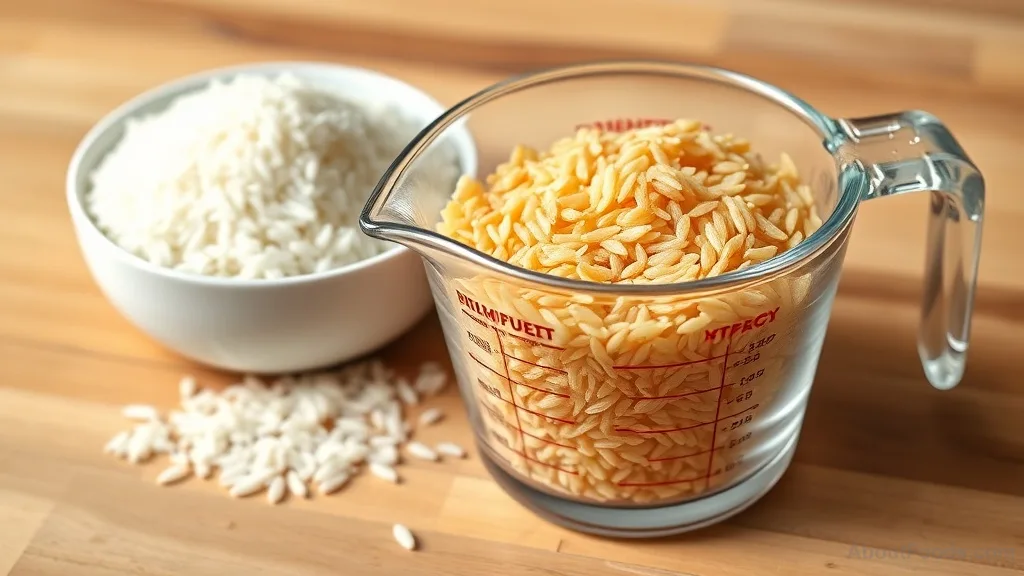
The Short Answer
Yes, toasting rice before cooking can add a warm, nutty, toasty flavor—but only if you do it right. Overheat it, and you'll cross from flavor into burnt bitterness. The secret lies in controlling the Maillard reaction, the same chemical process that browns bread and sears meat.
The Science: What Happens When You Toast Rice
Rice grains are mostly starch, with small amounts of protein and reducing sugars. When you heat dry rice in a pan (around 140°C to 165°C or 285°F to 330°F), a cascade of reactions begins.
- The Maillard reaction kicks off: amino acids from proteins react with reducing sugars
- producing hundreds of volatile compounds that smell nutty
- toasty
- and savory.
- Caramelization of sugars starts at higher temperatures (160°C+ / 320°F+)
- contributing sweet
- butterscotch-like notes.
- If the pan gets too hot (above 175°C / 350°F)
This means there's a narrow window where toasting enhances flavor. Too low and slow, and nothing happens. Too high, and you get burnt rice. In practice, the rice should turn a light golden color and smell pleasantly toasty.
How to Toast Rice Without Burning It
Follow these steps for reliable results every time:.
Common Mistakes and How to Avoid Them
Even experienced cooks can overdo the toasting. Here are the most common pitfalls:.
Does Toasting Change the Cooking Time or Liquid Ratio?
Toasting lightly dehydrates the outer layer of the grain, so the rice may require slightly more liquid (about 1 to 2 tablespoons extra per cup of rice) to rehydrate fully. The cooking time is essentially unchanged—still roughly 15–20 minutes for white rice, 30–40 for brown—but check a few minutes early, as toasted rice can sometimes cook faster.
One interesting effect: toasting firms up the outer starch layer, resulting in grains that stay more separate after cooking. This is desirable for pilafs and rice-based salads where you want distinct grains.
The Verdict: Myth or Masterpiece?
The idea that toasting rice adds only burned flavor is a myth—based on inexperience rather than science. When done correctly, toasting triggers the Maillard reaction, creating aromatic compounds that plain boiling cannot achieve. The result is a subtle but noticeable depth: a nutty, almost popcorn-like note that elevates simple rice into something more interesting.
Yes, overdo it and you'll ruin the batch. But with the right technique, toasting rice is a quick, controllable step that rewards you with better flavor. So go ahead, try it with your next pilaf or rice dish—just keep an eye (and nose) on the pan.
Frequently Asked Questions About Toasting Rice
Do I need to rinse rice before toasting?
If the rice is dusty or you want fluffier grains, rinse and drain thoroughly before toasting. Wet grains need more time to dry out in the pan, so pat them dry with a towel first to avoid steaming instead of toasting.
Can I toast rice in the oven?
Yes. Spread rice on a baking sheet and bake at 350°F (175°C) for about 10–15 minutes, stirring halfway. Oven toasting is more hands-off but harder to control for precision, so watch closely toward the end.
Does toasting work for all types of rice?
Yes, but different varieties toast at different rates. Fragrant rices like jasmine and basmati toast quickly and impart their own aroma. Brown rice has more fiber and is more forgiving. Sticky rice (glutinous) toasts well but can clump if not stirred.
How long does toasted rice stay fresh?
Toasted rice can be stored in an airtight container for up to a week, but it's best used immediately after toasting for maximum aroma. The toasting compounds can fade or turn stale over time.
Is toasting rice a good substitute for parboiling?
No, they achieve different results. Parboiling (boiling until partially cooked and then draining) is about texture and reducing cook time, while toasting is about flavor. They can be combined, but not substituted one for the other.
Rate this article
No ratings yet. Be the first to rate it.

Written by
Ayu Santoso
Specialises in Indonesian cuisineAyu makes rendang that takes 6 hours and is worth every minute. She hums while stirring.
Describe yourself in three words: Calm, humming, smells of coconut.