Myth Busting
Does Toasting Spices Before Grinding Actually Change Anything? A Science-Based Look
We put the common advice to toast spices before grinding to the test, examining the chemical changes, aroma impact, and practical outcomes. Spoiler: it does matter, but not always in the way you think.
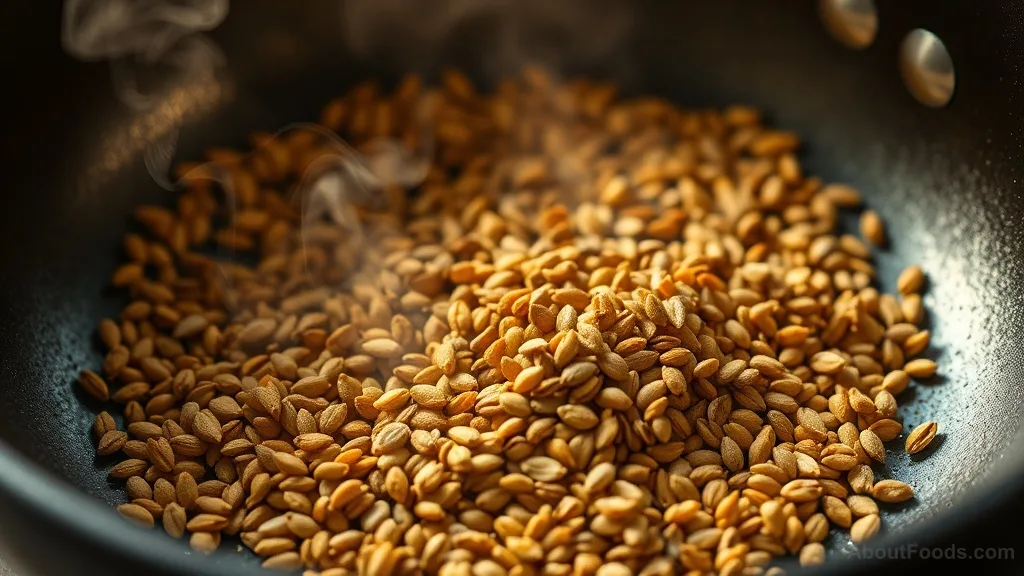
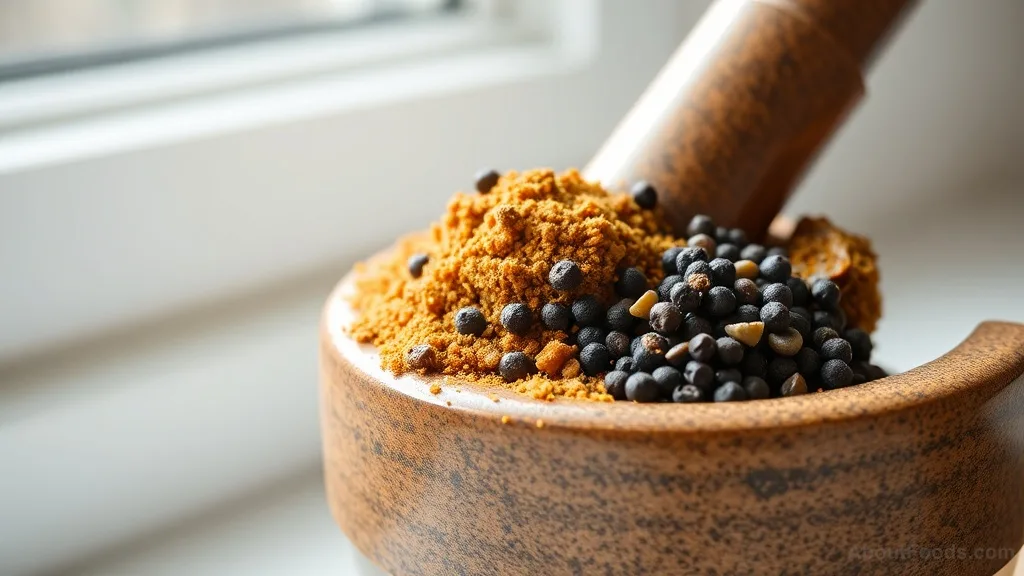
The Claim: Toast Before Grind
If you've spent any time reading curry recipes or following spice blending tutorials, you've heard the mantra: "Always toast your whole spices before grinding." The promise is that toasting unlocks deep flavor, eliminates rawness, and makes your spice blends taste more complex. But is this universally true, or is it one of those kitchen rules that sounds good but doesn't always hold up? Let's look at what actually happens on a chemical level when you heat a cumin seed.
What Heat Does to Spice Chemistry
Spices are essentially banks of volatile organic compounds (VOCs) — the molecules responsible for aroma and flavor. Many of these compounds, like cuminaldehyde in cumin or linalool in coriander, evaporate at relatively low temperatures (around 150-200°C). When you apply dry heat, several things happen:.
- Water loss: Whole spices contain some residual moisture. Heating drives off water
- which can make grinding easier and prevent clumping.
- Volatile release: Heat accelerates the evaporation of lighter aroma compounds. If you over-toast
- you literally boil away the most delicate notes
- leaving a flat
- burnt taste.
- Maillard reaction: Above about 140°C
- sugars and amino acids react to create new savory
The Table of Transformation
Not all spices respond to toasting the same way. Here's a quick reference for common spices:.
As you can see, the impact ranges from huge (cumin) to negligible (cloves). The key is knowing which spices benefit and for what application.
The Myth: Toasting Always Makes Spices Better
Here's the myth-busting part: toasting is not a universal improvement. In fact, for some dishes, you specifically want the raw, grassy top notes of untoasted spices. Think of a fresh herbaceous green curry paste where cumin is used raw — the brightness cuts through the coconut cream in a way a toasted cumin never could. Similarly, for a light pilaf where you want delicate floral notes, untoasted cardamom or coriander may be preferable.
The science backs this up: volatile compounds that define "freshness" are often the first to evaporate. If you toast, you trade those high notes for lower, roasted tones. That's a good trade in a hearty stew, but a bad one in a quick stir-fry or a raw seasoning.
Practical Takeaways for the Home Cook
- Toast for earthy warmth: cumin
- coriander
- fennel
- mustard seeds
- and fenugreek.
- Toast briefly for intensity: black pepper
- allspice
- and cloves (30 seconds max).
The Right Way to Toast Spices
If you decide to toast, here's the procedure that maximizes gain and minimizes loss:.
- Use a dry pan
- preferably cast iron
- over medium heat.
- Add whole spices in a single layer and shake frequently.
- Toast until they become fragrant and just start to darken. For cumin
- that's about 2-3 minutes
- for coriander
- 1-2 minutes.
The Verdict: Does Toasting Change Anything?
Yes, but only when done thoughtfully. Toasting changes the volatile and non-volatile profile of spices: it reduces fresh top notes, adds roasted and savory character via Maillard products, and makes grinding easier. But it's a tool, not a rule. For a robust curry, toasting is your friend. For a light, aromatic application, consider leaving the pan off. The best cooks know when to apply heat and when to let the raw spice speak for itself.
FAQ: Toasting Spices Before Grinding
Should I toast ground spices?
Generally, no. Ground spices have much more surface area and burn in seconds. If a recipe calls for "toasted cumin", it usually means toasting the seeds and then grinding.
Can I toast spices in the microwave?
It's possible but hard to control. The microwave heats unevenly, so you risk burning some seeds while others remain raw. Stick to the stovetop.
How long do toasted spices last?
Toasting depletes some volatiles and creates new ones, but overall the spice still degrades over time. Store in an airtight jar away from light and use within a few months. Grind only as needed.
What is the difference between toasting and roasting spices?
Toasting refers to a short, high-heat treatment in a dry pan until fragrant. Roasting is typically done in the oven at lower heat for longer, often with oil, and can be used for larger batches or spice mixes. The chemical effects are similar but timing differs.
Rate this article
No ratings yet. Be the first to rate it.

Written by
Pim Saelim
Specialises in Thai cuisineThis Pim is a food scientist who weighs her fish sauce.
Describe yourself in three words: Methodical, geeky, lives for umami metrics.