Myth Busting
The Great Egg Float Test: Does It Actually Tell You Freshness?
We dive into the science behind the classic egg float test to see if it's a reliable indicator of freshness, and offer better methods for home cooks.
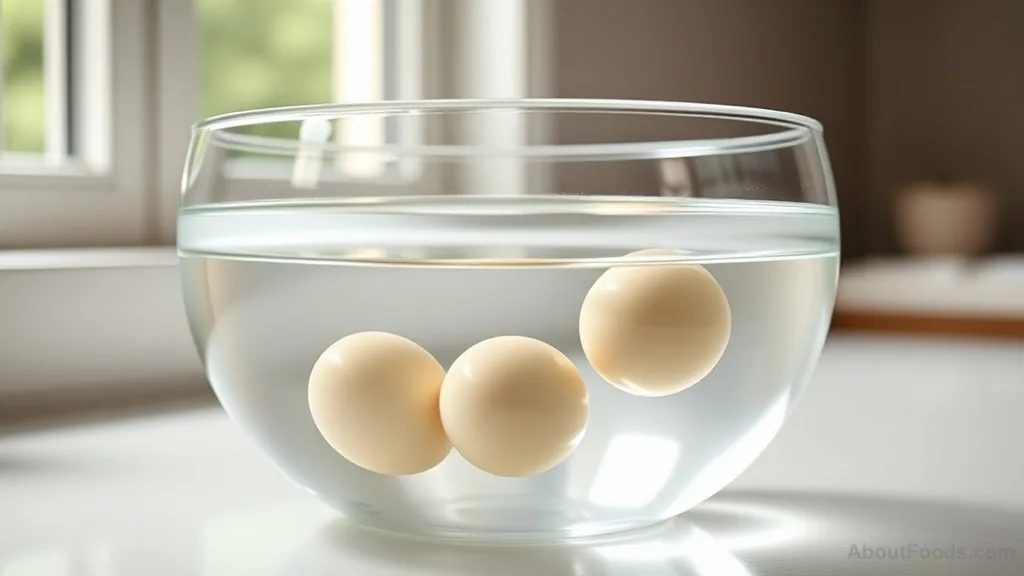
The Tale of the Floating Egg
You’ve probably seen it in a thousand cooking videos or heard it from your grandmother: drop an egg in a glass of water, and if it floats, it’s bad. If it sinks, it’s fresh. It’s one of those kitchen hacks that feels too simple to be wrong – but is it actually telling us the whole truth? I’m going to crack open the science behind this test, and the answer may surprise you.
Spoiler: the float test can hint at age, but it’s not a reliable test for freshness or safety. Let me explain why, and then I’ll share what actually works.
Why an Egg Floats: The Air Cell
Every egg has an air cell at its blunt end, formed between the two shell membranes as the egg cools after being laid. Over time, the egg loses moisture and carbon dioxide through its porous shell, and the air cell gets larger. As the air cell expands, the egg becomes more buoyant. So, a very old egg will have a large enough air cell to float.
That part is correct. But here’s the catch: the float test only tells you the egg’s buoyancy, not whether it’s spoiled or safe to eat. An egg can be perfectly edible yet float because of a large air cell, especially if it was stored in a dry environment. Conversely, a fresh egg that sank could still be contaminated with Salmonella, though that’s rare.
The Science of Buoyancy vs. Spoilage
Buoyancy depends on density. An egg’s density decreases as the air cell grows. But spoilage is caused by bacteria or mold growing inside, which can produce gases (like hydrogen sulfide) that increase buoyancy even more. However, a floating egg is not necessarily spoiled – it could just be old. The float test is more of an age test than a safety test.
For example, an egg stored at stable cool temperatures may be several weeks old, develop a large air cell, and float – yet still be safe to eat if cooked thoroughly. On the other hand, an egg that sinks could still be bad if it was contaminated early on.
The Myth-Busting: What the Float Test Really Tells You
Let’s bust the myth: the float test is not a definitive indicator of freshness or spoilage. It indicates approximate age based on air cell size. But an egg that floats might still be fine to eat, especially if you’re cooking it to well-done. The USDA and food safety experts recommend relying on other methods, which we’ll cover below.
- Float test = age indicator
- not spoilage detector.
- A sinking egg can still be spoiled if cracked or contaminated.
- A floating egg can be safe if it smells fine and is fully cooked.
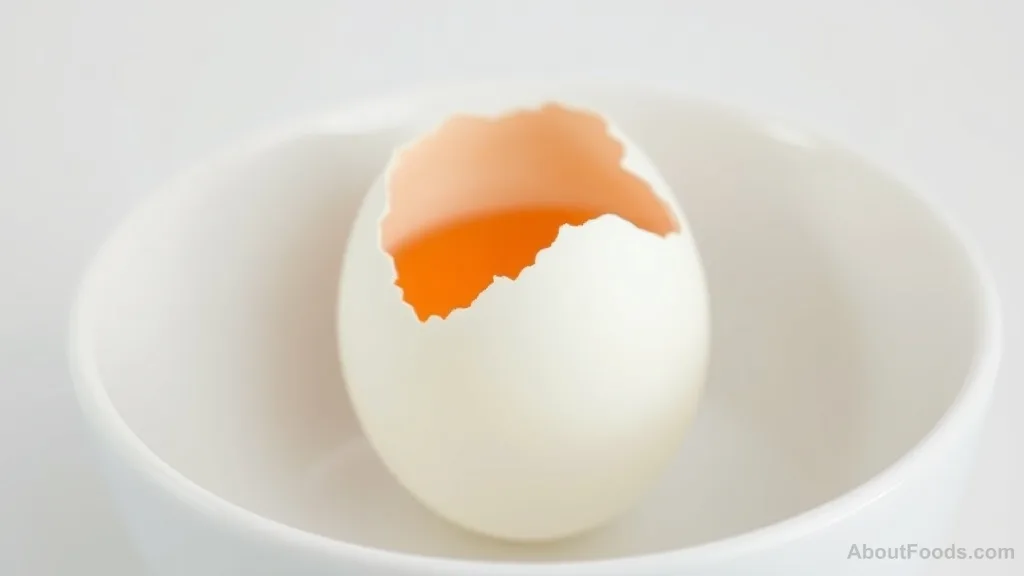
- Always crack eggs into a separate bowl to check for off-odors or appearance.
Better Ways to Test Freshness at Home
If the float test isn’t reliable, what should you do? Here are practical, science-backed methods to check egg freshness:.
Remember: when in doubt, trust your nose and eyes. The float test might be a fun party trick, but it’s not the final word.
Common Mistakes People Make with the Float Test
- Mistaking a staleness for spoilage: eggs can be old but still safe to eat.
- Assuming any egg that sinks is perfect: sinkers can have defects like cracks or bacteria.
- Using warm water: warmer water is less dense
- which could cause even a fresh egg to float differently. Always use cold water.
- Forgetting to check for cracks: a cracked egg can float due to air leakage regardless of freshness.
If you’re determined to use the float test, at least use it as a rough guide only. A sinker is likely less than a week old; a floater is probably older than 3–4 weeks. But for safety, always crack and check.
The Bottom Line: Should You Use the Float Test?
I’ll be honest: as a food scientist, I don’t use the float test. It’s too ambiguous. Instead, I rely on the sniff test and visual inspection. The float test can be a educational tool to demonstrate air cell growth, but for real decision-making in the kitchen, it falls short.
If an egg passes the sniff test and looks okay, it’s fine to use – even if it floats. Remember that eggs are typically safe to eat for weeks past their pack date if refrigerated. The key is proper storage: keep them in the fridge, not in the door, and use them within three to five weeks of purchase. Now go forth and cook with confidence – no water glass required.
FAQ: Egg Float Test & Freshness
Does a floating egg mean it's bad?
Not necessarily. A floating egg may just be old but still safe to eat if it has no off-odor and is cooked thoroughly. Float indicates a large air cell, not spoilage.
Can a sinking egg be bad?
Yes, though rarely. If the egg was contaminated with bacteria early on, it could spoil before the air cell grows. Always use the sniff test.
How can I tell if an egg is fresh without breaking it?
The float test gives a rough estimate of age, but candle inspection (looking at air cell size) is more accurate. The best test is cracking and smelling.
How long do eggs last in the fridge?
Eggs can last 3–5 weeks from the pack date if refrigerated consistently. Always check for odors before using.
Rate this article
No ratings yet. Be the first to rate it.

Written by
Anaya Iyer
Specialises in Indian cuisineAnaya Iyer (not Patel or Sharma) makes dosas so crisp they shatter like glass. She is a fermentation nerd.
Describe yourself in three words: Crispy, nerdy, sourdoh.