Baking And Dough
Everything Worth Understanding About Baking and Dough
From gluten development to leavening agents, this guide unpacks the science behind baking and dough so you can bake with confidence and better results every time.
What Is Dough Really Made Of?
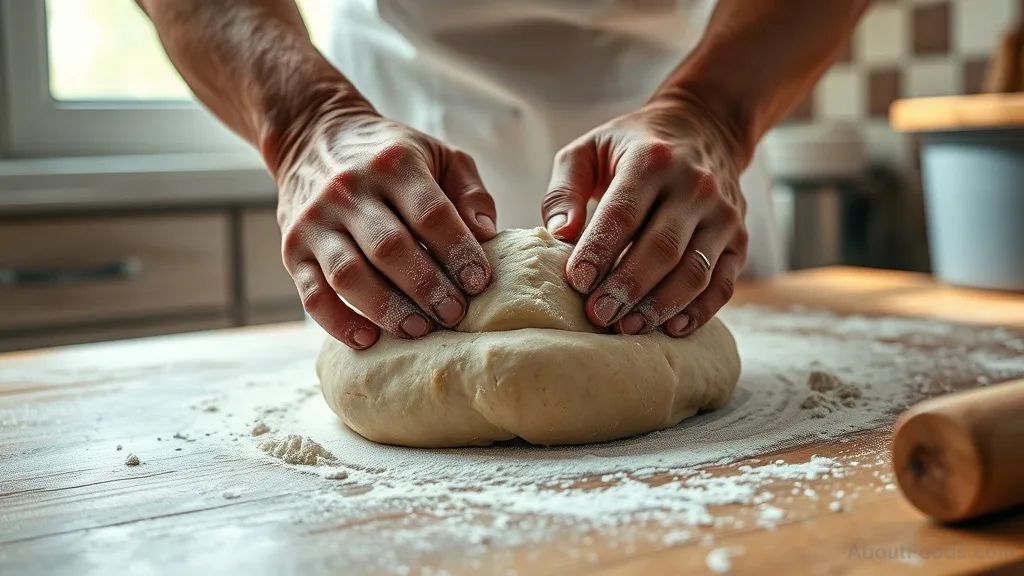
Dough is more than just a mixture of flour and water. At its core, dough is a dynamic network of proteins, starch, and water that transforms under heat. The two main proteins in wheat flour—glutenin and gliadin—bind with water and, when worked, form gluten. This gluten network gives dough its elasticity and strength, trapping gases from leavening agents to make bread rise. Understanding this basic structure helps you see why ingredient ratios and handling matter so much.
Gluten: The Backbone of Baked Goods
Gluten is the protein matrix that gives dough its chew and structure. When flour meets water and is mixed or kneaded, glutenin and gliadin link up to form long, elastic strands. The more you work the dough, the stronger the gluten network becomes—great for a crusty loaf, but not so much for a tender cake. Overworking cake batter can make it tough, while under-kneading bread dough yields a dense crumb. Temperature also matters: warm water speeds gluten formation, while cold water slows it down. For flaky pastries, we actually want to limit gluten development by keeping the dough cold and handling it minimally.
Leavening Agents: The Rise of It All
Leavening is what makes your baked goods light and airy. There are three main types: biological (yeast), chemical (baking soda and baking powder), and mechanical (steam and air). Yeast ferments sugars, producing carbon dioxide gas that inflates the gluten network. Baking soda is a base that needs an acid (like buttermilk or vinegar) to react and produce gas. Baking powder contains both an acid and a base and often works in two stages—once when wet and again when heated. Steam forms during baking as water turns to vapor, expanding air pockets. Using the right leavener for your recipe is key: too much can cause collapse, too little and you get a brick.
Hydration and Dough Behavior
The amount of water relative to flour—called hydration—determines dough consistency. High-hydration doughs (75-80% water) are wet, sticky, and produce an open, airy crumb with large holes, like ciabatta or focaccia. Low-hydration doughs (50-60%) are stiff and easy to handle, yielding denser breads like bagels or pretzels. Hydration also affects how quickly the dough ferments and how it browns in the oven. A wetter dough browns faster because more steam conducts heat. Bakers can adjust water to control texture: more water for a chewy, open crumb; less for a tighter, softer crumb.
Oven Spring: The Final Push
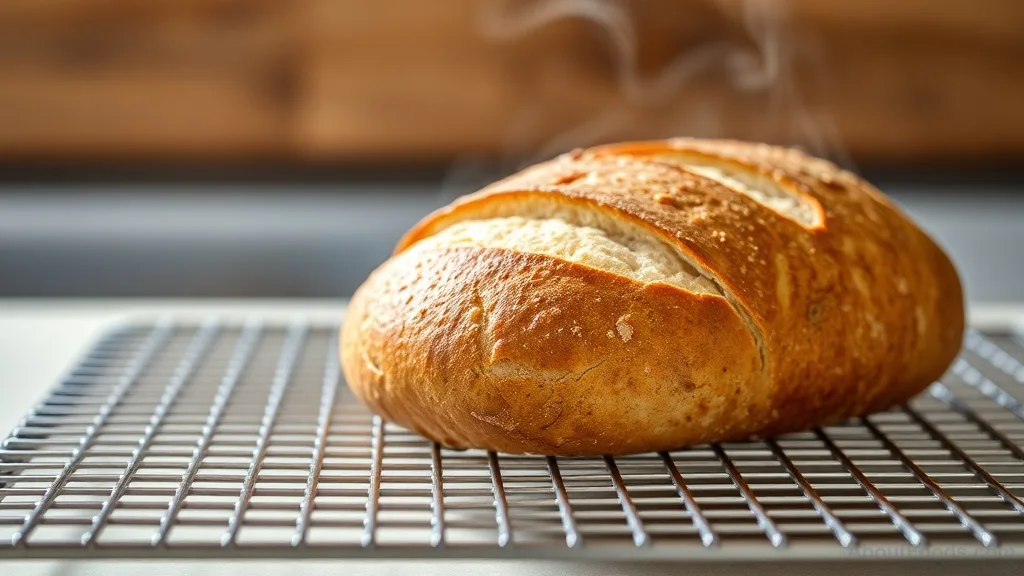
Oven spring is the rapid rise that happens in the first few minutes of baking. The heat causes gas bubbles to expand, yeast activity to spike before it dies, and water to turn to steam, all inflating the dough. To maximize oven spring, you need a hot oven and enough steam during the initial bake. Steam keeps the crust soft and elastic, allowing the dough to expand fully before the crust sets. Without steam, the crust hardens early, limiting rise. That's why professional bakers inject steam into their ovens—or home bakers use a pan of hot water on the bottom rack. A well-executed oven spring is the difference between a hearty loaf and a flat one.
Fat, Sugar, and Their Effects on Dough
Fat and sugar are tenderizers. Fat (butter, oil, shortening) coats flour particles, inhibiting gluten formation and making baked goods softer. That's why shortbread and pie crusts are tender and flaky. Sugar also tenderizes by absorbing water and interfering with gluten development. But sugar is hygroscopic—it attracts moisture, which can keep cakes soft longer but also delay browning if there's too much. Salt, on the other hand, strengthens gluten structure and enhances flavor. Eggs add moisture and contribute to structure because their proteins coagulate during baking. Balancing these ingredients is the art of baking.
Common Baking Mistakes and How to Fix Them
Frequently Asked Questions
Rate this article
No ratings yet. Be the first to rate it.

Written by
Carter Cooper
Specialises in American cuisineCarter Walker makes cornbread with honey butter and jalapeños. He is a sweet-spicy angel.
Describe yourself in three words: Sweet, spicy, cornbread crumbly.