Heat And Temperature
Everything Worth Understanding About Heat and Temperature
Heat and temperature are often confused, yet they govern every transformation in your kitchen. This article demystifies the science behind how energy flows and why it matters for cooking.
The Ancient Misunderstanding
In my grandmother's kitchen in Yangon, she would press her palm over a clay pot to 'feel the heat.' She never had a thermometer, yet her curries emerged perfect every time. How did she know? She understood something subtle: she wasn't feeling temperature; she was feeling a rate of energy exchange. For centuries, cooks have confused heat — the energy itself — with temperature, which is merely a measure of how much that energy excites molecules. Let me pull back the curtain on this essential difference and show you how knowing the science transforms your cooking from a series of random results into a purposeful art.
Heat vs. Temperature: Not the Same Thing
Temperature tells you the average kinetic energy of the molecules in a substance — essentially, how fast they're vibrating. But heat (transfer) is the flow of that energy from a hotter object to a cooler one. Here's the key: temperature is intensive — it doesn't depend on how much stuff you have — while heat or thermal energy is extensive.
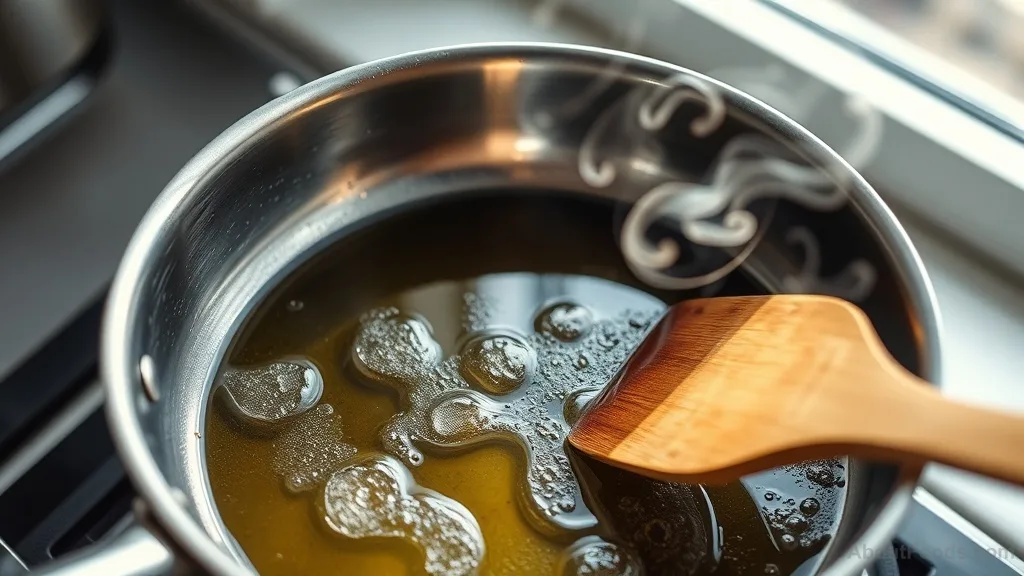
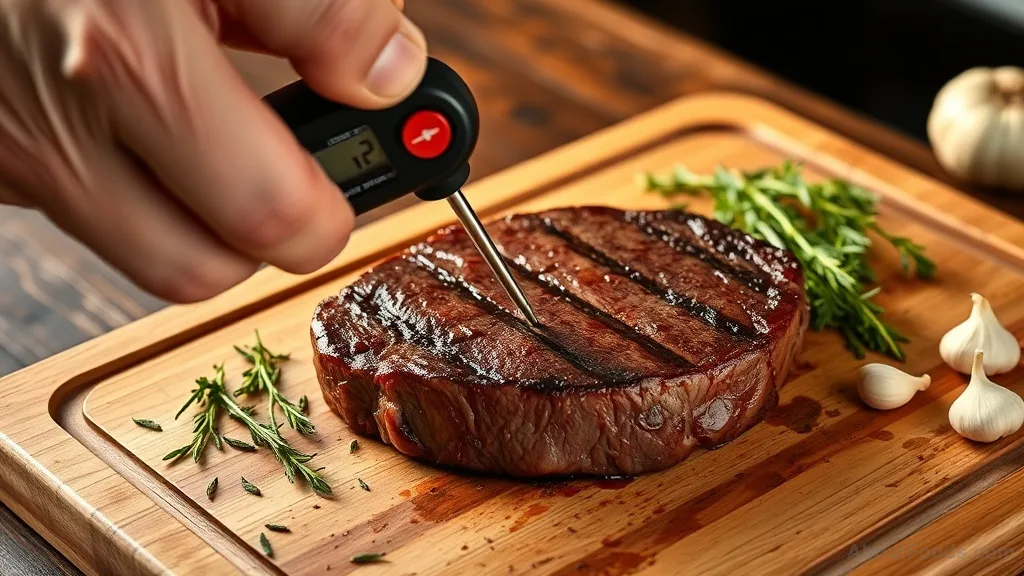
This distinction is why a hot, dry oven feels much less punishing than boiling water at the same temperature (when you accidentally touch an oven rack vs. dip a finger in 350°F oil?), and why carryover cooking continues to raise internal temperature even after you take a roast off the fire. The heat content and the rate at which energy transfers matter significantly more in the kitchen than temperature alone.
Modes of Heat Transfer: The Three Ways Heat Marches
Heat moves through three distinct doors: conduction, convection, and radiation. Understanding which door is predominant in your cooking scenario lets you predict how evenly and quickly your food will cook.
Home cooks master the interplay daily: A carbon steel pan (conduction winner) gets screaming hot, then meat goes on. That heat transfers into the meat interior mainly by conduction through its water content. Meanwhile, your oven surround-steams with convection, while the broiler channels raw radiation. To dial in consistent results, you need to identify which choregraphy is at work.
Heat Capacity: Why Some Pans Heat Faster Than Others
Ever notice your mother's aluminum pot comes to a boil mere seconds before your inexpensive, flimsy nonstick one? The secret is not just thermal conductivity but heat capacity. Heat capacity defines how much energy is required to raise a unit mass by one degree. Water has a massive heat capacity — 4.18 J/g°C — meaning it resists temperature change; oil on the other hand (approx. 2.5 J/g°C) can climb temperature climb in the same energy interval.
Knowing this, you can select your tools preemptively. Heavy enameled stewpot? Phenomenal thermal mass means fewer spikes. Thin steel pan on induction? Extremely sensitive—never crank to max empty else as close risk of warp catastrophe.
Temperature Curves and Carryover Cooking
This is where theory really becomes remarkable transformation. The interior of a roast does not stop cooking the second you extract it. Residual energy continues flowing from the hot surface to the cooler center — sometimes many degrees more than what you measured at pull.
Heat Buffering: How Ingredients Behave
All ingredients are thermal buffers to some degree. Water, fats (oil/dairy/butter) and proteins cells react their independent way. Dense, moist root vegetable helps conduct toward center; an airy cream reduces energy drive accordingly. Cast iron pan remains high across surface despite cool French eggplant exposed; Copper works conversely better then because potential homogeneity demands sharp exact interval.
Basting and repeated flipping both enhance conduction controlled offset to surface causing thinner boundaries by accelerating heat transfer into core while guard from single burning. This informs applications sous vide, reverse searing letting steady to the bullseye equilibrium.
Where Most Home Cooks Go Wrong
Frequently Asked Questions
Remember: Direction Matters More Than Degrees
No stove manual decoded earlier told you how its energy flows. Over the Myanmar hot-rainy days I reflect: Grandma simply connected—near secret combustion. Temperature easier numbers pin. Heat connection, where the secret makes sense behind executed dish—if it's graced properly. Adopting you measure less on clock; use temperature sense with that warm knowing sixth awareness.
This inner language might approximate instinct. At base you are exchanging with changing phase ambient cookware bowl coating forces. Stop fixating numerical degrees. Instinct stays toward using heat itself giving you the perfect craft. What else reliable?
Rate this article
No ratings yet. Be the first to rate it.

Written by
Thiri Tun
Specialises in Burmese cuisineThiri is a tea leaf salad master who ferments her own tea leaves in a clay pot. She will not tell you the recipe.
Describe yourself in three words: Mysterious, secretive, delicious.