Texture And Mouthfeel
Everything Worth Understanding About Texture and Mouthfeel
From crisp to creamy, texture and mouthfeel define our eating experience. Learn the science behind how we perceive texture, how food structure creates sensations like crunch and silkiness, and how to control these qualities in your kitchen.
The Anatomy of Texture
At its simplest, texture is the way we perceive the physical structure of a food when we touch it, chew it, and swallow it. From a crispy potato chip to a silky panna cotta, texture includes everything from brittleness to viscosity, and it can make or break a dish. In food science, texture is part of the broader category of 'rheology' — the study of how materials deform and flow. But for a home cook, understanding a few key principles can help you achieve the mouthfeel you're aiming for.
Crisp, Crunch, and Crackle — The Physics of Brittle Foods
Crispiness and crunchiness are among the most sought-after textures. They occur when a food has a rigid, brittle structure that fractures rapidly under force. Think of a fried chicken skin or a fresh apple: as you bite, you apply force until the structure breaks, releasing a burst of acoustic energy — that satisfying sound. A key factor is moisture content. Crisp foods are often dry, because water plasticizes starches and proteins, making them pliable instead of brittle. That's why a stale chip is chewy, not crisp: it has absorbed humidity from the air. To maintain crispness, store such foods in airtight containers or use desiccants when possible.
Creaminess and Mouthfeel — The Role of Fats and Emulsions
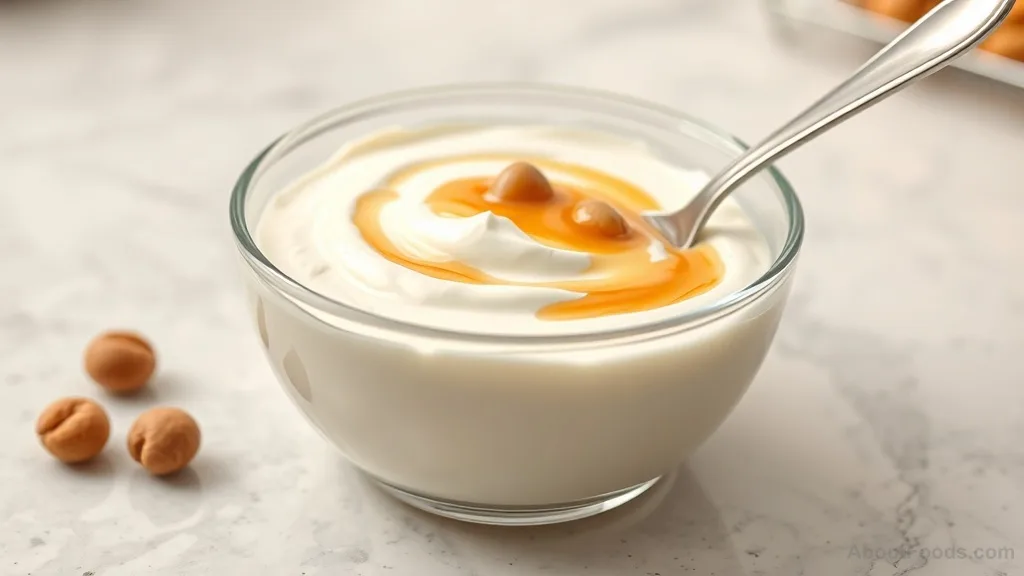
On the opposite end of the spectrum, creaminess is a complex sensation involving smoothness, thickness, and a rich feeling on the tongue. It's largely driven by fat, but not just any fat — it's about how the fat is structured. In ice cream, creaminess comes from tiny ice crystals (less than 15 micrometers) and a continuous matrix of fat globules and air cells. In sauces, a stable emulsion like a hollandaise or mayonnaise creates a smooth, unctuous texture. A broken emulsion, on the other hand, yields a greasy, gritty mouthfeel. The secret to creaminess is controlling particle size: smaller equals smoother. Emulsifiers like lecithin (from egg yolks) help keep fat droplets tiny and dispersed. To enhance creaminess without adding fat, you can use thickeners like starches or gums to increase viscosity, but the mouthfeel won't be quite the same as fat.
Tenderness and Chew: Proteins in the Spotlight
Meat texture is primarily about muscle fibers and the collagen in connective tissue. Toughness in meat comes from long, dense fibers and cross-linked collagen that resists chewing. To break that down, you need time, moisture, and heat — a low-and-slow braise transforms collagen into silky gelatin, making the meat fall apart. Alternatively, you can physically break fibers: scoring, pounding, or grinding meat disrupts the structure, yielding a more tender patty. Chewiness, the pleasant resistance you want in things like steak or dense bread, comes from a protein network (gluten in dough, myofibrillar proteins in meat). Controlling this network is central to baking and butchery.
Viscosity and Thickness: Liquids and Semi-Solids
Mouthfeel for liquids, known as viscosity, matters as much as solid texture. A thin broth versus a rich cream soup — the perceived thickness changes the satisfaction of a dish. Viscosity is affected by the inclusion of thickening agents (starch, gelatin, pectin) and by the particle size in suspension. For a perfect soup, you can rely on starch from potatoes or rice, which gelatinizes when heated and swells, crowding the liquid. For custards and puddings, egg proteins set into a gel network. Overcooking can break that network (curdling) because proteins over-coagulate and squeeze out liquid. Temperature also matters; warm liquids feel thinner because heat increases molecular motion, reducing resistance to flow.
Astringency and Other Mouthfeel Sensations
Sometimes texture goes beyond touch and enters into chemical interaction. Astringency — that dry, puckering feeling from red wine or unripe fruit — is not a taste but a mouthfeel. It happens when tannins bind to proteins in saliva, causing them to precipitate and shrinking the lubricating film on your tongue. Similarly, 'chalkiness' in certain beans or 'sliminess' in okra come from specific compounds interacting with moisture and proteins. Recognizing these sensations helps you balance dishes: pairing a fatty steak with an astringent red wine works because fat coats the mouth, mitigating the dryness.
The Interplay Between Texture and Flavor Perception
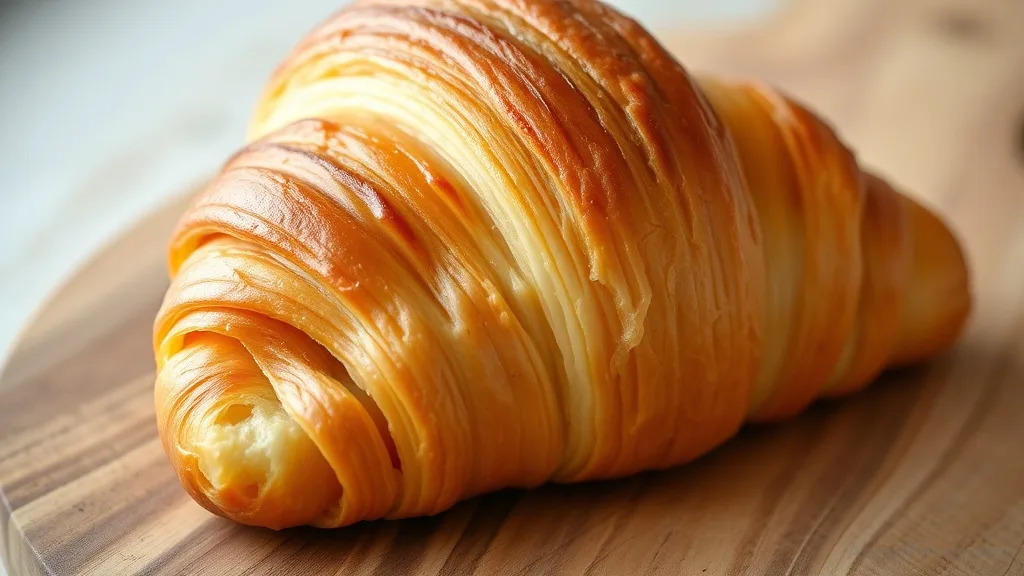
Texture doesn't just exist on its own; it modulates how we perceive flavor. Studies have shown that increasing viscosity decreases perceived sweetness and saltiness, likely because tastants take longer to reach the taste buds. Thick sauces, therefore, need more seasoning than thin broths. Similarly, the carbonation in a fizzy drink amplifies sourness and irritation; a smooth drink is perceived as sweeter. Croissant flakiness allows butter to coat the tongue in bursts, delivering flavor in waves. When developing a recipe, think about the texture as a delivery system for taste.
Frequently Asked Questions
Rate this article
No ratings yet. Be the first to rate it.

Written by
Anya Ivanov
Specialises in Russian cuisineAnya makes pelmeni in batches of 500. She says freezing them is the only way to survive winter.
Describe yourself in three words: Stoic, efficient, freezer queen.