Fats And Emulsions
Fats and Emulsions Explained: What Home Cooks Need to Know
Understand the science of fats and emulsions to stabilize vinaigrettes, create creamy sauces, and improve texture in everyday cooking—no lab coat required.
What is an Emulsion, Really?
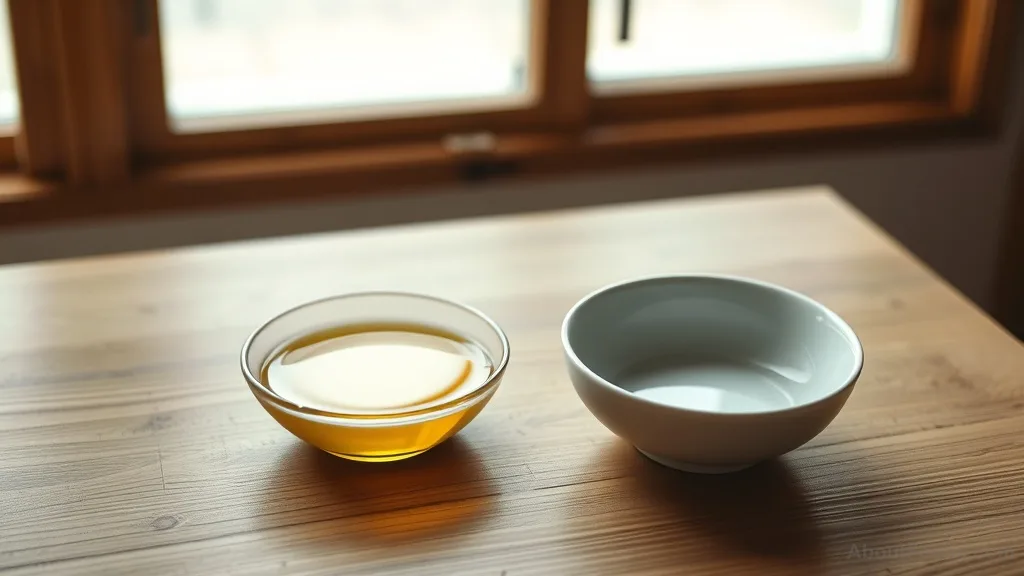
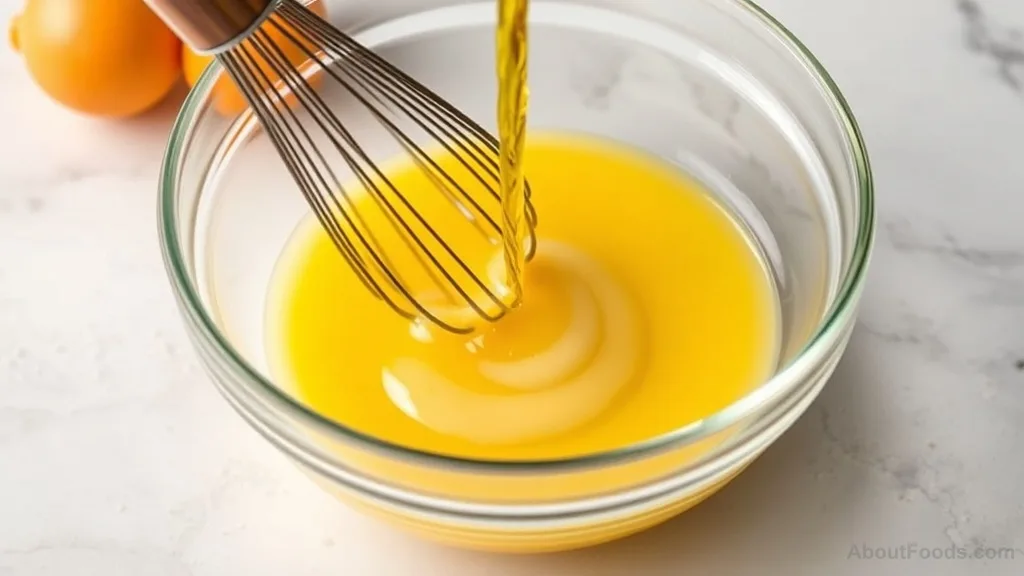
At its simplest, an emulsion is a stable mixture of two liquids that normally don't mix—like oil and water. In cooking, we mostly deal with oil-in-water emulsions (tiny oil droplets suspended in water) or water-in-oil emulsions (tiny water droplets in oil). Mayonnaise is oil-in-water; butter is water-in-oil. The key to a stable emulsion is an emulsifier—a molecule with one water-loving (hydrophilic) end and one fat-loving (lipophilic) end. Egg yolk, mustard, and lecithin are common emulsifiers that bridge the gap between oil and water.
Why Fats Matter in Emulsions
Fats provide richness, body, and flavor. In an emulsion, the fat phase contributes to texture and mouthfeel. The size of fat droplets affects stability: smaller droplets create a thicker, more stable emulsion. That's why slow, steady whisking or blending is crucial—it breaks oil into smaller droplets. Different fats have different properties. Olive oil adds flavor but can make emulsions more prone to breaking if not handled gently. Neutral oils like canola or grapeseed yield a more stable base for delicate sauces.
The Emulsifier’s Role
Emulsifiers are the key to a lasting emulsion. Egg yolk contains lecithin and proteins that surround oil droplets, preventing them from coalescing. Mustard adds both lecithin and mucilage, which thicken the water phase. Other emulsifiers include honey (for vinaigrettes), garlic paste (contains natural emulsifiers), and even a pinch of xanthan gum for stability. Without an emulsifier, an emulsion will separate quickly.
Common Mistakes and How to Fix a Broken Emulsion
A broken emulsion—where oil and water separate—is every cook's frustration. Common causes: adding oil too fast, too much oil relative to water, or temperature shock. To fix a broken vinaigrette or mayonnaise, start with a new egg yolk or a teaspoon of mustard in a clean bowl, then slowly whisk in the broken mixture drop by drop. For a broken hollandaise, a splash of warm water and vigorous whisking can sometimes bring it back. Patience and gradual addition are your best friends.
Practical Tips for Home Cooks
- Always add oil slowly to the water phase while whisking or blending.
- Use room-temperature eggs for mayonnaise—they emulsify more easily.
- For vinaigrettes
- whisk in a dab of mustard or honey to stabilize.
- If using a blender
- start on low speed and increase gradually.
- Cold ingredients can cause fat to solidify and break the emulsion—warm them slightly.
- Acid (vinegar or lemon juice) helps dissolve some emulsifiers and improves stability.
Quick Reference: Types of Emulsions
Frequently Asked Questions
Rate this article
No ratings yet. Be the first to rate it.

Written by
Ren Tanaka
Specialises in Japanese cuisineRen is a quiet ramen master who sharpens his own knives and meditates before slicing negi. He doesn't own a microwave.
Describe yourself in three words: Minimalist, serene, occasionally cryptic.