Fats And Emulsions
Fats and Emulsions vs Guesswork: What Actually Matters
Stop guessing why your vinaigrette breaks or your sauce splits. This article explains the science of fat structure, emulsion stability, and temperature control so you can cook with confidence.
Why Emulsions Fail: The Core Science
Every home cook has witnessed it: a vinaigrette that separates within minutes, a mayonnaise that turns thin and greasy, or a hollandaise that literally breaks into butter and water. The natural instinct is to blame the ingredients or your technique, but often the real culprit is a misunderstanding of fat structure and emulsion stability. Emulsions are not magic: they are a predictable system of oil, water, and stabilizers. Once you understand the roles of fat molecules, droplet size, and interfacial tension, you can stop guessing and start controlling.
An emulsion is a dispersion of one immiscible liquid into another. In the kitchen, that usually means oil dispersed in water (vinaigrette) or water dispersed in oil (butter). The problem is thermodynamics: oil and water want to separate. To keep them mixed, you need an emulsifier – a molecule with a water-loving head and an oil-loving tail. Egg yolk, mustard, and lecithin are classic examples.
Fat Structure: Saturated vs. Unsaturated Fats
The type of fat you use directly affects emulsion stability. Saturated fats, like butter or coconut oil, have straight molecular chains that pack tightly. They are solid at room temperature and form a stronger barrier around water droplets. This is why butter-based emulsions like béarnaise can be quite stable if kept warm. Unsaturated fats, like olive or vegetable oil, have kinked chains that cannot pack as tightly. They remain liquid at room temperature, and the oil droplets they form are more prone to coalescence. However, unsaturated fats provide a more fluid mouthfeel, which is desirable in vinaigrettes.
The key is matching the fat to the application. For a stable mayonnaise that holds at room temperature, you can use a blend of saturated and unsaturated oils. For a delicate vinaigrette that will be used immediately, a pure unsaturated oil is fine. The fat structure also influences the viscosity of the emulsion: more saturated fat gives a thicker, more spreadable texture.
Temperature: The Hidden Variable
Temperature is one of the most overlooked variables in emulsion cooking. For an oil-in-water emulsion like mayonnaise, cold ingredients can prevent the oil from dispersing properly, leading to a thin or broken sauce. Warm oil, on the other hand, reduces the viscosity of the fat, making it easier to form small droplets. However, if the temperature is too high, the emulsifier (such as egg yolk proteins) can denature and lose its stabilizing ability. For water-in-oil emulsions like hollandaise, temperature is even more critical: if the sauce gets above 71°C (160°F), the egg proteins scramble and the emulsion breaks irreversibly.
The practical takeaway: bring your eggs and other liquid ingredients to room temperature before making mayonnaise. For hollandaise, keep the heat low and constant: use a double boiler and whisk continuously. Sudden temperature changes are the enemy. Avoid adding cold butter to a warm sauce: allow the butter to soften first.
Droplet Size: The Smaller the Better
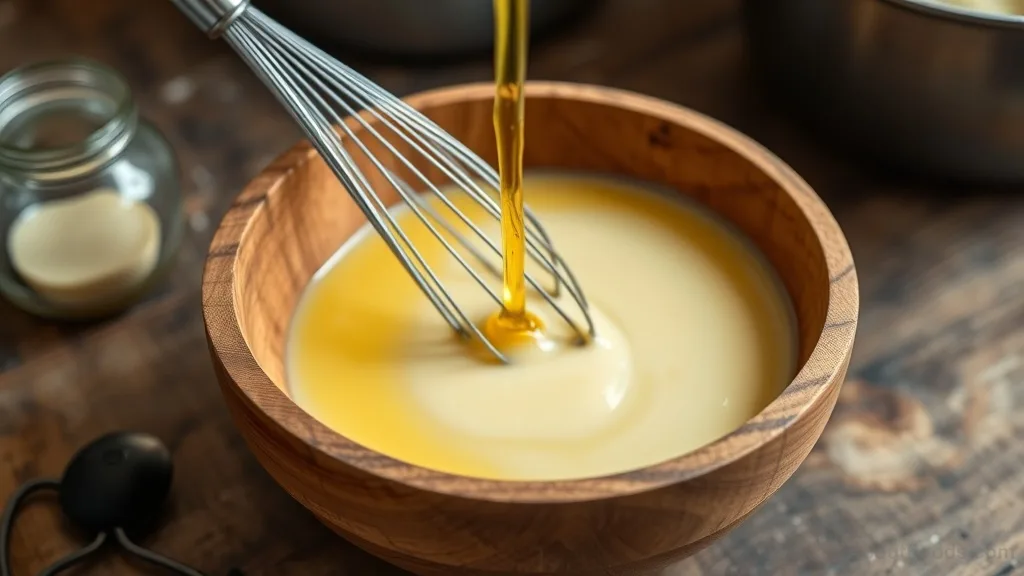
The stability of an emulsion is inversely related to the size of the dispersed droplets. Small droplets resist coalescence better because they are less likely to collide and merge. This is why vigorous whisking or a slow drizzle of oil is essential. When you add oil too quickly, the droplets are large and barely coated with emulsifier, so they quickly recombine. Conversely, a slow, steady stream of oil into a whisking egg yolk creates millions of tiny droplets, each stabilized by a thin film of emulsifier. The result is a thick, creamy, stable emulsion.
Modern kitchen tools like immersion blenders can make quick work of emulsions by shear force, but they also create extremely small droplets – often too small. Over-processing can incorporate too much air, leading to a frothy mayonnaise that lacks body. The goal is to achieve a droplet size small enough for stability but not so small that the emulsion becomes thin. This is why knowing when to stop is more important than how fast you whisk.
Busting Common Myths
Practical Applications: From Vinaigrette to Mayonnaise
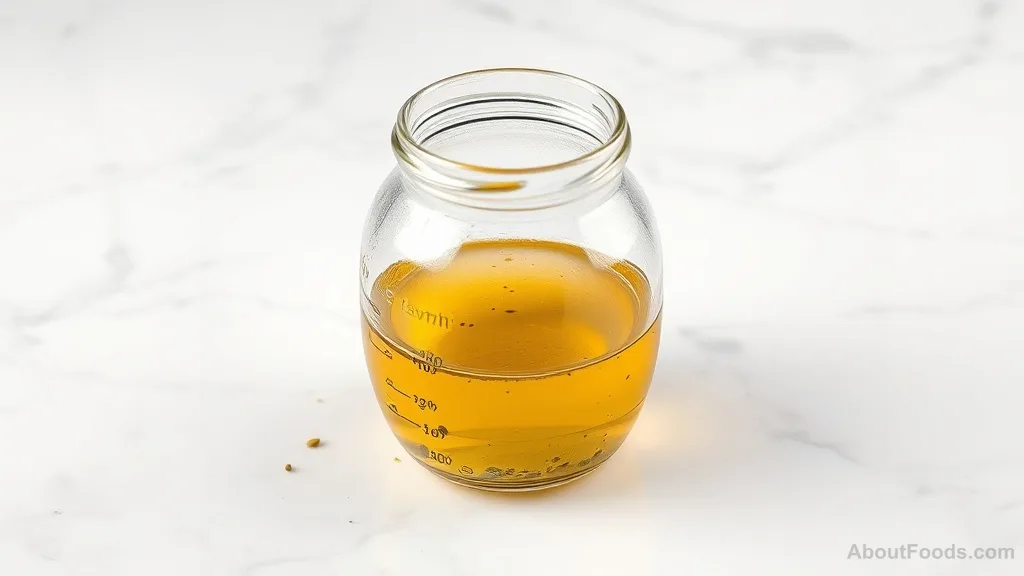
Let’s apply this science. For a stable vinaigrette that holds for a meal, use a ratio of three parts oil to one part vinegar, and add a pinch of mustard as a secondary emulsifier. Shake or whisk vigorously just before serving. For a creamy, stable mayonnaise, use one egg yolk per cup of oil, ensure all ingredients are at room temperature, and add the oil in a slow, steady stream while whisking constantly. If the mayonnaise begins to look thin or oily, stop adding oil and whisk vigorously until it thickens again before continuing. Remember: the goal is to create many small droplets, not a few large ones.
| Emulsion Type | Emulsifier | Idea Fat Type | Temperature Tip |
|---|---|---|---|
| Oil-in-water (mayonnaise) | Egg yolk, mustard | Vegetable oil (75% unsat, 25% sat) | Room temperature ingredients |
| Oil-in-water (vinaigrette) | Mustard, garlic paste | Olive oil (unsaturated) | Serve immediately; no heat |
| Water-in-oil (hollandaise) | Egg yolk | Butter (saturated) | Keep below 71°C; use double boiler |
Frequently Asked Questions
Why does my vinaigrette separate immediately?
A vinaigrette without egg yolk is a temporary emulsion. The oil droplets are relatively large and not sufficiently coated, so they quickly coalesce. Shake or whisk right before serving, and use a strong emulsifier (like mustard) for slightly more stability.
Can I use extra virgin olive oil for mayonnaise?
Yes, but its strong flavor can dominate. Also, extra virgin olive oil contains polyphenols that can disrupt droplet surfaces, making the emulsion slightly less stable. Use a blend of neutral oil (like canola) with some olive oil for better results.
My mayonnaise is too thin. What went wrong?
You likely added the oil too quickly, resulting in large droplets. Or your ingredients were too cold, preventing the emulsifier from working. You can try to fix it by starting a new yolk and slowly whisking in the thin mixture.
Rate this article
No ratings yet. Be the first to rate it.

Written by
Anders Lindberg
Specialises in Scandinavian cuisineAnders is a forager who puts lingonberries on everything, including pizza. His neighbors have filed a complaint.
Describe yourself in three words: Stoic, nature-obsessed, quietly intense.