Fermentation
How to Use Fermentation to Improve Taste and Texture
Harness the power of fermentation to transform simple ingredients into complex, umami-rich foods with improved texture. This guide explains the science behind fermentation and offers practical tips for home cooks.
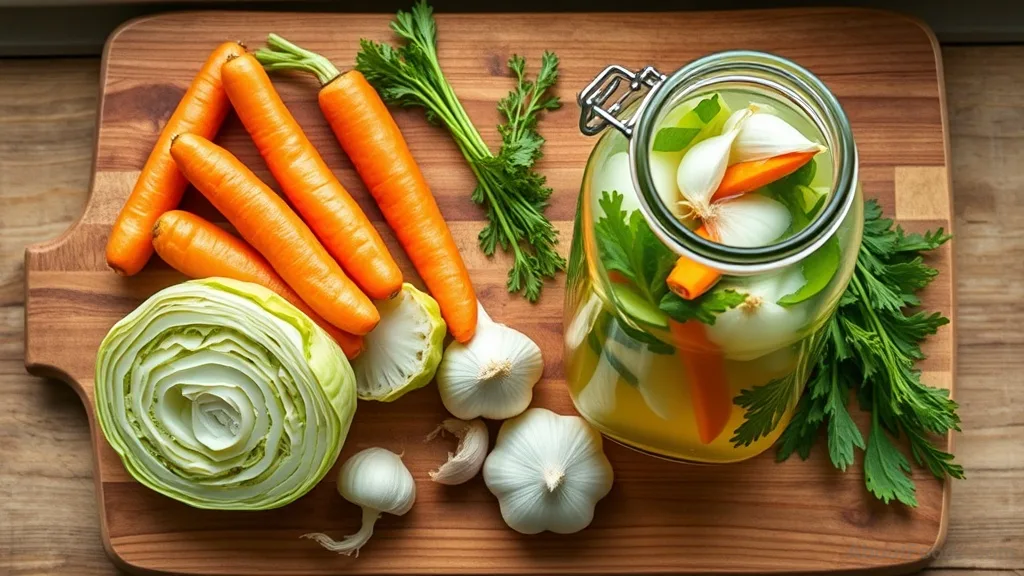
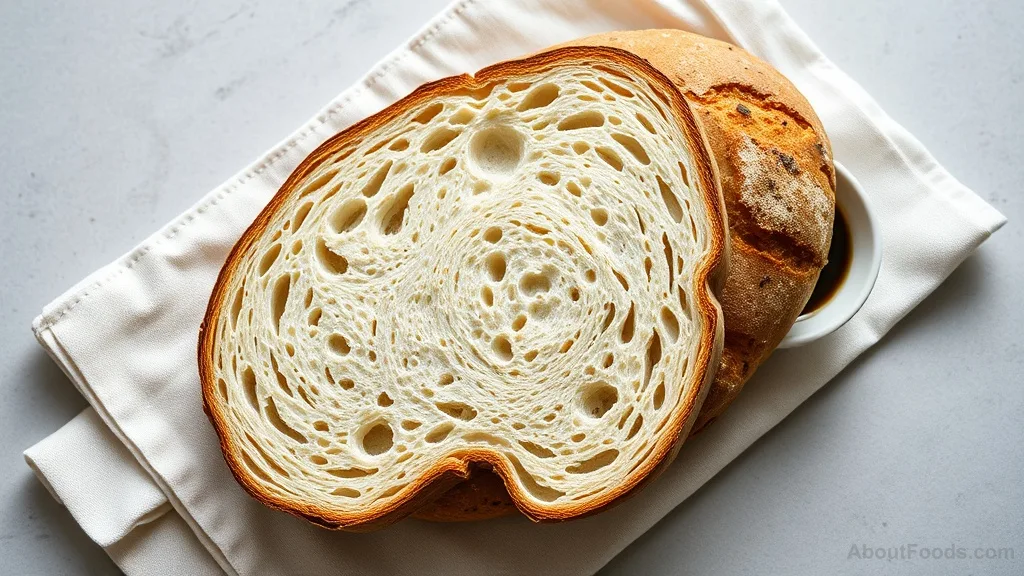
Why Fermentation Changes Taste
Fermentation is one of the oldest food preservation methods, but its magic goes far beyond shelf life. When you ferment a food, naturally present microbes—typically bacteria, yeast, or molds—break down complex molecules into simpler ones. This process creates new flavor compounds, enhances existing ones, and develops that crave-worthy umami taste. For example, in lactic acid fermentation, bacteria convert sugars into lactic acid, which adds a tangy brightness and unlocks savory notes. Soy sauce, miso, and aged cheeses all owe their rich depth to fermentation.
- Proteolysis breaks down proteins into amino acids like glutamate
- the source of umami.
- Lipolysis releases fatty acids that add complexity.
- Acids (lactic
- acetic) brighten and balance flavors.
- Alcohols and esters produce fruity and floral notes.
The Texture Transformation
Fermentation doesn't just change flavor—it can also alter texture dramatically. The microbes and enzymes involved either break down structure-building components like pectin and cellulose or create new ones. For instance, in vegetable fermentation, the controlled action of bacteria softens the cell walls slightly, making vegetables more tender while preserving a pleasant crunch. In sourdough, the lactic acid strengthens the gluten network, yielding a chewier crumb with a crisp crust. Even in dairy, fermentation thickens milk into yogurt or curds into cheese, thanks to acid coagulation.
Key Mechanisms at Work
| Mechanism | Effect on Taste | Effect on Texture |
|---|---|---|
| Acid production (lactic/acetic) | Sourness, brightness | Coagulates proteins, firms gels |
| Enzymatic breakdown (proteolysis) | Umami, savory depth | Softens tissues, creates tender bite |
| Gas production (CO2) | Mild carbonation (e.g., kombucha) | Creates air pockets, leavening (bread) |
| Enzymatic breakdown (cellulase/pectinase) | Exposes new flavors | Softens cell walls, crispy yet tender |
Choosing Ingredients and Starter Cultures
Not all ingredients are created equal when it comes to fermentation. Vegetables with high water content like cucumbers and cabbage need enough salt to draw out water and suppress undesirable microbes. For starters, you can use a mother culture (like kombucha SCOBY), a powdered starter (for yogurt), or simply wild microbes from the vegetable surface—as in sauerkraut. Always use clean jars, non-chlorinated water, and high-quality salt without anti-caking agents to ensure success.
Common Mistakes and How to Avoid Them
Many beginners face a few pitfalls: Soggy vegetables result from too little salt or too warm a temperature—stick to 2% salt by weight of vegetables and keep below 70°F (21°C). Mold can form if solids are exposed to air; use a weight to submerge everything. An overly long fermentation can make foods too sour; taste periodically at room temp, then refrigerate to slow fermentation. Off-odors often indicate spoilage bacteria—trust your nose and discard anything that smells rotten.
Quick Reference: Fermentation Charts and FAQ
How do I know my ferment is safe?
If it smells pleasantly tangy or sour, not rotten, and has no mold, it’s likely safe. Fermented vegetables stay crunchy at first, then soften; that's normal.
Can I ferment without salt?
Salt is essential for most vegetable ferments to inhibit pathogens and promote good bacteria. For dairy or grains, salt may be optional but used for flavor.
Why does fermented food improve texture?
Enzymes soften plant cell walls just enough, while acids can firm proteins. The result is often a tender crunch or a creamy consistency, depending on the food.
Embrace fermentation as a culinary tool—it's forgiving, rewarding, and endlessly creative. Start with a simple sauerkraut or a sourdough starter, then experiment with different ingredients and times. Your taste buds will thank you.
Rate this article
No ratings yet. Be the first to rate it.

Written by
Maya Green
Specialises in Vegan Plant Based Global cuisineMaya went vegan after watching a documentary in 2018 and hasn't shut up about cashew cream since. Her food is actually incredible.
Describe yourself in three words: Passionate, evangelical about plants, loving.