Fermentation
Fermentation vs Guesswork: What Actually Matters
Many home ferments fail because of guesswork. Learn the few critical variables—salt concentration, temperature, and oxygen control—that separate success from spoilage.
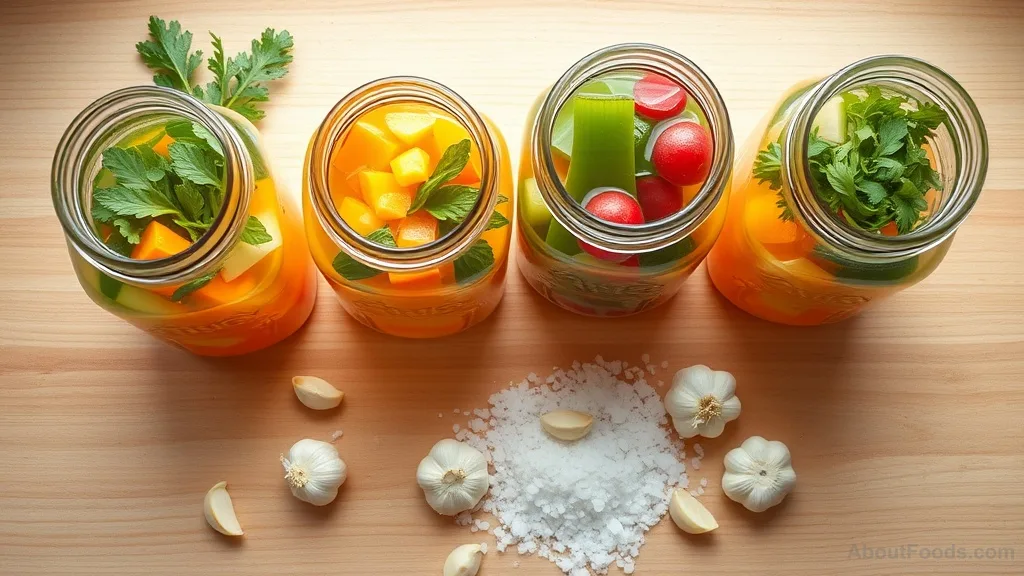
Introduction: The Quiet Art of Control
Fermentation is not magic. It is a predictable biological process governed by a handful of variables. When those variables are controlled, the results are consistent and delicious. When they are left to guesswork, you invite mold, off-flavors, or worse—spoilage. This article cuts through the mystique and tells you exactly what matters, so you can ferment with confidence.
The One Variable That Rules Them All: Salt Concentration
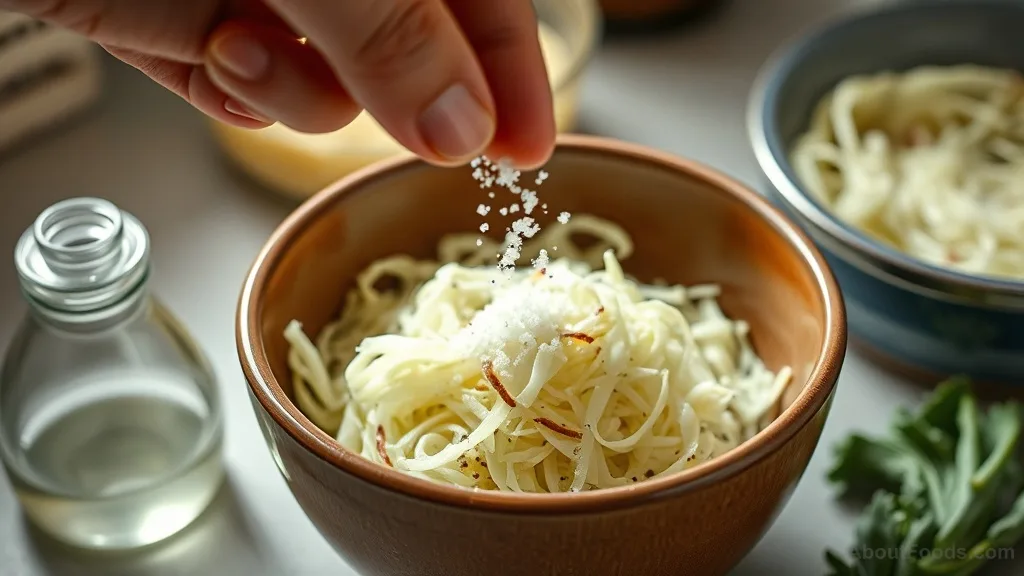
Salt is not just for flavor. In lacto-fermentation, it performs two critical functions: it draws water out of vegetables to create a brine, and it inhibits unwanted bacteria while allowing Lactobacillus to thrive. Too little salt and your ferment rots. Too much and fermentation stalls or the results become unpalatable.
The sweet spot for most vegetable ferments is between 2% and 5% salt by weight of the total mass (vegetables + water). For firmer vegetables like carrots or green beans, stay on the higher end. For leafy things like cabbage, 2% is often enough. The easiest way to get this right is to weigh everything and calculate the salt percentage precisely.
Use a non-iodized salt without anti-caking agents. Iodine and additives can inhibit fermentation. Kosher salt, sea salt, or pickling salt are ideal. Table salt is best avoided unless you weigh it, because its density differs from coarse salts.
Temperature: The Pacemaker
Temperature controls the speed and character of fermentation. Lactobacillus is most active between 18°C and 22°C (65°F – 72°F). At this range, fermentation proceeds steadily, producing balanced acidity and clean flavors. Above 25°C, fermentation accelerates and can create off-flavors or favor undesirable bacteria. Below 15°C, fermentation slows drastically and may stall.
Many home kitchens sit around 20°C, which is perfect. If your kitchen is warm, move your ferments to a cooler spot like a basement or pantry. If it is cold, consider a dedicated fermentation mat or a cooler with a temperature controller. Consistency matters more than chasing a precise number.
Oxygen: The Enemy of Good Fermentation
Lacto-fermentation is anaerobic. Oxygen promotes mold and spoilage organisms, not the good bacteria we want. Keeping vegetables submerged beneath the brine is non-negotiable. Use glass weights, ziplock bags filled with brine, or purpose-made fermentation springs to hold everything down.
Airlocks are a reliable way to maintain an anaerobic environment while allowing carbon dioxide to escape. They are inexpensive and effective. If you use a jar with a tight lid, you must 'burp' it daily to release pressure—and even then, oxygen can creep in. Airlocks simplify the process.
Acidity and Time: Letting It Finish
Fermentation time depends on temperature, salt concentration, and your taste. Taste your ferment daily starting after three days. The ferment is ready when it tastes pleasantly sour and the vegetables have softened to your liking. For sauerkraut, that is typically one to four weeks. For pickles, it can be as few as five days or as long as several weeks.
Once the pH drops below 4.6, the ferment is shelf-stable under refrigeration for many months. A simple pH test strip can give you certainty, but experience will teach you the signs: a clean, tangy smell, lack of mold, and firm-but-yielding texture.
Common Myths That Lead to Failure
Quick Reference: Your Fermentation Cheat Sheet
Frequently Asked Questions
Final Thoughts: Precision Over Intuition
Fermentation is an ancient practice, but it is not folklore. The science is clear, and the variables are few. Master salt, temperature, and submersion, and you will produce ferments that are safe, consistent, and deeply flavorful. Leave guesswork for seasoning—not for preserving.
Rate this article
No ratings yet. Be the first to rate it.

Written by
Ren Tanaka
Specialises in Japanese cuisineRen is a quiet ramen master who sharpens his own knives and meditates before slicing negi. He doesn't own a microwave.
Describe yourself in three words: Minimalist, serene, occasionally cryptic.