Myth Busting
Why Experts Agree: The ‘Finger Test’ for Steak Doneness Is a Joke
The finger test—pressing your palm to gauge steak doneness—is a popular trick but scientifically unreliable. We break down why it fails and offer precise, foolproof alternatives.
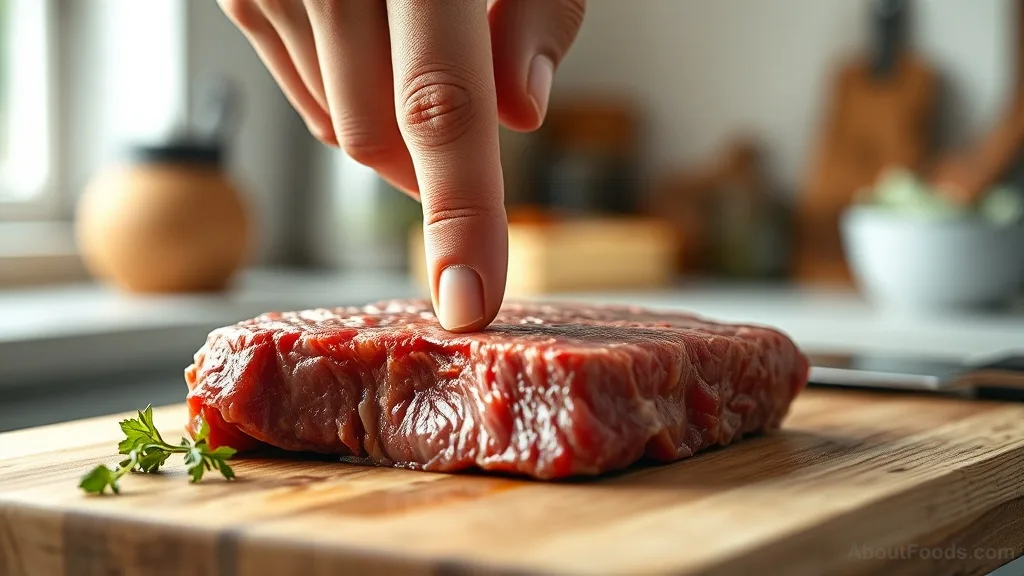
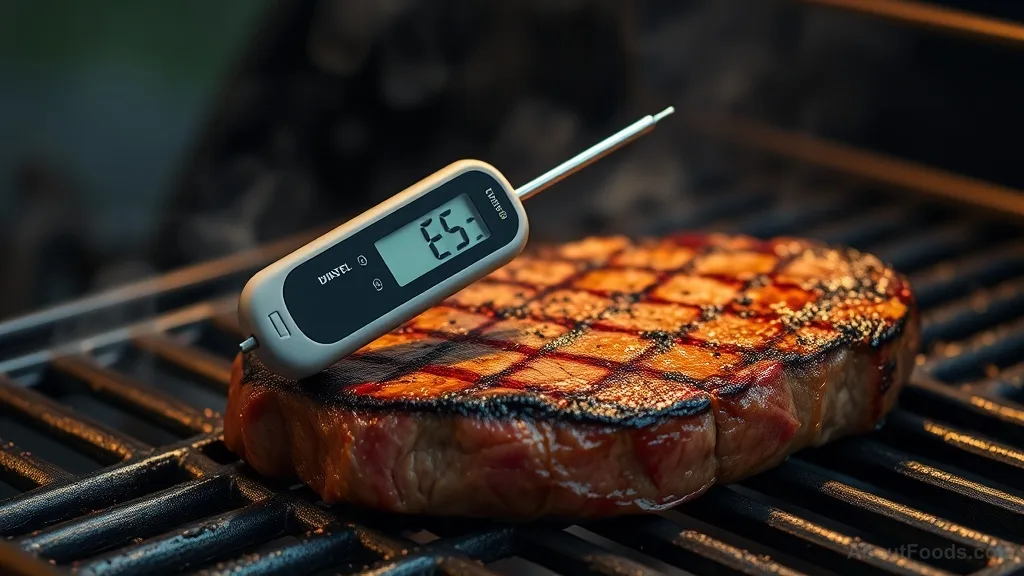
The Finger Test: What Is It?
You’ve likely seen it—a chef presses the tip of their thumb to different fingers, then prods the fleshy part of their palm, claiming it mimics the feel of a rare, medium-rare, or well-done steak. It’s a neat party trick, but scientifically it’s about as reliable as guessing the weather by looking at a sheep.
The method supposedly works because your palm muscles get firmer as you touch different fingers. But here’s the rub: everyone’s hands are different. A rugby player’s palm and a pianist’s palm feel nothing alike, and the steak’s thickness, cut, and temperature at the start all mess with the correlation.
Why the Finger Test Fails
Let’s get into the meat of it—pun intended. Meat doneness is determined by internal temperature, not surface feel. When you cook a steak, proteins denature and moisture moves, changing firmness. But that change is gradual and affected by many variables:.
- Steak thickness: A thin steak cooks faster and feels firmer sooner than a thick one.
- Muscle type: Tenderloin is softer than sirloin at the same doneness.
- Resting: A steak continues to cook after it's off the heat
- the finger test doesn't account for carryover.
- Individual hand variation: The firmness of your palm is not a universal standard.
Studies (and countless home cooks) have shown that even experienced chefs can’t reliably judge doneness by touch. In a blind test, even pros are all over the place.
The Science of Doneness: What Actually Happens
When a steak heats up, its muscle fibres contract and squeeze out water. At 50°C (122°F), proteins begin to denature; at 60°C (140°F), collagen starts to break down; at 70°C (158°F), the fibres tighten significantly. These changes are consistent, but they occur inside the meat, not on the surface. Touching the surface only tells you about the very outer layer.
Better Alternatives to the Finger Test
If you want consistently perfect steak, ditch the palm and use a thermometer. It’s not cheating—it’s science. Here are the best options:.
For those who absolutely refuse to use a thermometer, time-and-temp charts (based on thickness and cooking method) are far more reliable than touch. But trust me, a good instant-read thermometer is worth the tenner.
Common Mistakes When Testing Steak Doneness
- Pressing too hard: You’re not testing a mattress
- gentle pressure only gives info on the surface.
- Testing too early: Let the steak rest for at least 3-5 minutes before even thinking about doneness.
- Ignoring carryover cooking: Meat temp rises 2-5°C after removing from heat
- so pull it off a bit early.
The Takeaway
The finger test is a fun anecdote, but it’s not something to rely on if you care about consistent results. For me, a perfectly medium-rare steak is a beautiful thing, and I want to get it right every time. Use a thermometer, learn the temps, and you’ll never second-guess yourself again.
Frequently Asked Questions
Rate this article
No ratings yet. Be the first to rate it.

Written by
Imogen Hawthorne
Specialises in British cuisineImogen makes bangers and mash with onion gravy that she reduces for hours. She is a patient masher.
Describe yourself in three words: Mashy, oniony, banger queen.