Food Safety And Preservation
Food Safety and Preservation Myths That Confuse Home Cooks
From washing chicken to storing eggs, many common kitchen rules are based on myth, not science. We debunk 9 persistent food safety myths with clear, evidence-based explanations so you can cook with confidence and reduce waste.
Introduction: Why Myths Stick in the Kitchen
I love a good kitchen myth. They feel like old wisdom passed down through generations—a grandmother’s rule, a tip from a cookbook, something you just *know* because everyone says so. But when I started digging into the science behind food safety, I realized many of these so-called rules are either useless or dangerous. And as someone who lives for umami metrics and methodical cooking, I can’t stand inefficiency or risk. So let’s bust nine of the most stubborn food safety myths that confuse home cooks.
Myth 1: Washing Chicken Removes Bacteria
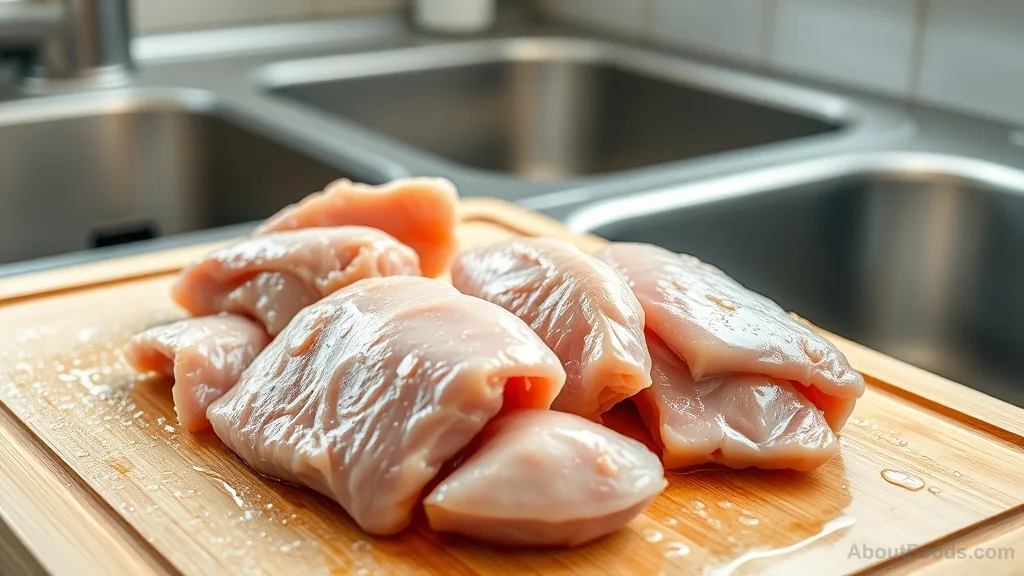
Many home cooks rinse raw chicken under the tap, thinking it washes away Salmonella or Campylobacter. In reality, washing does nothing to kill bacteria, and instead, it sprays contaminated droplets up to three feet around your sink—on countertops, utensils, and even clean dishes. The only way to kill these pathogens is to cook the chicken to an internal temperature of 165°F (74°C). If you want to remove excess moisture, pat the chicken dry with paper towels and then wash your hands thoroughly.
Myth 2: The Five-Second Rule
The idea that food dropped on the floor is safe if picked up within five seconds is fiction. Bacteria transfer to food instantaneously on contact. The rate depends on moisture, surface texture, and food type—but there’s no safe window. A study from Rutgers University found that watermelon (high moisture) picked up more bacteria in under a second than gummy candy (low moisture) in five seconds. My advice: if it hits the floor, it’s trash.
Myth 3: You Can Tell If Food Is Safe by Smelling It
Your nose is a wonderful tool for detecting spoilage, but it’s useless against many foodborne pathogens. Listeria, Salmonella, and E. coli do not produce noticeable odors until they have grown to dangerous levels—or they may never cause a smell. Relying on smell is especially risky for refrigerated leftovers, deli meats, and soft cheeses. Instead, follow time and temperature guidelines: refrigerate leftovers within two hours, and discard any food that has been in the fridge longer than four days.
Myth 4: Marinades at Room Temperature Penetrate Better
Some cooks leave meat marinating on the counter, thinking room temperature helps flavors seep in. But the temperature difference between the fridge and counter is negligible for diffusion. The real risk is that bacteria multiply rapidly in the “danger zone” between 40°F and 140°F (4°C–60°C). Marinate in the refrigerator for safety. And if you want deeper flavor, use a vacuum sealer or a longer marinating time—not higher temperature.
Myth 5: Eggs Must Be Refrigerated
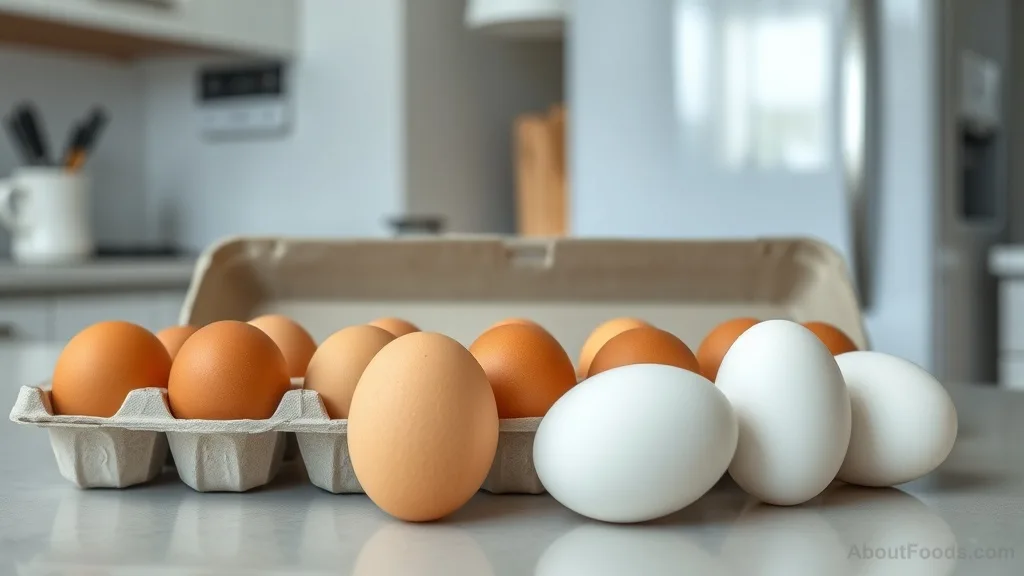
This myth depends on where you live. In the United States, commercial eggs are washed before sale, which removes a protective cuticle. They must be refrigerated to prevent bacterial growth. But in Europe and many other countries, eggs are not washed and can safely be stored on the counter for up to a month. The key is that once you refrigerate an egg, you must keep it cold—temperature swings cause condensation that invites bacteria through the shell. So if you buy US eggs, keep them in the fridge.
Myth 6: Plastic Cutting Boards Are Safer Than Wood
Many believe plastic boards are more hygienic because they are non-porous and dishwasher-safe. But research shows that both materials can harbor bacteria if not cleaned properly. Wood actually has natural antimicrobial properties—certain compounds in wood can reduce bacterial survival. The most important factor is cleaning: after cutting raw meat, wash the board with hot, soapy water, then sanitize with a diluted bleach solution or in the dishwasher (if plastic). Use separate boards for raw meat and produce regardless of material.
Myth 7: Cooling Leftovers Slowly Is Fine
Some people let large pots of soup or stew cool on the stove for hours before refrigerating, thinking it’s harmless. In reality, slow cooling keeps food in the danger zone too long, allowing bacteria to multiply rapidly. The USDA recommends cooling leftovers from 140°F to 70°F (60°C to 21°C) within two hours, and then to 40°F (4°C) within another four hours. Divide large portions into shallow containers to speed cooling, and refrigerate immediately once the steam stops rising.
Myth 8: Reheating Food Kills All Bacteria
While reheating can kill active bacteria, it often does not destroy heat-stable toxins produced by some bacteria (e.g., Staphylococcus aureus). If food has been left out too long, toxins may remain even after thorough reheating, causing food poisoning. The only prevention is proper storage and not leaving food in the danger zone for more than two hours. When reheating, bring soups, sauces, and gravies to a rolling boil, and heat solid leftovers to 165°F (74°C) throughout.
Myth 9: Oily Foods Never Go Bad
Some cooks believe that foods preserved in oil, like garlic in olive oil or herbs in oil, last indefinitely. But oils can go rancid, and anaerobic conditions (low oxygen) in flavored oils create a perfect environment for Clostridium botulinum (botulism) to grow, especially if garlic or herbs are fresh and not acidified. Store homemade flavored oils in the refrigerator and use them within a week. Commercially prepared oil infusions are safe due to acidification and heat treatment. Always check the label.
Practical Takeaways
- Don't wash raw chicken
- cook it to 165°F (74°C) instead.
- Discard food that touches the floor
- regardless of time.
- Use a thermometer and time guidelines
- not your nose
- for safety.
- Always marinate in the refrigerator.
Is it safe to refreeze thawed meat?
Yes, if it was thawed safely in the refrigerator. Refreezing may affect texture and moisture quality but is not a safety issue.
Can I leave butter out on the counter?
Salted butter can be left out for a few days due to its low water activity and high fat content. Unsalted butter and whipped butter should be refrigerated.
How long can cooked rice sit out?
Cooked rice should not sit out for more than two hours. Bacillus cereus spores can survive cooking and cause food poisoning when left at room temperature.
Final Thoughts
Food safety isn't about following a set of mythical rules—it's about understanding the science of bacteria, temperature, and time. As cooks, we want to trust our instincts, but it's better to trust a thermometer and a timer. Next time you're tempted to wash that chicken or rely on the five-second rule, remember: the science is on your side. Cook smart, stay safe, and enjoy your food.
Rate this article
No ratings yet. Be the first to rate it.

Written by
Pim Saelim
Specialises in Thai cuisineThis Pim is a food scientist who weighs her fish sauce.
Describe yourself in three words: Methodical, geeky, lives for umami metrics.