Food Safety And Preservation
Food Safety and Preservation vs Guesswork: What Actually Matters
Stop relying on sniff tests and grandma’s intuition. Here’s the real science behind keeping food safe and fresh—no guesswork required.
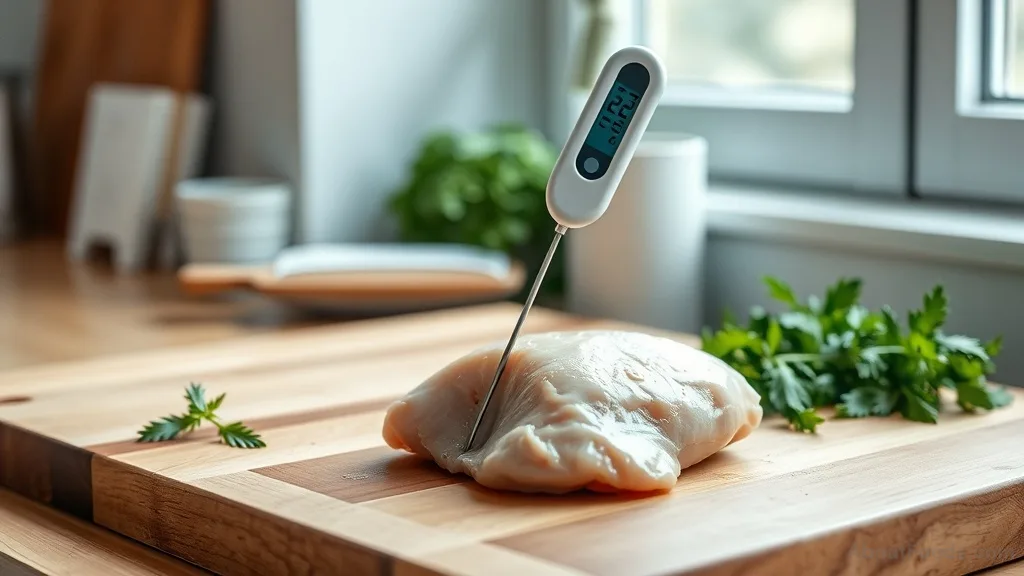
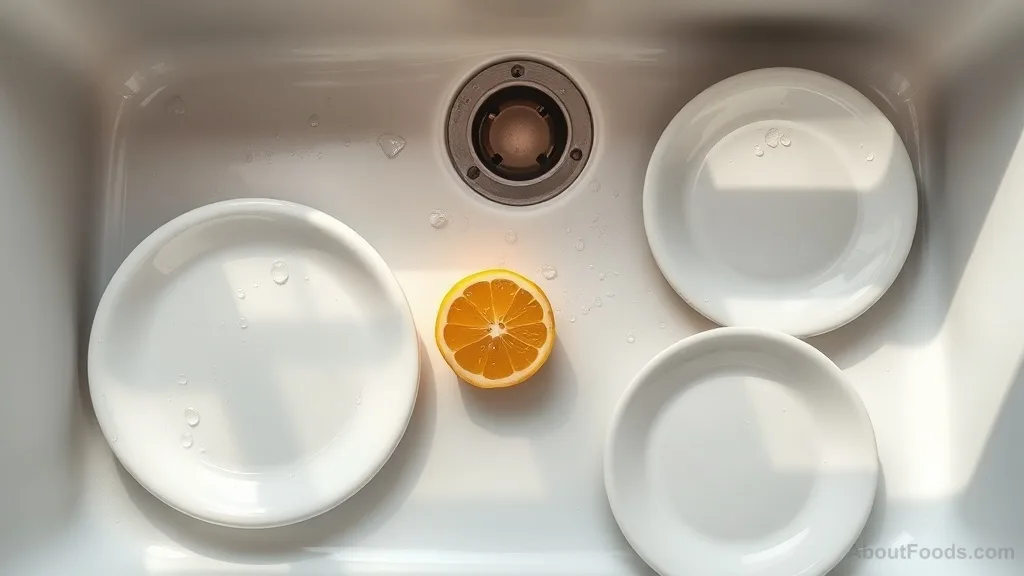
Why Your Nose Is Not a Lab Tool
I love a good sniff test as much as any cook. But here's the hard truth: you cannot smell most dangerous pathogens. Salmonella, Listeria, and E. coli are odorless, colorless freeloaders that don't announce their presence. By the time food smells off, spoilage bacteria (not the deadly ones) have already had a party. So please, my tired but hopeful friends, stop trusting your nose for safety. Use your nose only for deciding if that cheese is aged enough for dinner not for life-or-death decisions.
- Pathogens don't produce noticeable odors until they've grown to unsafe levels.
- Spoilage bacteria create smell but aren't necessarily harmful.
- The sniff test can lead to false confidence or needless waste.
The Danger Zone: 4°C–60°C (40°F–140°F)
This is the single most important concept in food safety. Bacteria thrive between 4°C and 60°C. Within that range, a single bacterium can multiply into millions in just a few hours. My grandmother kept her chicken on the counter overnight “for flavor,” and she survived. But she was lucky, not right. Modern refrigerators exist for a reason: they keep food safely below that threshold. Any food left in the danger zone for more than two hours should be tossed. One hour if it’s above 32°C (90°F). Set a timer. Trust the clock, not hope.
Cross-Contamination: The Invisible Handshake
You wash your hands, you wipe the counter—good. But cross-contamination still sneaks in like a bad date. It happens when juices from raw meat touch ready-to-eat foods via cutting boards, knives, sponges, or even your hands. The fix is simple: separate. One board for raw proteins, another for veggies and bread. And please, don’t rinse raw chicken. That sends bacteria splashing all over your sink, faucet, and nearby dishes. The heat of cooking kills the bacteria, not your tap water.
Preservation Methods That Actually Work (and Some That Don’t)
From pickling to fermenting to canning, people have preserved food for centuries. Many traditional methods are backed by science: acidity in pickling lowers pH to inhibit pathogens; fermentation creates a hostile environment for bad bacteria. But some methods are cosmetic at best. Wrapping cheese in paper does nothing for safety—it’s for moisture control. Oiling herbs may make them look pretty, but it does not preserve them. If you want to store fresh herbs, pop them in a glass of water in the fridge like flowers. That’s real preservation.
Quick Reference: The Temperature Cheat Sheet
Common Myths That Need to Retire
Can I tell if food is safe by tasting it?
Absolutely not. Pathogens don’t have a flavor. A tiny amount can make you sick. Don’t risk it.
Does freezing kill bacteria?
No. Freezing stops growth but doesn’t kill bacteria. Once thawed, they start multiplying again.
Is it safe to leave butter on the counter?
Salted butter is okay for a few days due to low water content and salt. Unsalted butter should stay refrigerated.
Can I rely on the “sniff test” for leftovers?
No. Sniff test only detects spoilage bacteria, not food poisoning pathogens. Follow time rules instead.
Is it safe to eat raw eggs?
Unless pasteurized, raw eggs carry Salmonella risk. The FDA recommends cooking until yolk and white are firm.
Final Takeaway: Respect the Science
Look, I understand. My buttery hands also want to believe that food will be fine if it smells fine. But after years in labs and kitchens, I’ve learned that nature doesn’t play games with our noses. Use a thermometer, follow storage guidelines, and when in doubt, throw it out. Your future self—the one not doubled over in abdominal pain—will thank you. Now go cook something safe and delicious.
Rate this article
No ratings yet. Be the first to rate it.

Written by
Claire Dubois
Specialises in French cuisineClaire is a former lawyer who now bakes croissants at 4am. She says pastry saved her soul and ruined her sleep schedule.
Describe yourself in three words: Tired but joyful, buttery hands.