Heat And Temperature
Heat and Temperature Explained: What Home Cooks Need to Know
Heat and temperature are not the same thing, but understanding the difference transforms your cooking. This article breaks down the science behind heat transfer, why temperature matters, and how to use that knowledge to get better results in your kitchen.
What's the Difference Between Heat and Temperature?
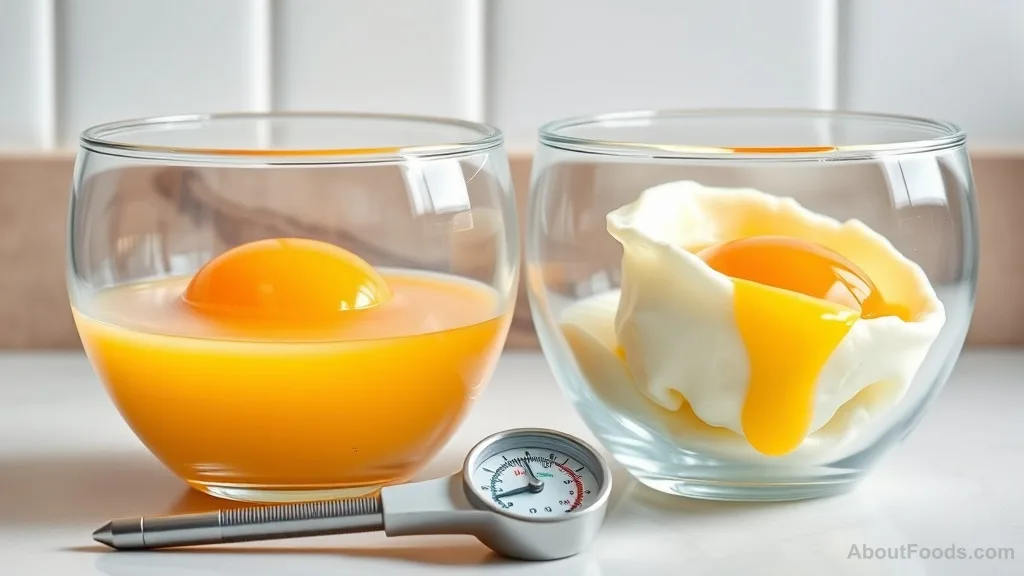
Most home cooks use "heat" and "temperature" interchangeably, but they mean different things in the kitchen. Temperature is a measure of how hot something is — the energy of the molecules jiggling around. Heat is the transfer of that energy from one place to another. Think of it like this: temperature tells how hot the molecules are, while heat is the actual energy moving from a hot pan into your food.
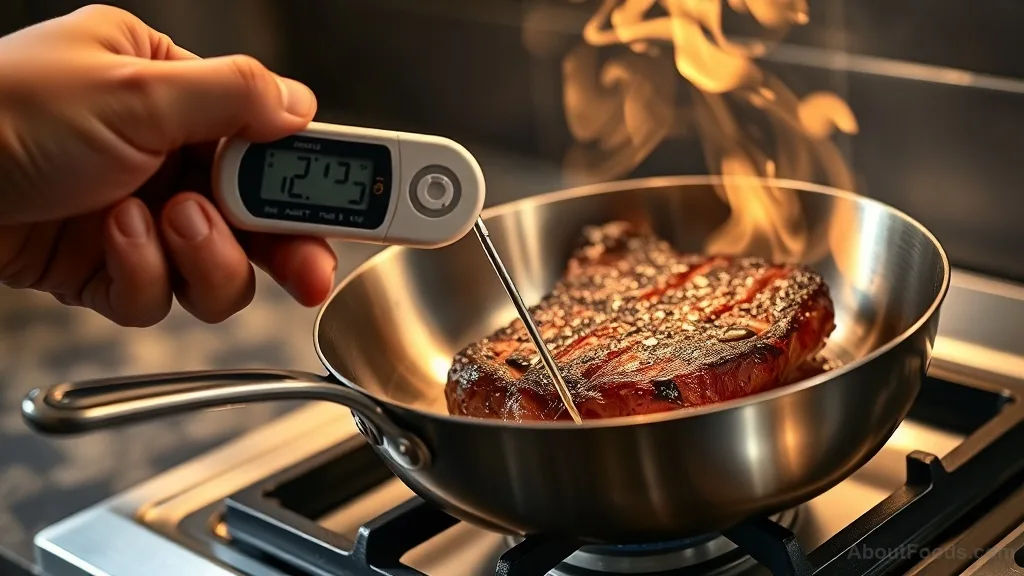
In practical terms, a cast iron pan at 350°F has the same temperature as a nonstick pan at 350°F, but the cast iron holds much more heat. That's why you get a better sear: the heat energy keeps flowing into the steak without the pan cooling down too fast.
How Heat Transfers into Your Food
Heat moves in three main ways: conduction, convection, and radiation. Understanding them helps you choose the right pan, the right heat level, and the right technique.
Conduction is direct contact — the pan touches the food, heat flows in. This is why heavy, conductive pans like copper or aluminum heat more evenly. Convection is movement of hot liquid or air — like rolling boiling water or the circulating hot air in an oven. Radiation is heat waves traveling through space, like from a broiler or a campfire.
Most cooking uses a mix of these. Searing? Conduction. Roasting in an oven? Convection and some radiation. Knowing this helps you troubleshoot: if your oven roasts unevenly, it might be a convection problem.
Why Pan Materials and Heat Level Matter
Different pan materials transfer heat at different rates. This property is called thermal conductivity. Copper is the best conductor, followed by aluminum, then steel, then cast iron. But conductivity isn't everything. Cast iron has high heat capacity — it holds a lot of thermal energy. That makes it great for steady, long-lasting heat, even if it takes longer to heat up.
Thin pans heat up fast but cool down fast when you add food. That's why a thin stainless skillet might cause uneven browning. A heavy, preheated cast iron pan gives you that sizzle that doesn't quit. Choose your pan based on the job: for a delicate egg, a lightweight nonstick works fine; for a thick steak, go heavy.
- High heat doesn't always mean higher temperature — it means more heat energy transferred per second.
- Low heat lets temperature equalize slowly
- which helps for gentle cooking like poaching or simmering.
- Always preheat your pan properly to avoid temperature drops when food hits the surface.
Using Temperature More Precisely at Home
You don't need a lab setup; just a good instant-read thermometer. Temperature lets you know exactly when food is cooked, not just guessing by time. Having said that, remember that the temperature you set on the stove is about heat output, not pan temp. High on one stove might be medium on another.
One common mistake: cranking the heat to high to "sear" might burn the outside while leaving the inside raw. Better to control the heat more moderately and let the pan do the work. Use your thermometer to check final temperatures rather than relying solely on visual cues.
Common Heat Questions – Answered
Does high heat always mean faster cooking?
Not exactly. High heat delivers more energy per second, but the food's interior can only transfer heat so fast. Too high can burn the outside. For thick cuts, start with a hot sear, then lower heat to cook through evenly.
Why does food stick to the pan even when I use oil?
Often because the pan isn't hot enough. When food hits a properly preheated pan with oil, moisture instantly vaporizes and creates a steam cushion that reduces sticking. If the pan is too cool, food sticks and tears.
Can I use a thermometer to check oil temperature for frying?
Yes, a thermometer is the most reliable way. For deep frying, keep oil between 350-375°F (177-190°C). A clip-on thermometer for the pot works great.
Why does a full pot of water take longer to boil than a half-full one?
Same heat input has to raise more water molecules to 212°F. That's heat capacity in action. More mass needs more energy to change temperature.
Rate this article
No ratings yet. Be the first to rate it.

Written by
Carter Cooper
Specialises in American cuisineCarter Walker makes cornbread with honey butter and jalapeños. He is a sweet-spicy angel.
Describe yourself in three words: Sweet, spicy, cornbread crumbly.