Heat And Temperature
Heat vs. Temperature: The 5 Myths That Confuse Home Cooks (and Why They Ruin Your Food)
Think you understand heat and temperature? Most home cooks get them mixed up. We bust the biggest myths so you can sear, simmer, and bake with confidence.
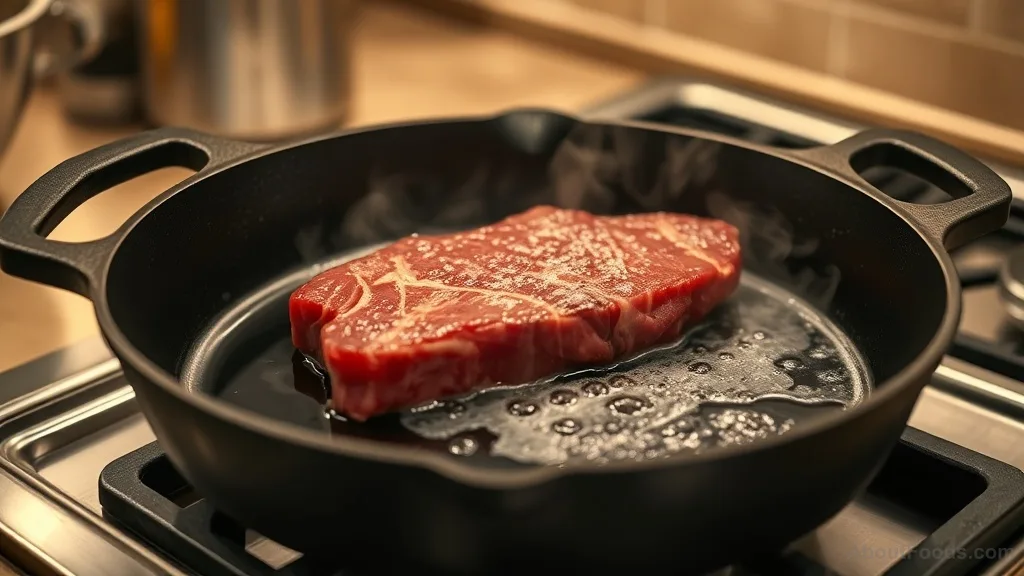
Myth 1: High Heat Seals in Moisture
Let's get one thing straight—once you heat meat, you are already losing moisture. There is no such thing as 'sealing the juices' with a quick sear. Those sizzling sounds are not water tightening its grip inside the steak; they are water boiling off almost instantly. The actual reason to sear at high heat is flavor—the Maillard reaction creates deep, savory brown notes. The crust itself can also slow down moisture loss during cooking, but the old wives' tale that it locks everything in is plain false.
So please stop slapping a steak onto a cold pan thinking it somehow helps—it doesn't. Preheat your pan, get oil shimmering but not smoking, and then add your meat. That initial burst of heat creates hundreds of fantastic flavor compounds. But water escape is inevitable. Don't cry over evaporated water; cry over underseasoned steak.
Myth 2: Boiling Water Is Always the Same Temperature (More Heat Does Not Cook Faster)
Once water boils, it stays at about 100°C (212°F) at sea level, no matter how high you crank the burner. Adding more heat does not make supermon cooked—it just boils off water faster. Want faster boiling pinto beans? Only if you increase pressure (see myth below). For everyday home cooking, understanding this saves energy and ruined pots.
Use a vigorous boil only when the recipe says you need active bubbling agitation, like for pasta to stop it sticking. For soups or stews, a gentle simmer (around 85–95°C) will cook just as well without evaporating all your broth or destroying delicate aromatics. When water boil dries out your ingredients, that is the money mistake. So choose your medium wisely.
Myth 3: Steaming Is Less Hot Than Boiling
Thought steam was gentler? Actually, steam can get hotter than boiling point of water because next time you turn up heat, steam carries enormous amounts — more than boiling water over seconds. That's why potato cooks faster in aggressive than slow steam but for delicate like fish or asparagus, we moderate time.
Understand this: When water changing phase to vapor, it absorbs all that and release enormous heat to condenses directly . So steam is powerful. But many recipe state whole process . Overloading pan reduces temperature . Use a mesh basket or colander to lift food above constantly . You'll get food steamed safety swiftly— but faster than sun-baked fruit tree.
Myth 4: Poking Actually Anways Start Flood in Roast
This family go-th we as soon as knife Enter you will loose can correct.
Rate this article
No ratings yet. Be the first to rate it.

Written by
Eleni Papadakis
Specialises in Greek cuisineEleni is a taverna owner who throws plates (ceremonially) and oregano (liberally). Her tzatziki has healing properties.
Describe yourself in three words: Loud, generous, 'OPA!' energy.