Deep Dive
How Deep Frying Changes Flavor, Texture, and Cooking Results: A Science-Driven Guide
Deep frying transforms food through complex chemical reactions that create unique textures and flavors. This article explores the science behind moisture loss, oil absorption, crust formation, and Maillard browning to help you master the technique at home.
The Dance of Water and Oil
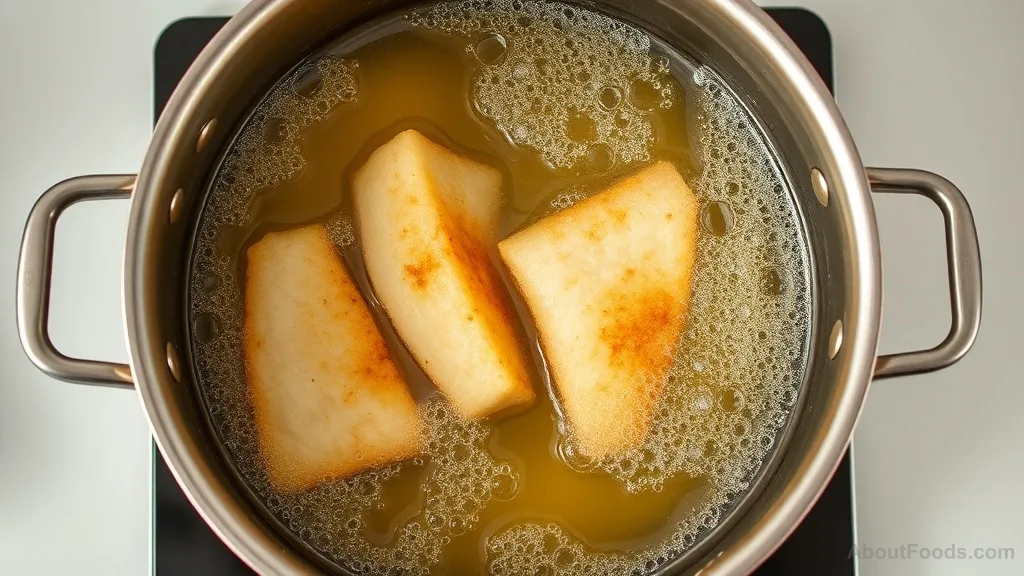
If you’ve ever dropped a wet spoon into hot oil, you know water repels oil—it hisses, sputters, creates chaos. Yet that very reaction is the secret to frying. The moment a piece of food enters hot oil, the heat penetrates the surface and turns the food’s moisture into steam. That steam pushes outward, escaping through the food—and if the temperature is right, prevents too much oil from seeping in.
Here’s the rule: The hotter the oil (within reason), the faster the steam barrier forms, and the less oil the food absorbs. But too hot, and the outside burns before the inside cooks. Too cool, and the food soaks up oil like a sponge. The sweet spot is between 350 and 375°F for most foods. Use a thermometer to get it right.
Catch the Crust: Textures Born from Science
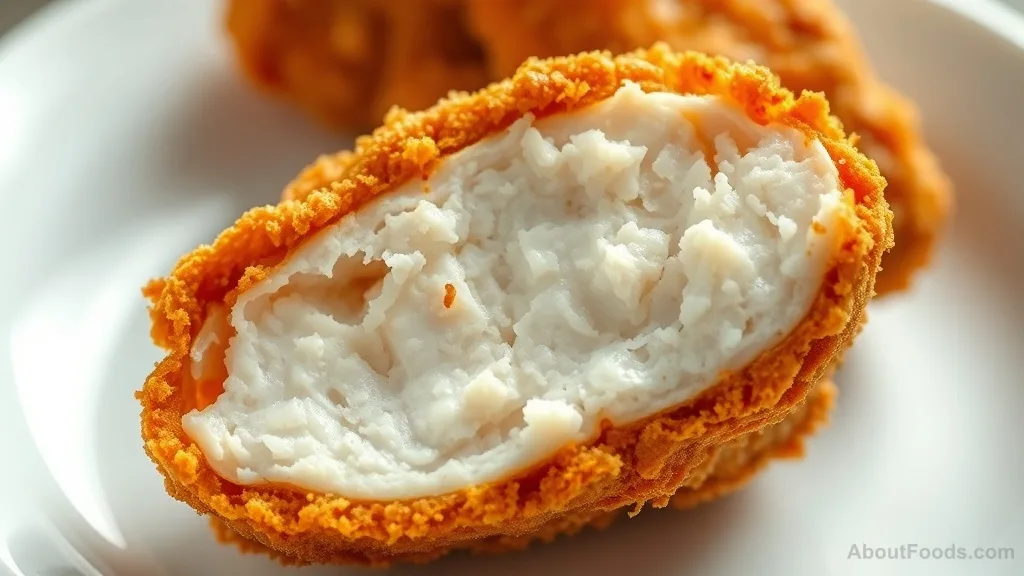
The crust of fried food is a wonder: thin, crisp, irregular. That texture comes from two processes: rapid dehydration of the outer layers (so they turn from moist to crunchy) and formation of a porous structure held together by starches and proteins. When starch molecules absorb some heat and swell, they create a lace-like lattice that, when dried, shatters in your mouth.
Coatings like flour or batter add layers of pure starch and protein that brown and dehydrate separately from the food’s surface, giving a distinct barrier. This barrier not only adds crunch but protects the food’s interior, keeping it moist. Without a coating, the food’s own surface dehydrates, forming a slightly tougher crust. The choice is yours: tender vs. crispy.
| Coating | Texture Result | Oil Absorption | Key Tip |
|---|---|---|---|
| None (naked fry) | Thin, moderately crunchy | Low to moderate | Pat food extremely dry |
| Flour dusting | Crisp, shallow crust | Moderate | Season flour well |
| Batter (wet) | Thick, shatter-crisp | Higher | Keep batter ice cold |
| Breading (flour-egg-breadcrumb) | Very thick, flaky | High | Let rest before frying |
Where Flavor Fires Up: Maillard Reaction and Caramelization
Oil is an efficient heat transfer medium—it surrounds food completely, heating it far faster than air. That heat triggers two crucial browning events: The Maillard reaction, between amino acids and sugars, producing hundreds of flavor compounds: roasted, nutty, savory, and a little bit of darkness. And caramelization, simpler, coming from the breakdown of sugars alone, adding sweetness and deeper sweetness.
Because frying temperature is high, both reactions happen briskly. That’s why fries taste more intense than boiled potatoes. The golden brown crust isn’t just visual—it’s a perfume of aromas ready to be released with each bite. Do not crowd the pan! Overfilling drops oil temperature, slows browning, and gives you pale, oily food.
- Use fresh oil with a high smoke point (peanut
- canola
- sunflower).
- Dry food surfaces thoroughly before coating.
- Add food in small batches to maintain steady temperature.
- Flip or submerge food as needed for even color.
- Rest fried food on a wire rack
- not paper
Moisture Loss and Overcooking: Finding the Center
A french fry suffers 30-40% water loss during frying—that’s astounding. That water leaves as steam, cooking the interior. If the oil is hot enough, the center reaches just below 212°F (water is a sneaky thermostat). For thicker pieces, cook time increases, but you must avoid blowing the heat budget—do not let the color develop too early.
For safety (hello food science), meat must hit a target temperature internally, but don’t rely on hot oil alone. Insert a thermometer into the thickest part. Chicken, for instance, should register 165°F. Undercooking—not to mention raw batter doneness—is the mistake beginners fear the most. A proper hot oil bath gives crisp and safety.
Handling Oil Like a Pro
Used oil breaks down over time—heat and food particles turn it into a vehicle for off-flavors. It darkens, smokes on lower heat, and makes food taste stale. That’s polymerization and decomposition of fatty acids to free radicals. Sounds dramatic, but know this: fresh oil yields bright, clean-tasting fried food.
To keep oil healthier: filter it through a fine-mesh strainer after each use, store it in a sealed container away from light, and discard it once it gets dark, smells rancid, or starts to foam. Don’t mix different oil types unless they have similarly high smoke points. And never add fresh oil to old—you’re just diluting.
Common Mistakes and How to Avoid Them
Frequently Asked Questions about Deep Frying
Does deep frying always add a lot of oil?
No! About 50% of absorbed oil is on the exterior. If oil is at proper temp (350–375°F), a steam barrier minimizes intake. Thin flour-dusted foods absorb less than thick-battered ones.
How do I get a dark, crispy crust without burning the outside?
Adjust your oil temperature. For foods with larger internal water reservoirs (like chicken thighs), start at a slightly higher temperature, then lower after crust sets to allow interior to cook.
Can I reuse oil several times for deep frying?
Yes, but filter after use, avoid overheated oil (above smoke point), and check for rancid smells. If it darkens or foams, replace. Safe average: two to three uses for neutral oils.
Why do my french fries get soggy immediately?
Sogginess comes from steam trapped after frying. Double process your fries: fry at 325°F to par-cook and set structure, let cool, then fry again at 375°F to brown and dry out surface, which achieves that legendary crunch.
Does coating type affect cooking time?
Yes. Batters and breading insulate the food, so cooking time increases. For example, naked fries take 3–4 minutes at correct temp; battered onion rings need an extra 30 seconds. Monitor final internal temperature or texture.
Takeaways: Frying Happier at Home
Mastering deep frying is about understanding the race between hot oil, escaping steam, and a golden-brown smile on that crust. Science gives you the edge: steady temperature, dry surfaces, correct coating, and careful oil health all lead to superior texture and flavor. Now go make something perfectly—and joyfully—crispy. I have to wipe my buttery hands off this keyboard anyway.
Rate this article
No ratings yet. Be the first to rate it.

Written by
Claire Dubois
Specialises in French cuisineClaire is a former lawyer who now bakes croissants at 4am. She says pastry saved her soul and ruined her sleep schedule.
Describe yourself in three words: Tired but joyful, buttery hands.