Fats And Emulsions
How Fats and Emulsions Transform Flavor, Texture, and Your Cooking
Fat is a foundational flavor carrier and texture shaper. Understanding emulsions unlocks silky sauces, tender baked goods, and well-balanced dishes. Let's explore the science—and the Turkish kitchen wisdom behind it.
Why Fat Matters in the Kitchen
Growing up in Turkey, I learned early that fat is not the enemy—it's the soul of the dish. From the golden sheen on a plate of börek to the velvety finish of a good tarhana soup, fat carries flavor, changes texture, and transforms cooking results. But how exactly does it do that? Let's get into the science.
Fat as a Flavor Carrier
Many flavor compounds are fat-soluble, meaning they dissolve in fat but not in water. When you sauté onions in olive oil, the savory molecules that make them taste rich and sweet are extracted into the fat. Without fat, those flavors stay locked in the ingredient. Fat also coats your tongue, prolonging the release of those flavors. This is why a lean tomato sauce can taste flat, while a sauce finished with a knob of butter tastes luscious and complex.
Fat and Texture: The Baker's Secret
In baking, fat does several structural jobs. When you cream butter and sugar, you create air pockets that lighten the cake. When you cut cold butter into flour, the butter remains in solid flakes, which upon melting produce steam and create flaky layers in pastries. Fat also coats gluten proteins, interfering with gluten formation and making baked goods tender. Too much fat, and your cake might crumble; too little, and it's tough. The key is balance.
| Fat Type | Texture Result | Best Used In |
|---|---|---|
| Butter (solid) | Flaky, tender | Pies, biscuits, croissants |
| Oil (liquid) | Moist, dense | Cakes, quick breads, brownies |
| Shortening (hydrogenated) | Very tender, stable | Cookies, icings |
| Lard | Flaky, savory | Savory pastries, tortillas |
What Is an Emulsion? The Magic of Mixing Oil and Water
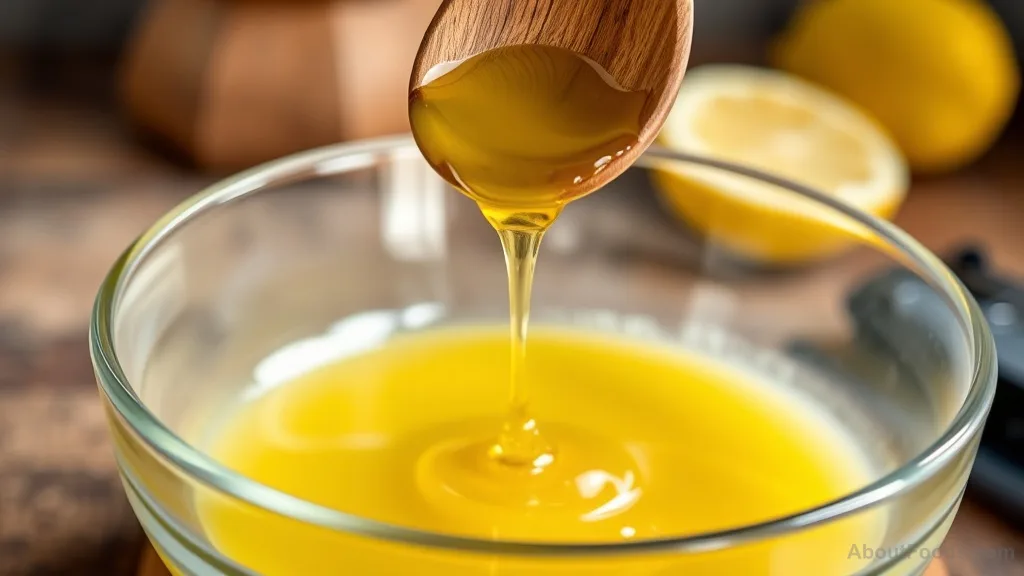
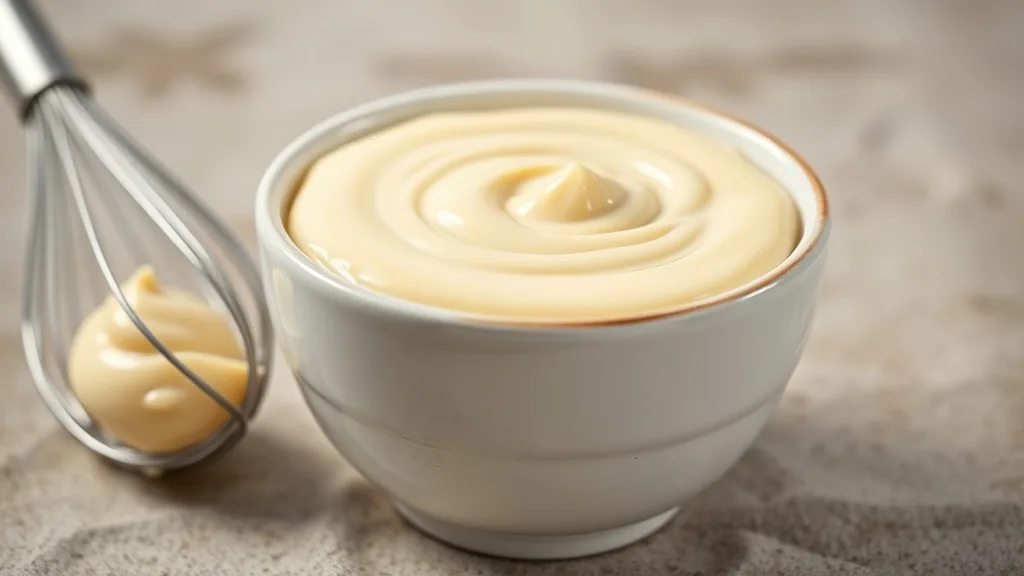
Oil and water naturally don't mix. But with a little help from an emulsifier—a molecule with a water-loving (hydrophilic) head and an oil-loving (lipophilic) tail—you can create a stable suspension of one liquid in the other. This is an emulsion. In the kitchen, the most common emulsions are mayonnaise (oil droplets suspended in water/vinegar) and vinaigrette (temporary, quick emulsion). The science: the emulsifier surrounds the oil droplets and keeps them from coalescing.
Egg yolk is a powerhouse emulsifier thanks to lecithin. Mustard also contains compounds that help stabilize emulsions. In Turkey, we often use egg yolk and lemon juice in sauces like terbiye (a yogurt-egg-lemon sauce) for such emulsions.
Types of Emulsions: Oil-in-Water vs. Water-in-Oil
The terms sound technical, but they're simple. In an oil-in-water emulsion, tiny oil droplets are dispersed in water. Mayonnaise and milk are examples—they feel light and are water-washable. In a water-in-oil emulsion, water droplets are dispersed in oil, like butter and margarine. These feel greasier and are oil-washable. Understanding this helps you predict how a sauce will behave: whether it will rinse off easily (oil-in-water) or cling stubbornly (water-in-oil).
How Emulsions Affect Cooking Results
In sauces like hollandaise or béarnaise, an emulsion creates a smooth, rich texture that feels luxurious on the tongue. When an emulsion breaks—when the oil separates—the sauce becomes greasy and watery. Preventing breakage means controlling temperature, adding the oil slowly, and using a proper amount of emulsifier. In baking, emulsions help create uniform texture: cake batter is an emulsion of fat and water, and if it breaks, the cake can be dense and uneven.
| Emulsion Type | Example | Stability Techniques |
|---|---|---|
| Temporary (vinaigrette) | Oil and vinegar | Whisk or shake just before serving; add mustard or honey as stabilizers |
| Semi-permanent (mayonnaise) | Oil, egg yolk, acid | Room temperature ingredients, slow oil addition, use only fresh egg yolk |
| Permanent (butter) | Butter is already emulsified | Keep cold when working with pastry; for sauces, melt gently without separation |
Common Mistakes That Break Emulsions
Practical Takeaways from a Turkish Kitchen
In Turkey, we use olive oil or butter as our main fats. When making a simple salad, a good extra virgin olive oil acts both as flavor and as the sole emulsifier (with lemon juice). For köfte, a bit of oil keeps the meat tender and helps the spices stick. And when I make muhammara—a red pepper and walnut dip—the oil slowly added to the pounded nuts creates an emulsion that makes it creamy and smooth. The lesson: fat and emulsions are not just science; they are tools every cook must master.
Frequently Asked Questions
Why does my vinaigrette always separate quickly?
Vinaigrettes are temporary emulsions unless you add an emulsifier like mustard, honey, or egg yolk. Even with emulsifiers, they may separate over time. Whisk or shake before serving.
Can I save a broken mayonnaise?
Yes! Start with a fresh egg yolk (or a teaspoon of mustard) in a clean bowl, then whisk in the broken mayonnaise slowly, as if you were starting over. The fresh yolk will re-emulsify the oil.
What's the best oil for mayonnaise?
A neutral oil like sunflower, canola, or light olive oil. Extra virgin olive oil can be used but gives a stronger flavor and can be slightly bitter. Many Turks use a blend.
Does fat make food taste better or just greasy?
The right amount of fat enhances flavor and texture without being greasy. Greasiness happens when an emulsion breaks or too much fat is used. Proper emulsification keeps fat well-integrated.
Rate this article
No ratings yet. Be the first to rate it.

Written by
Zeynep Yilmaz
Specialises in Turkish cuisineZeynep makes baklava with pistachios from her hometown of Gaziantep. She will tell you the exact village.
Describe yourself in three words: Proud, nutty, regionalist.