Food Safety And Preservation
How Food Safety and Preservation Changes Flavor, Texture, and Cooking Results
Food preservation methods—from brining to freezing—don't just keep food safe; they fundamentally alter its chemistry, changing flavor, texture, and how it behaves in the kitchen. Learn how these techniques work and how to use them for better cooking.
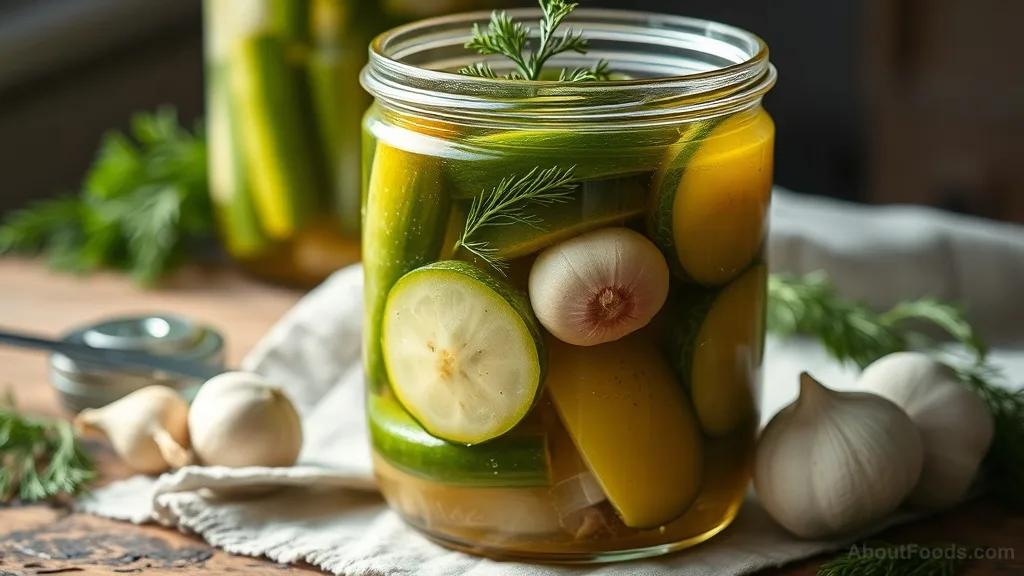
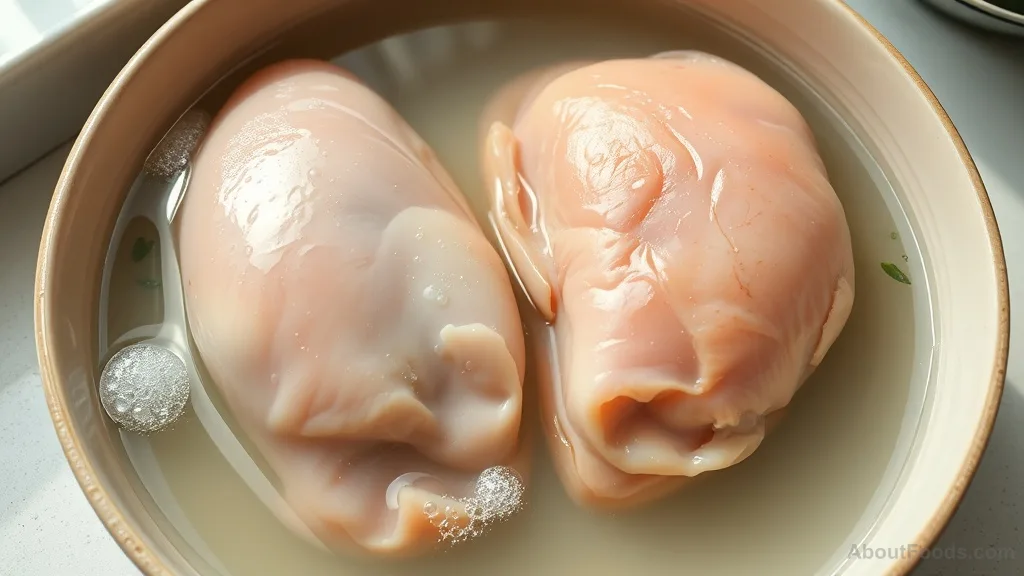
Why Preservation Changes Food More Than You Think
My Lola used to say, 'Ang pagkain ay buhay,' which means food is life. She treated every ingredient with respect, especially when she was preserving our harvest. I grew up watching her salt fish, pickle mangoes, and ferment shrimp paste. Back then, I thought it was all about making food last. But now I know that these preservation techniques—brining, freezing, fermentation, drying, and canning—do much more than keep food safe. They actively reshape the chemistry of food, altering flavor, texture, and even how it cooks. Understanding this science can make you a better cook, whether you're brining a turkey for Thanksgiving or simply deciding what to do with overripe bananas.
Brining: The Science of Salt and Moisture
Brining is one of the oldest preservation methods, but it's also one of the best for improving texture and flavor. When you submerge meat in salt water, two things happen. First, salt denatures the proteins, causing them to unwind and form a gel-like matrix that traps moisture. That's why brined chicken stays juicy even if you accidentally overcook it. Second, the salt dissolves some of the muscle fibers, making the meat more tender. But there's also a flavor payoff: the salt penetrates deep into the meat, seasoning it from the inside out. My Lola would brine fish in a simple mix of salt and water before frying, and it was always flaky and flavorful. The salt also affects how the meat browns—too much salt can pull moisture to the surface, making it harder to get a crisp crust. That's why you should pat the meat dry before searing.
Freezing: Texture Trade-offs and Flavor Preservation
Freezing is a double-edged sword. It's excellent for preserving flavor and nutrients—frozen vegetables can be more nutritious than fresh ones that have been sitting on the shelf for days. But the texture often suffers. Here's why: water expands when it freezes, forming sharp ice crystals that puncture cell walls. When you thaw the food, those cells collapse, releasing their juices and turning crisp vegetables into limp, watery versions of themselves. That's why frozen strawberries are great for smoothies but not for a fruit platter. The good news is that fast freezing creates smaller ice crystals, which cause less damage. Some commercial freezers use blast freezing to achieve this. At home, you can mimic it by spreading food out on a tray so it freezes quickly. My Lola would freeze vegetables right after blanching—the quick heat treatment deactivates enzymes that cause spoilage and helps preserve color and texture.
Fermentation: Microbes as Flavor Alchemists
Fermentation is where science meets magic. Beneficial bacteria and yeasts break down sugars and proteins, creating a symphony of new compounds. Lactic acid bacteria produce sourness, while yeast can create fruity esters. The result is complex, umami-rich flavors you can't get any other way. Take sauerkraut, for instance. The fermentation process not only preserves cabbage but also makes it more digestible and tender. The acid helps break down cell walls, creating a softer, more pleasant crunch. In Filipino cuisine, we have 'buro'—fermented rice and fish—which adds a distinct savory depth to dishes. The microbes also produce compounds that can affect cooking: fermented foods often brown faster when cooked because they contain free amino acids and reducing sugars that participate in the Maillard reaction. So a fermented hot sauce will caramelize more quickly when you sear chicken.
Dehydration and Canning: Concentrated Flavors and Texture Shifts
Dehydration removes water, which concentrates flavors and sugars. Dried tomatoes are intensely sweet and savory compared to fresh ones. But the texture becomes chewy or brittle, so you often need to rehydrate them. The moisture content also affects cooking: dried foods can burn easily because there's no water to moderate temperature. My Lola would dry her own fish to make 'daing,' then fry it till crispy. The drying made the flesh denser and the flavor more concentrated. Canning, on the other hand, uses high heat to sterilize food. This heat can soften textures significantly—canned green beans are much softer than fresh. The high temperatures also break down some flavor compounds, which is why canned foods often taste 'cooked' compared to fresh. To mitigate this, many canned goods are processed quickly at high heat, preserving a bit more texture.
How These Methods Affect Cooking Results
Knowing how preservation changes food helps you adjust your cooking. For example, brined meat cooks faster because the additional moisture transfers heat more efficiently—but it also browns slower unless you dry the surface. Thawed frozen vegetables release water when cooked, so you may need to cook them in a hot, dry pan to avoid steaming. Fermented foods have higher levels of free amino acids, promoting browning. Dried foods need to be rehydrated before use, or you'll have to add liquid to the dish. Each method leaves a fingerprint on the ingredient, and respecting that fingerprint is key to great cooking. My Lola knew this instinctively: she would soak salted fish in water before cooking to reduce saltiness, and she'd blanch vegetables before freezing to keep them bright.
Practical Tips for Home Cooks
Frequently Asked Questions
Rate this article
No ratings yet. Be the first to rate it.

Written by
Miguel Santos
Specialises in Filipino cuisineMiguel learned adobo from his Lola and added a twist: coconut milk AND cane vinegar. He is now considered a folk hero in Manila.
Describe yourself in three words: Proud, nostalgic, talks about his Lola a lot.