Kitchen Techniques
How Kitchen Techniques Change Flavor, Texture, and Cooking Results: A Science-Based Guide
Discover how simple cooking methods—from searing to braising—transform food at a molecular level, altering flavor, texture, and overall results. This guide explains the science behind everyday kitchen techniques to help you cook with confidence.
Why Kitchen Techniques Change What You Taste and Feel
Cooking is not just about heating food—it's about transforming it. Every technique you choose sets off a cascade of chemical and physical reactions that determine whether a steak is tough or tender, whether a vegetable is sweet or bitter, and whether a sauce is thin or velvety. Understanding these changes helps you make intentional decisions in the kitchen, turning good cooks into great ones.
Dry Heat vs. Moist Heat: The Fundamental Divide
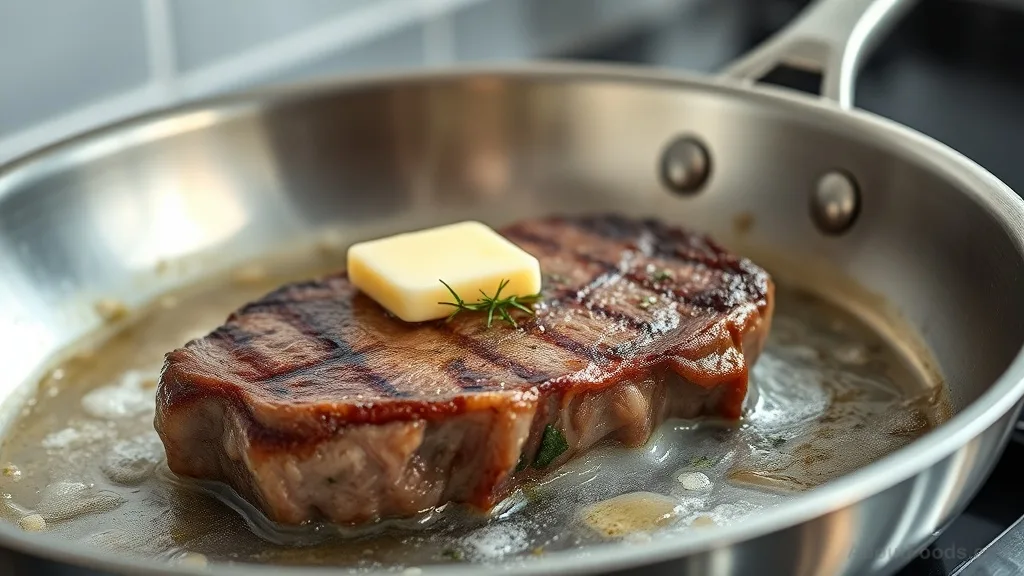
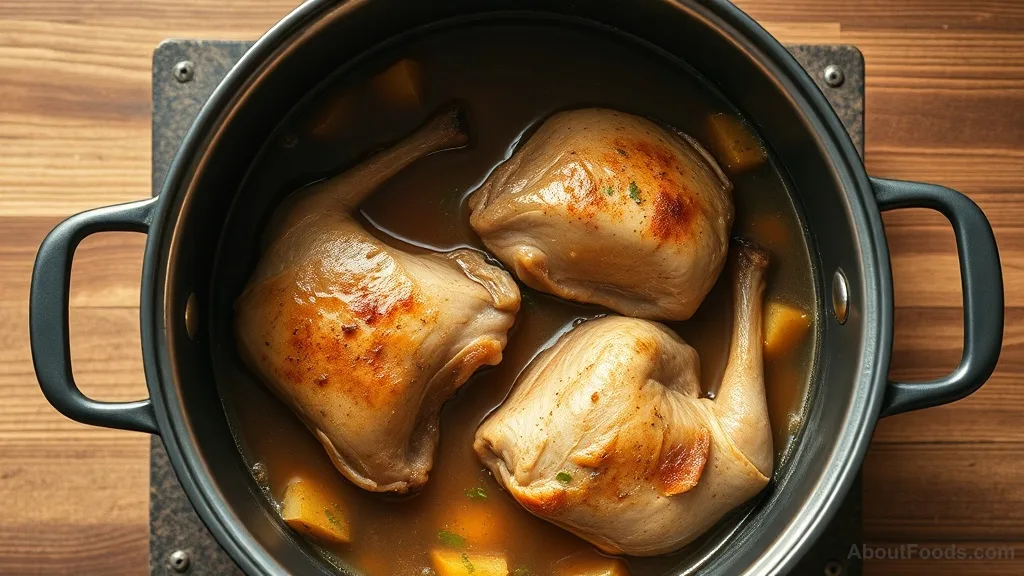
At the highest level, cooking methods fall into two categories: dry heat and moist heat. Dry heat methods—like roasting, grilling, and searing—rely on hot air or direct contact with a hot surface. They promote browning, which creates complex aromas and flavors. Moist heat methods—like braising, steaming, and poaching—use water, broth, or steam to cook food gently, often preserving or adding moisture and breaking down connective tissue. The choice between them dramatically alters the final dish.
For example, a chicken breast roasted at high heat develops a browned, crispy skin and a firmer texture, while the same breast poached in broth stays tender, pale, and moist. Neither is wrong; they simply serve different purposes.
| Technique | Heat Type | Flavor Outcome | Texture Outcome |
|---|---|---|---|
| Roasting | Dry | Concentrated, caramelized | Crisp exterior, tender interior |
| Braising | Moist | Rich, savory, complex | Fall-apart tender, moist |
| Grilling | Dry | Smoky, charred | Crusty surface, juicy inside |
| Poaching | Moist | Delicate, pure | Soft, moist, tender |
| Sautéing | Dry | Quick browning, fond | Crisp-tender, slight crust |
The Maillard Reaction: Where Flavor Is Born
When you apply high, dry heat to proteins and sugars, the Maillard reaction kicks in. This complex chemical process creates hundreds of flavor compounds that give browned foods their characteristic taste—think of the crust on a seared steak, the golden surface of a roasted chicken, or the toasty notes of toasted bread. The reaction starts around 285°F (140°C) and accelerates at higher temperatures.
To maximize Maillard browning, make sure the surface of the food is dry. Patting meat dry with paper towels before searing removes moisture that would otherwise steam the surface and prevent browning. Also, don't overcrowd the pan—too many ingredients release steam, lowering the temperature and turning a sear into a simmer.
- Dry the surface of meat or vegetables before applying heat.
- Use a heavy pan that retains heat (cast iron is ideal).
- Wait until the pan is hot before adding food.
- Leave space between pieces to avoid steaming.
- Be patient: let the crust form before flipping.
Caramelization: Sweetness from Heat
Caramelization is the browning of sugars, separate from the Maillard reaction. It happens when sugars are heated above 320°F (160°C), breaking down into smaller molecules that produce sweet, nutty, and slightly bitter notes. Caramelization is responsible for the deep flavor of roasted onions, the golden hue of baked goods, and the richness of caramel sauce.
Because caramelization requires high heat, it's often achieved through dry-heat methods like roasting, sautéing, or frying. Adding a pinch of salt or a drop of acid (like lemon juice) can help control the process and prevent burning.
Denaturation and Coagulation: Proteins Change Shape
Proteins are long chains of amino acids folded into specific shapes. When heat is applied, those shapes unwind—a process called denaturation. As they unfold, proteins bond with each other, forming a new network that traps water. This is coagulation. It's why an egg white turns from clear liquid to white solid, and why a piece of fish becomes opaque and firm.
The temperature at which proteins coagulate varies: egg whites firm up around 145°F (63°C), while meat proteins start to tighten around 120°F (49°C) and become fully set by 160°F (71°C). Overcooking forces too much water out, resulting in a dry, tough texture. Gentle, even heat preserves moisture and tenderness.
Collagen Breakdown: From Tough to Tender
Collagen is a connective tissue protein found in tougher cuts of meat, like beef chuck or pork shoulder. Under low, moist heat (around 160–200°F or 71–93°C), collagen breaks down into gelatin, a process that can take hours. Gelatin traps water and gives meat a silky, succulent texture. This is the magic of braising and slow-cooking: the meat becomes tender enough to fall apart.
To achieve this, use methods that keep the meat submerged in liquid or covered to retain steam. Don't let the temperature climb too high or the meat will become stringy rather than tender. A gentle simmer, not a boil, is key.
Emulsification: Building Creamy Sauces
An emulsion is a mixture of two liquids that normally don't combine, like oil and water. In cooking, emulsification creates creamy, cohesive textures in sauces like hollandaise, mayonnaise, and vinaigrettes. The trick is to break one liquid into tiny droplets and disperse them in the other, often with the help of an emulsifier—something that stabilizes the droplets, like egg yolk or mustard.
Temperature also plays a role. For a hollandaise, you need gentle heat to thicken the egg yolks without scrambling them. For a cold vinaigrette, vigorous whisking or blending creates a temporary emulsion that may separate over time.
Starch Gelatinization: Thickening Your Sauces
Starches from flour, cornstarch, or potatoes thicken liquids through gelatinization. When heated in the presence of water, starch granules swell and absorb liquid, eventually bursting and releasing starch molecules that form a network. This thickens sauces, gravies, and puddings. The process starts around 140°F (60°C) and is complete near boiling.
For a smooth, lump-free sauce, whisk the starch into a cold liquid first (a slurry) before adding it to the hot mixture. Avoid over-stirring once thickened, as that can break the gel and thin the sauce.
Frequently Asked Questions
Why does my steak get tough instead of tender?
Steak toughness is usually from overcooking, which squeezes out moisture and tightens proteins. Keep the internal temperature at medium-rare (130–135°F / 54–57°C) for the most tender result. Also, let the steak rest after cooking so juices redistribute.
Can I get browning without high heat?
True browning from the Maillard reaction requires temperatures above 285°F (140°C). Lower heat will not create the same deep flavor—it will simply dry out the food. Use a hot pan and pat the food dry for the best crust.
What's the best way to keep vegetables crisp?
Use high heat and quick cooking methods like stir-frying or roasting at 400°F (200°C) or higher. Avoid boiling, which leaches nutrients and softens texture. For salads, shock blanched vegetables in ice water to stop cooking.
Why do some sauces separate?
Sauces separate when the emulsion breaks due to sudden temperature changes, too much heat, or improper mixing. To fix a broken sauce, whisk a new egg yolk and slowly incorporate the broken sauce, or use a small amount of cold water and re-emulsify gently.
Is it true that salting meat before cooking makes it tough?
It depends. Salting too far in advance can draw out moisture, but if you salt at least 40 minutes before cooking (or overnight), the salt penetrates the meat and helps retain moisture, actually improving tenderness. For a quick sear, salt just before cooking.
Conclusion: Cooking with Confidence
Every kitchen technique is a tool for shaping flavor and texture. By understanding the science behind heat, moisture, browning, and protein behavior, you can make intentional choices that lead to better results. Whether you're searing a steak, braising a roast, or whisking a sauce, you now know what's happening beneath the surface. Cook with intention, and your food will taste it.
Rate this article
No ratings yet. Be the first to rate it.

Written by
Camila Morales
Specialises in Mexican cuisineCamila makes mole that takes three days. She says shortcuts are for the weak. Her abuela approves.
Describe yourself in three words: Patient, serious, deeply traditional.