Myth Busting
How Myth Busting Transforms Flavor, Texture, and Cooking Results
Many cooking myths persist because they sound logical, but science tells a different story. This article reveals how letting go of common misconceptions can dramatically improve your food's flavor, texture, and overall success in the kitchen.
Introduction: The Cost of Believing Myths
Have you ever been told to sear meat to seal in juices? That adding oil to pasta water keeps it from sticking? These bits of kitchen wisdom sound plausible, but science says otherwise. Believing these myths can hurt your cooking more than help. Let's take a closer look at some persistent tales and see how debunking them improves flavor, texture, and results.
Myth 1: Searing Meat for Better Texture
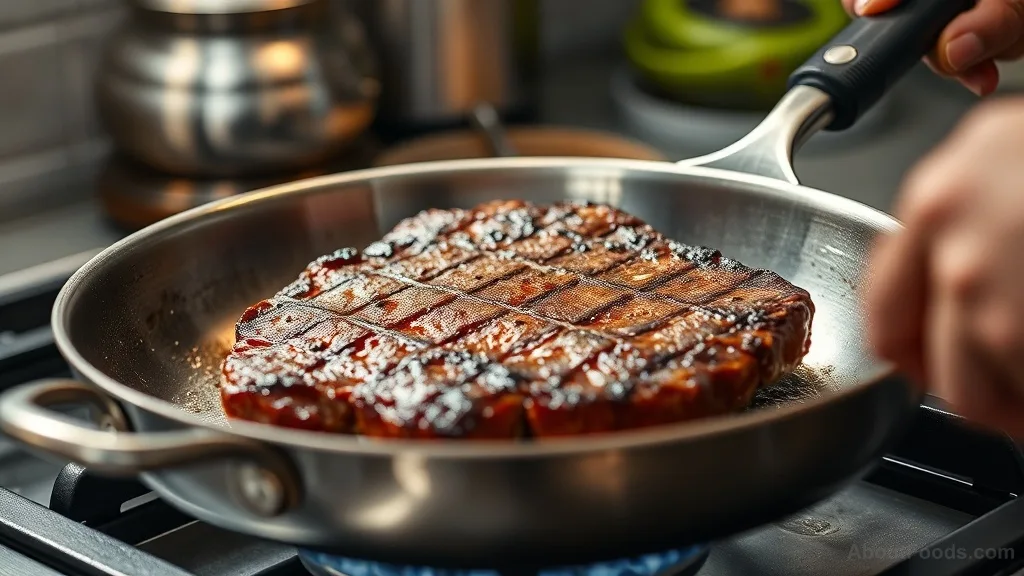
Many charred, browned steaks look and taste wonderful, but the idea that searing "seals in the juices" is false. When you sear meat, the high heat triggers the Maillard reaction and caramelization, creating layers of complex flavor. However, the crust formed does not lock moisture inside; in fact, it actively drives moisture out. The better texture comes from cooking the meat to the right internal temperature. A quick sear before roasting, or after sous vide, adds flavor but doesn't save a dry steak.
Myth 2: How Water Boils With Salt
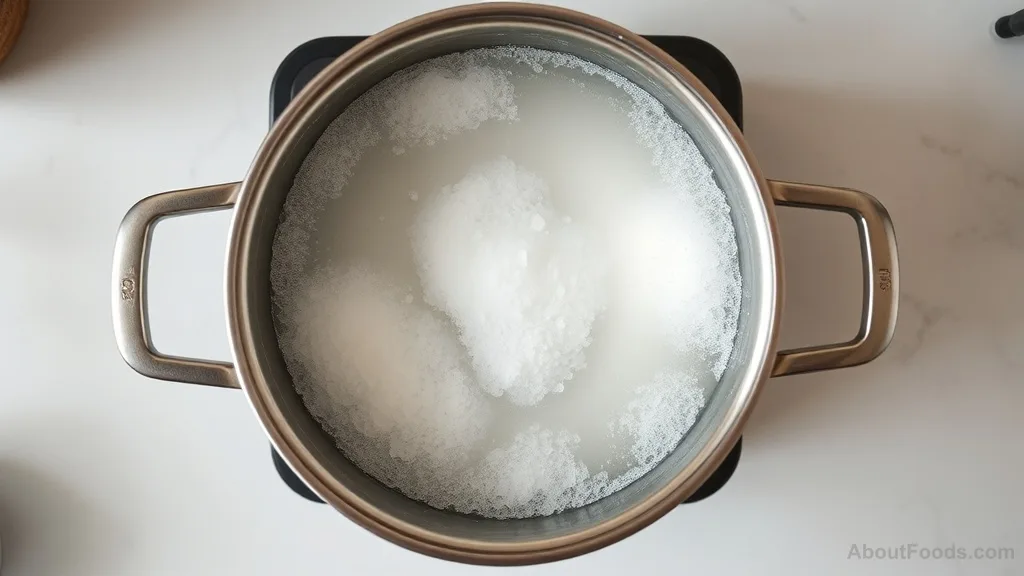
A pinch of salt is often said to make water boil faster. Actually, adding salt raises the boiling point slightly, so water with salt takes longer to heat to boiling—but the difference is negligible. A heavy teaspoon of salt per liter only increases the boiling point by about 0.2°C (0.36°F). The real reason to salt pasta water is to season the pasta from inside. Unsalted water yields bland pasta. When you add salt after, it only sits on the surface.
Myth 3: Oil in Pasta Water for Better Texture
Adding olive oil to pasta water supposedly prevents sticking. While it can form a temporary film, it also coats the pasta, making it harder for sauce to cling to it. The oil slips off the surface into the water once you drain, giving you greasy, poorly sauced pasta. The real trick is to use plenty of salted water (4–6 quarts per pound) and stir vigorously for the first minute. Agitation and starch release create a naturally non-stick environment without the oil.
Myth 4: Baking Soda Makes Everything Brown
You've probably heard that adding a pinch of baking soda to caramelize onions speeds up browning. Actually, baking soda is alkaline (high pH), which encourages the Maillard reaction at a lower temperature. That can be useful for foods like onions to achieve deep browning quickly—but it can also make them mushy. It can also wreck delicate items like scrambled eggs, turning them green and rubbery. Use it with caution: a tiny pinch per batch of onions, and skip it altogether for most other dishes.
Myth 5: Flipping Only Once for Better Texture
Flipping meat or pancakes exactly once is said to produce a more even crust and better texture—but this depends on intention. Frequent flipping (every 30 seconds) reduces cooking time and tends to cook food more evenly because of repeated heat contact. For thick items, flipping early and often prevents one side from drying out. For delicate foods like omelets or pancakes, too much flipping can tear them. The key is to flip when the edges start to cook, and don't worry about the one-flip rule.
Myth 6: Resting Meat to Save Juices
It's widely claimed that resting meat after cooking lets juices redistribute. Actually, juices are forced out by pressure from the pressurized meat fibers undergoing a rapid release of moisture during resting. The real reason to rest larger roasts (over 20 minutes) is to prevent the internal moisture from rapidly escaping when sliced. Smaller cuts like steaks need only 5–10 minutes. Over-resting can dry out meat faster than cutting too soon.
Practical Takeaways & Common Mistakes
- Don't sear solely for sealing—sear for flavor.
- Salt pasta water generously
- not to speed the boil but to season.
- Avoid adding oil to pasta water—anticipate sauce adherence.
- Use baking soda only for caramelizing onions if needed
- and sparingly.
- Flip often for even heating—save your pancakes from overscoring.
- Rest large roasts 15–20 minutes
FAQ
Does searing really lock in moisture?
No. Searing creates flavor via the Maillard reaction, but it actually drives moisture out of the meat. Proper doneness determines juiciness.
Is it true that salt makes water boil faster?
Salt raises the boiling point slightly, so it actually takes a tiny bit longer for salted water to boil—minutes negligible for home cooking. Salt is for seasoning, not speed.
Should I add oil to pasta water?
No. Oil can prevent sauce from sticking to pasta. Use plenty of stirring to prevent sticking instead.
Does baking soda speed up browning?
Yes, because it increases pH, encouraging the Maillard reaction at a lower temperature. But it can also wreck the texture of dish if you use too much.
Is fewer flips really better?
Not always. Frequent flipping gives you even doneness with short cooking times. For fragile foods like fish or pancakes, limit flips to 1 ideally.
Rate this article
No ratings yet. Be the first to rate it.

Written by
Thiri Tun
Specialises in Burmese cuisineThiri is a tea leaf salad master who ferments her own tea leaves in a clay pot. She will not tell you the recipe.
Describe yourself in three words: Mysterious, secretive, delicious.