Proteins And Structure
How Proteins and Their Structure Change Flavor, Texture, and Cooking Results
Proteins are the backbone of cooking, but their structure—and how it changes with heat, acid, or salt—determines whether your chicken is juicy or dry, eggs silky or rubbery, and cakes tender or tough. This article explains the science behind protein denaturation and coagulation, with practical tips to control texture and flavor in your kitchen.
What Are Proteins, and Why Should You Care?
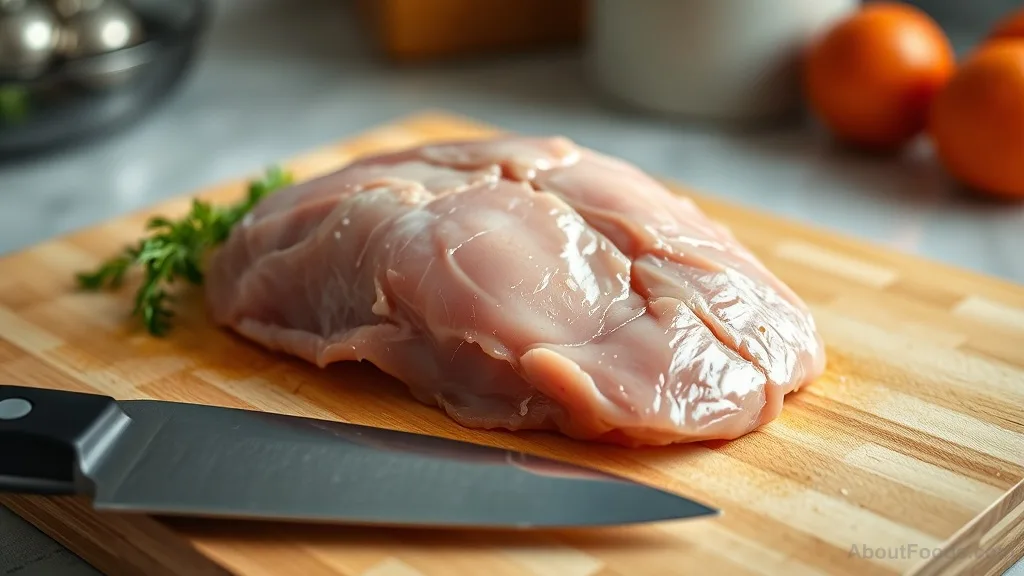
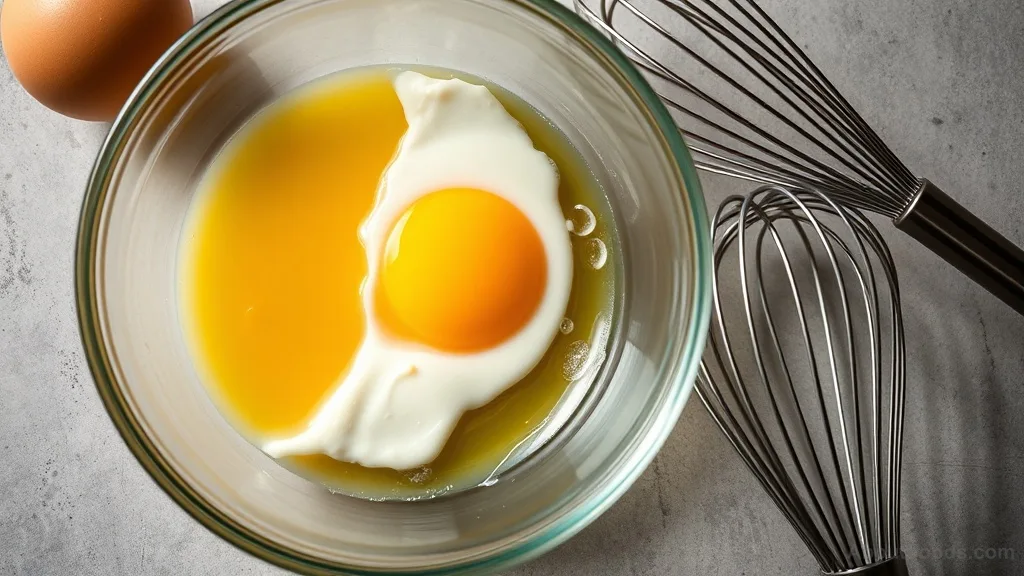
Proteins are large molecules made up of amino acids, folded into specific shapes. Think of them as origami: the way they’re folded determines their function. In cooking, we rely on proteins to give structure, hold moisture, and create texture. But here’s the thing—proteins are finicky. Heat, acid, salt, and even mechanical agitation can cause them to unfold (denature) and then stick together (coagulate). That’s why an egg turns from liquid to solid, or why a steak gets firm. Understanding this one process will make you a better cook, I promise.
Protein 101: Denaturation and Coagulation
Denaturation is when a protein loses its original folded shape. It’s like that origami paper getting crumpled. This can happen from heat, acid (like lemon juice or vinegar), or even from beating (like whipping egg whites). Once denatured, proteins can form new bonds with each other—that’s coagulation. Coagulation is what sets a custard, firms up a meringue, or makes meat contract. The key is that denaturation is often reversible, but coagulation is usually not. So once your steak is overdone, there’s no going back.
| Process | What Happens | Example |
|---|---|---|
| Denaturation | Protein unfolds | Adding lemon juice to milk (curdling) |
| Coagulation | Unfolded proteins bond together | Egg white turning white and solid when cooked |
How Heat Changes Meat: The Battle for Juiciness
Meat is mostly water held in a network of protein fibers. When you heat it, those proteins—mainly collagen and myosin—denature and contract, squeezing out moisture. At around 40°C (104°F) for fish or 50°C (122°F) for beef, proteins start to denature. Between 60-70°C (140-158°F), they coagulate and tighten. That’s why a medium-rare steak (around 52°C / 126°F) is juicier than a well-done one (above 71°C / 160°F). Collagen, found in tough cuts, takes longer to break down—at around 71°C (160°F) it turns into gelatin, which adds richness and tenderness. But if you go too high, you get dry, stringy meat. Don’t do that to your guests.
- Use a thermometer to avoid guesswork.
- Rest meat after cooking to let juices redistribute.
- Marinate with acid (like citrus) to gently denature surface proteins for tenderness.
Eggs: The Ultimate Protein Demonstration
Eggs are mostly water and protein, making them perfect for seeing protein behavior. Egg whites contain ovalbumin, which starts to denature at 62°C (144°F) and coagulates at around 70°C (158°F). Yolks thicken at a slightly lower temperature. So if you want a silky scrambled egg, cook it slowly over low heat (around 65°C / 149°F). If you’re impatient and use high heat, you’ll get tough, rubbery curds. For a perfect poached egg, keep the water at a sub-simmer (around 80°C / 176°F) and add a splash of vinegar to help the white coagulate faster. And don't forget: over-beaten egg whites can over-coagulate and collapse. Treat them gently.
| Cooking Style | Temperature | Texture Result |
|---|---|---|
| Soft scrambled | ~65°C (149°F) | Creamy, curds stay small |
| Hard boiled | 100°C (212°F) for 10 min | Firm, dry yolk |
| Poached (vinegar added) | ~80°C (176°F) | Tender white, runny yolk |
Baking: When Protein Structure Really Matters
In baking, proteins give structure. Flour contains glutenin and gliadin, which when mixed with water form gluten—a network that traps gas and gives bread its chew. Overmixing develops too much gluten, making bread tough, while undermixing results in a weak structure. Similarly, egg proteins provide structure in cakes and custards. If you overbake a cheesecake, the proteins over-coagulate and crack. The trick is knowing your temperature and time: bake delicate custards low and slow (around 150°C / 300°F) in a water bath to even out heat.
Using Acid and Salt to Control Protein Texture
Acids like lemon juice or vinegar can denature proteins without heat. This is what happens when you marinate ceviche—the fish ‘cooks’ in citrus. But be careful: left too long, the acid will over-toughen the proteins, making the fish chalky. Salt also affects proteins, but it can help dissolve some proteins (like myosin) and tenderize meat by breaking down muscle fibers. A dry brine (salting meat a few hours before cooking) can improve moisture retention. But too much salt can also cause proteins to tighten, so moderation is key.
- For tender meat
- salt ahead (1 tsp per pound)
- rest in fridge uncovered for a few hours.
- Acidic marinades: no more than 30 minutes for fish
- 2 hours for chicken.
- Add vinegar to poaching water for eggs (1 tbsp per quart) for neater whites.
Common Protein Mistakes and How to Avoid Them
I see these all the time! Overcooking meat, scrambling eggs on high heat, overbeating batter... Here's a cheat sheet to save you.
Frequently Asked Questions
Can you reverse protein denaturation?
Denaturation itself is sometimes reversible (like gently heating an enzyme), but once proteins coagulate, they’re permanently changed. So no, you can’t uncook an egg.
Does freezing affect protein structure?
Yes, freezing can cause water crystals to puncture cell walls, leading to moisture loss upon thawing. This denatures some proteins and can make meat tougher. Quick freezing minimizes damage.
Why does milk curdle when I add lemon juice?
The acid denatures casein proteins, causing them to coagulate into curds. This is intentional in cheese-making, but not so nice in your tea.
The Takeaway: Respect the Protein
Proteins are not magical—they follow rules. Denaturation and coagulation happen whether you want them to or not. But if you understand what temperature, time, and ingredients do to protein structure, you can work with them instead of against them. So use a thermometer, go easy on the heat, and don’t stress too much. A little anxiety is fine—just keep it in the kitchen, not on the plate.
Rate this article
No ratings yet. Be the first to rate it.
Written by
Mei Wu
Specialises in Chinese cuisineMei is a cautious perfectionist who makes delicate soup dumplings and has no patience for ruined brownies.
Describe yourself in three words: Anxious, caring, slightly exasperated.