Browning Reactions
How to Use Browning Reactions to Improve Taste and Texture: A Home Cook's Guide
Browning reactions like Maillard and caramelization are the key to deep flavor and satisfying texture in your cooking. Learn how to master heat, timing, and technique for better roasts, sears, and bakes.
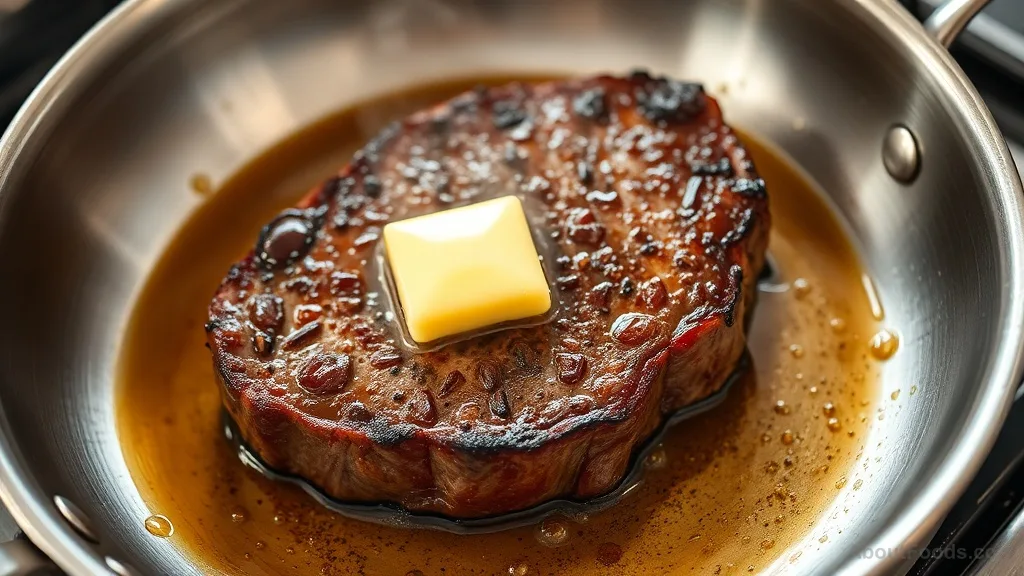
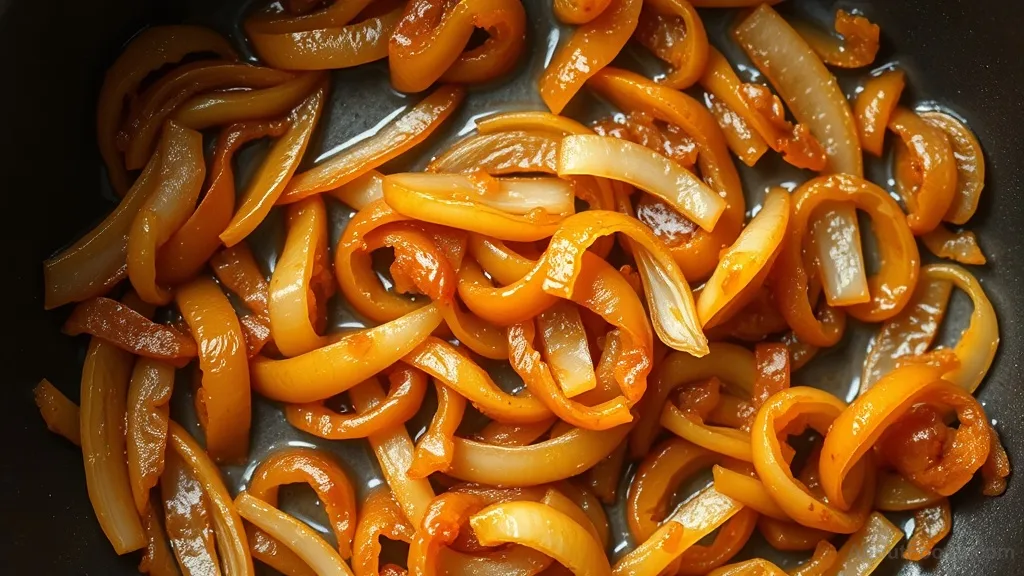
What Are Browning Reactions?
Browning reactions are chemical processes that transform the color, flavor, and texture of food when heated. The two main types are the Maillard reaction and caramelization. Both are your ticket to that craveable golden crust on bread, the rich flavor of seared steak, and the sweet depth of caramelized onions. Let's break down when each one kicks in, what they taste like, and—most importantly—how to control them.
Maillard: The Flavor Powerhouse
The Maillard reaction happens between amino acids and reducing sugars when food is heated above 285°F (140°C). It produces hundreds of flavor compounds responsible for savory, meaty, nutty notes—think of the crust on a steak or the golden brown of toast. Maillard requires low moisture on the surface of the food. Pattedry your meat and don't crowd the pan, or else you'll steam instead of sear. High heat is essential: use a preheated pan and a high-smoke-point oil like avocado or grapeseed.
Caramelization: Sweet and Complex
Caramelization is the breakdown of sugars alone, occurring at temperatures above 320°F (160°C). It's behind the nutty, slightly bitter sweetness of caramel sauce, roasted carrots, and browning sugar on crème brûlée. Unlike Maillard, caramelization doesn't involve proteins, so it's ideal for vegetables and desserts. Watch the color change from pale yellow to deep amber—don't go beyond mahogany or it turns bitter. A pinch of acid (lemon juice or vinegar) can stop cooking and bring balance.
How to Apply Both for Better Texture and Taste
For meat: pat dry, salt ahead to draw out moisture (which then evaporates), then get the pan ripping hot. For vegetables: cut uniform pieces to ensure even browning; toss in oil and spread in a single layer. For baked goods: milk or egg wash promotes browning due to the sugars and proteins. Use cast iron or stainless steel for better heat retention and even browning. Nonstick pans can limit how much browning you get. Practice the ‘leave it alone’ rule: don't flip or stir too often—let the crust form.
Common Mistakes
Too low heat means slow cooking that produces steam and grey food, not browning. Too high heat can burn before browning happens internally. Using wet food creates steam that inhibits both Maillard and caramelization. Also, adding baking soda (to speed browning) can ruin texture if overdone. Learn the moderate to high heat sweet spot—around medium-high for stovetop, or appropriate oven temps.
Frequently Asked Questions
Rate this article
No ratings yet. Be the first to rate it.

Written by
Arjun Trivedi
Specialises in Indian cuisineArjun is a chaat wallah who makes pani puri so good people cry.
Describe yourself in three words: Fun, fast, tamarind energy.