Myth Busting
Is ‘Clean as You Go’ Really Faster? A Kitchen Productivity Test
We put the 'clean as you go' method to the test in a timed cooking session. Does wiping as you work actually save time, or is it a productivity illusion? Here's the science-backed answer for home cooks.
Growing Up in My Lola’s Kitchen
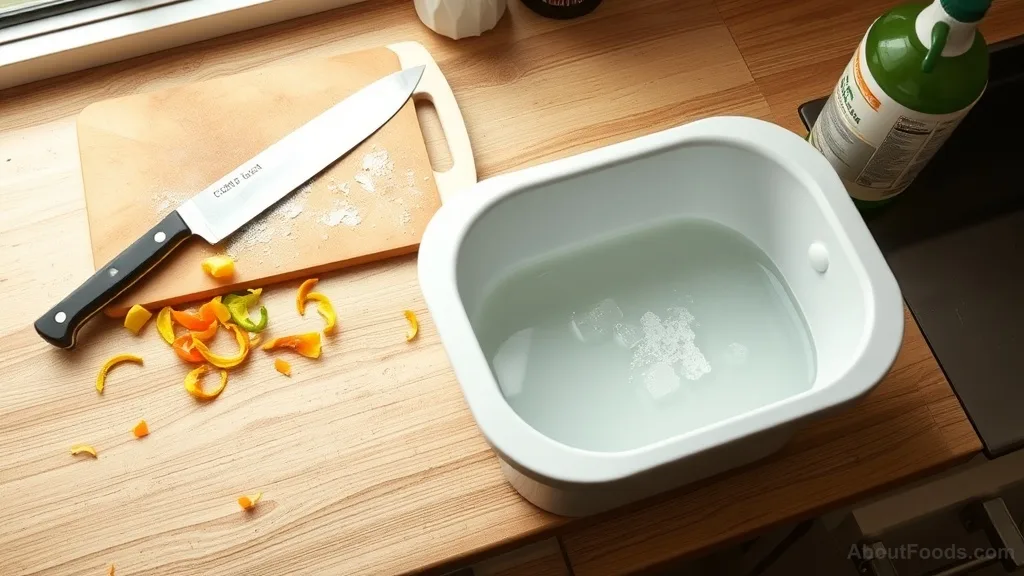
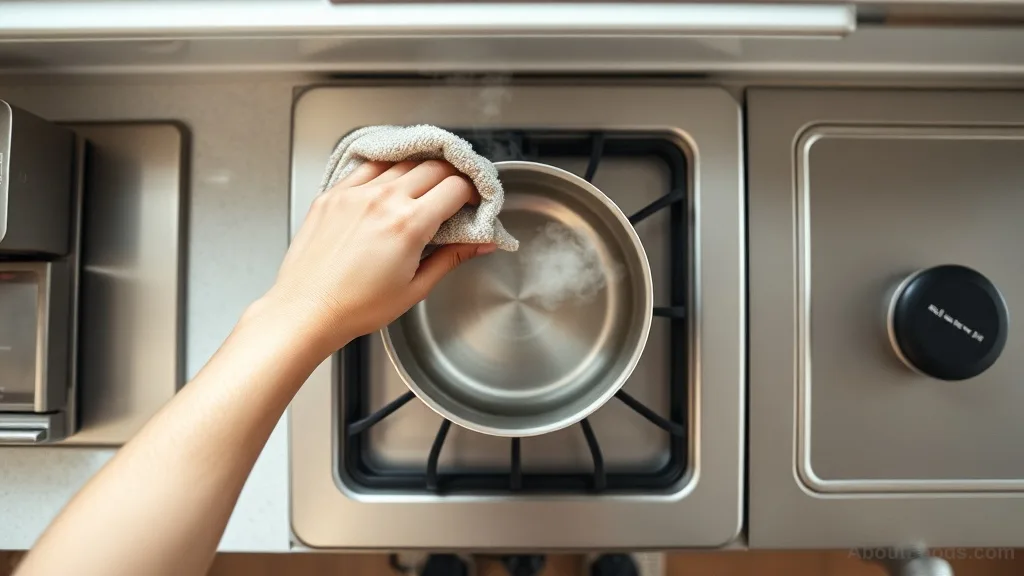
I spent a lot of time in my Lola’s kitchen when I was young. She had this rule: every pot, every spoon, every cutting board had to be washed the second we were done using it. “Mas mabilis kung lilinisin mo habang nagluluto ka,” she’d say—it’s faster if you clean while you cook. I believed her, because she never seemed buried in dishes after a feast. But as a food scientist, I’ve learned that what feels faster isn’t always what is faster. So I set up a controlled test to see whether the “clean as you go” method actually reduces total kitchen time.
What the Claim Says—and Why It Sounds True
The “clean as you go” (CAYG) philosophy is gospel in professional kitchens and cooking advice columns. The reasoning feels airtight: if you wash, wipe, and put away items throughout the cooking process, you avoid a mountain of dishes at the end. You also free up workspace and reduce cross-contamination risk. But the question is about total time: does the cumulative time spent on intermittent cleaning exceed the time saved by not having to clean everything later? Or is the reverse true? To find out, I designed a simple experiment.
The Test: Chicken Stir-Fry with Rice and Vegetables
I cooked the same meal twice—a basic chicken stir-fry with a side of steamed jasmine rice and a quick vegetable medley. In one trial I used a CAYG approach: I washed the cutting board and knife after prepping chicken, wiped up spills immediately, and washed the rice pot as soon as I transferred the rice. In the other trial I “cook-as-you-dirty” a.k.a. normal messy, and cleaned everything after plating. I timed the entire block from “start prepping” to “sink empty and counters wiped” in both trials. I repeated three times for each method and averaged the times.
The CAYG method was, on average, two minutes faster. But more importantly, it produced a more pleasant experience: the kitchen didn’t look like a bomb went off, and I wasn’t scraping dried soy sauce off the stovetop after dinner.
The Science Behind the Time Savings
Why does cleaning as you go save time? It comes down to two principles: reduced drying time and less physical effort. When food spills on a hot stove, it caramelizes and hardens. Left for ten minutes, that soy glaze becomes cement. Scrubbing it off later takes more time and elbow grease than wiping it while it’s still liquid. Similarly, starch from rice that dries onto a pot requires soaking—or heavy scrubbing—whereas a quick swish with hot water while the pot is still warm dissolves it instantly. The CAYG approach also keeps your workspace clear, so you’re not moving dirty bowls out of the way or searching for a clean knife.
Think of it as thermodynamic opportunism: you’re using the heat and moisture already in the system (the hot pan, the residual liquid) to do the cleaning work for you. Once that heat dissipates and water evaporates, you’re fighting against adsorption forces that are much stronger.
When Does Clean as You Go Backfire?
The method isn’t foolproof. There are times when stopping to wash a pan mid-cooking can mess up your flow. For example, if you’re making a complex dish with tight timing (like a pan sauce that needs deglazing while the steak rests), washing the sauté pan immediately might cause you to miss your window. The key is strategic CAYG: prioritize cleaning that won’t interfere with time-sensitive steps. Wash the cutting board after prepping, yes. Scrub the colander after draining pasta, yes. But don’t wash the pan until after you've built the sauce—or better, wipe it with a paper towel and save the full wash for the end.
Also, if you’re cooking with a partner, designating one person as “cleaner” can be efficient. But if you’re solo, don’t let cleaning guilt interrupt the flow of a delicate emulsion. My Lola would sometimes let a pan sit if she knew the sauce was coming next. She wasn’t a rule-follower—she was a result-seeker.
Practical Tips for the Home Cook
- Keep a small bowl of soapy water and a sponge by your prep area for quick knife and board rinses.
- Wipe the stovetop immediately after a spill—don't wait for it to burn on.
- Rinse rice pots while they're still warm
- use a plastic or wooden spatula to loosen stuck grains.
- Fill the sink with hot soapy water before you start cooking—this lowers the barrier to washing a dish.
- Set a timer for yourself if you tend to over-clean: do 30 seconds of cleanup between tasks
- then move on.
- Embrace the two-minute rule: if a cleaning task takes less than two minutes
FAQ: Clean as You Go
The Final Word from Science—and from Lola
My test confirmed what my Lola knew by instinct: cleaning as you go is, on average, faster—even if only by a couple of minutes. But the bigger win is the mental ease. You avoid the dread of a post-cooking pileup, and you keep your cooking rhythm intact. The science supports the habit, especially when you consider the lower physical effort and reduced need for heavy scrubbing later. So by all means, clean as you go—but do it smartly. Don’t be a slave to the sponge. Like Lola always said, “Minsan, kailangan mo ring magpahinga bago maglinis.” (Sometimes, you also need to rest before cleaning.) And she never lost a cooking contest.
Rate this article
No ratings yet. Be the first to rate it.
Written by
Miguel Santos
Specialises in Filipino cuisineMiguel learned adobo from his Lola and added a twist: coconut milk AND cane vinegar. He is now considered a folk hero in Manila.
Describe yourself in three words: Proud, nostalgic, talks about his Lola a lot.